BEST OFRui’an
Zhejiang, China
The best places to eat, drink, shop and explore, chosen by real people like you.
Community in Rui’an
Ask the people who know Rui’an, and join what everyone is talking about.
Audience:
In Rui’an
Global
All of CommunitiesWhat people everywhere are asking, sharing and debating.
Food & DrinkFindAlfred2m ago
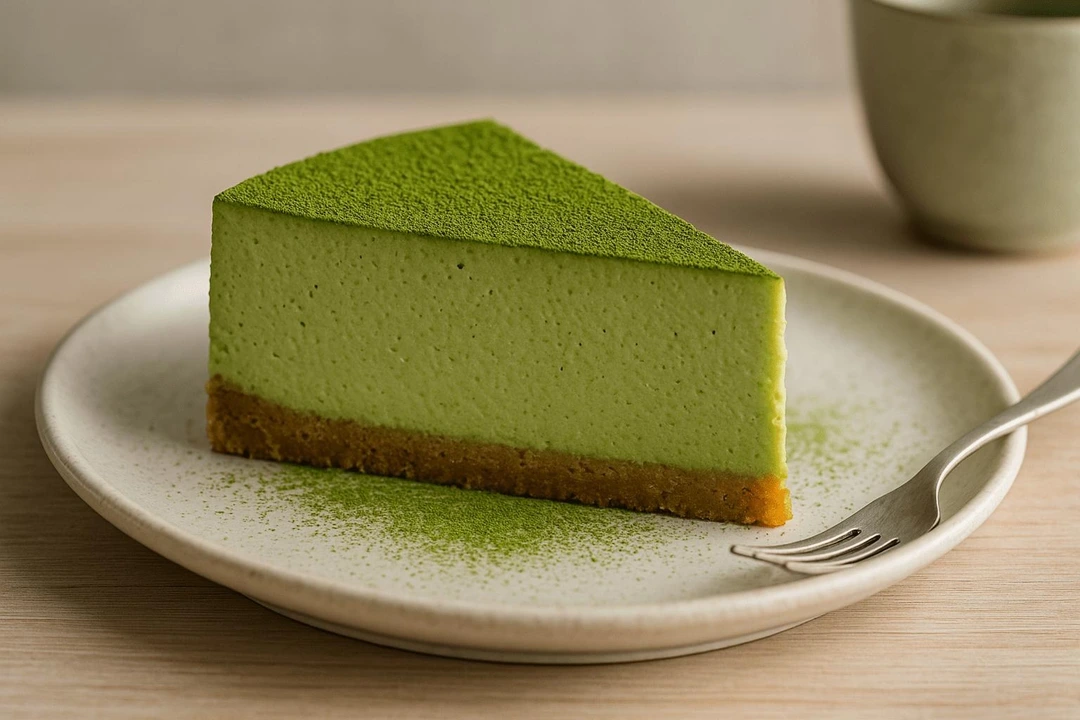
Matcha Is Expanding Beyond the Coffee CupMatcha has become one of the most recognisable drinks in modern café culture. But its popularity is now spreading far beyond traditional tea preparation. The finely ground Japanese green tea powder is appearing in cheesecakes, croissants, ice cream, chocolate, breakfast bowls and other desserts. Its distinctive green colour makes it visually appealing, while its earthy flavour creates an interesting contrast with sweet ingredients. According to Waitrose’s 2026 Food and Drink Report, sales of matcha and oat-blended drinks increased by 187% over the year in its business. Searches for matcha cheesecake on its website also increased by 167%. These figures reflect one retailer’s market rather than the entire global industry, but they illustrate the growing interest in matcha-inspired products. Matcha’s popularity also has a cultural dimension. Traditionally prepared in Japan through a carefully considered tea ritual, it has become part of an international café lifestyle that often combines Japanese ingredients with Western desserts and contemporary drinks. The modern matcha trend shows how a traditional product can travel across borders and find entirely new audiences.
Travel & PlacesFindAlfred2m ago
Matcha Is Expanding Beyond the Coffee CupMatcha has become one of the most recognisable drinks in modern café culture. But its popularity is now spreading far beyond traditional tea preparation. The finely ground Japanese green tea powder is appearing in cheesecakes, croissants, ice cream, chocolate, breakfast bowls and other desserts. Its distinctive green colour makes it visually appealing, while its earthy flavour creates an interesting contrast with sweet ingredients. According to Waitrose’s 2026 Food and Drink Report, sales of matcha and oat-blended drinks increased by 187% over the year in its business. Searches for matcha cheesecake on its website also increased by 167%. These figures reflect one retailer’s market rather than the entire global industry, but they illustrate the growing interest in matcha-inspired products. Matcha’s popularity also has a cultural dimension. Traditionally prepared in Japan through a carefully considered tea ritual, it has become part of an international café lifestyle that often combines Japanese ingredients with Western desserts and contemporary drinks. The modern matcha trend shows how a traditional product can travel across borders and find entirely new audiences.
Food & DrinkFindAlfred3m ago
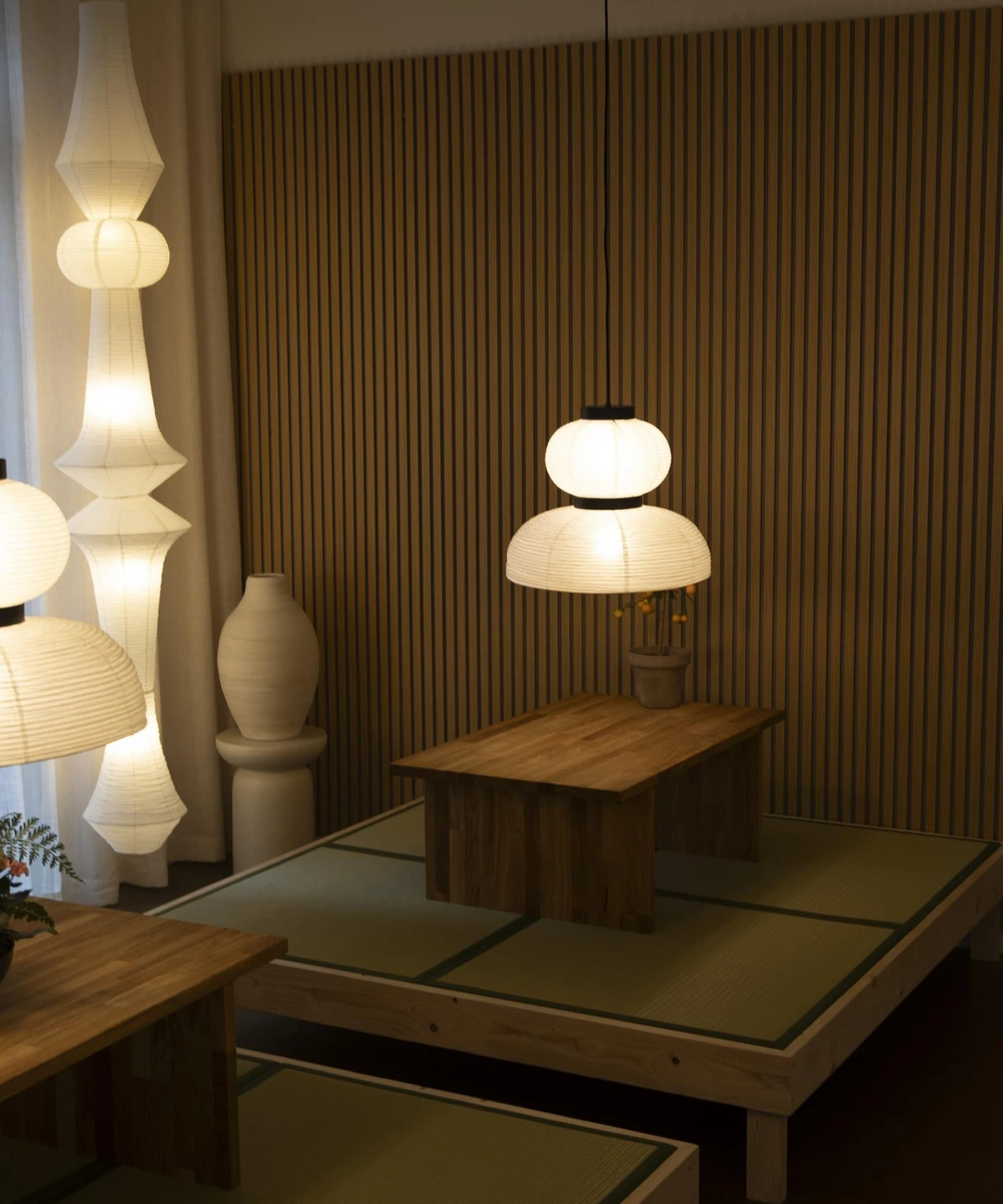
Third-Culture Cafés Are Changing Coffee CultureA new type of café is bringing different cultures together, creating spaces where the food, drinks and atmosphere are influenced by more than one culinary tradition. Known as third-culture cafés, these businesses often combine the flavours and design influences of different backgrounds. A café might serve Japanese matcha alongside French pastries, Filipino desserts with specialty coffee, or Southeast Asian flavours inside a Scandinavian-inspired interior. The trend reflects a generation of diners who are increasingly comfortable exploring different food traditions. Rather than choosing between familiar local flavours and international café culture, customers can experience both in one place. The concept has also become part of a broader food movement. A November 2026 review of Australian dining trends identified third-culture cafés as one of the notable developments of the year, alongside growing interest in more sophisticated Mexican and Sri Lankan cuisines. These cafés are more than attractive places to take pictures. They reflect migration, cultural exchange and the way younger generations create their own identities through food. A cup of coffee can now come with flavours and stories from several different parts of the world.
Food & DrinkFindAlfred3m ago
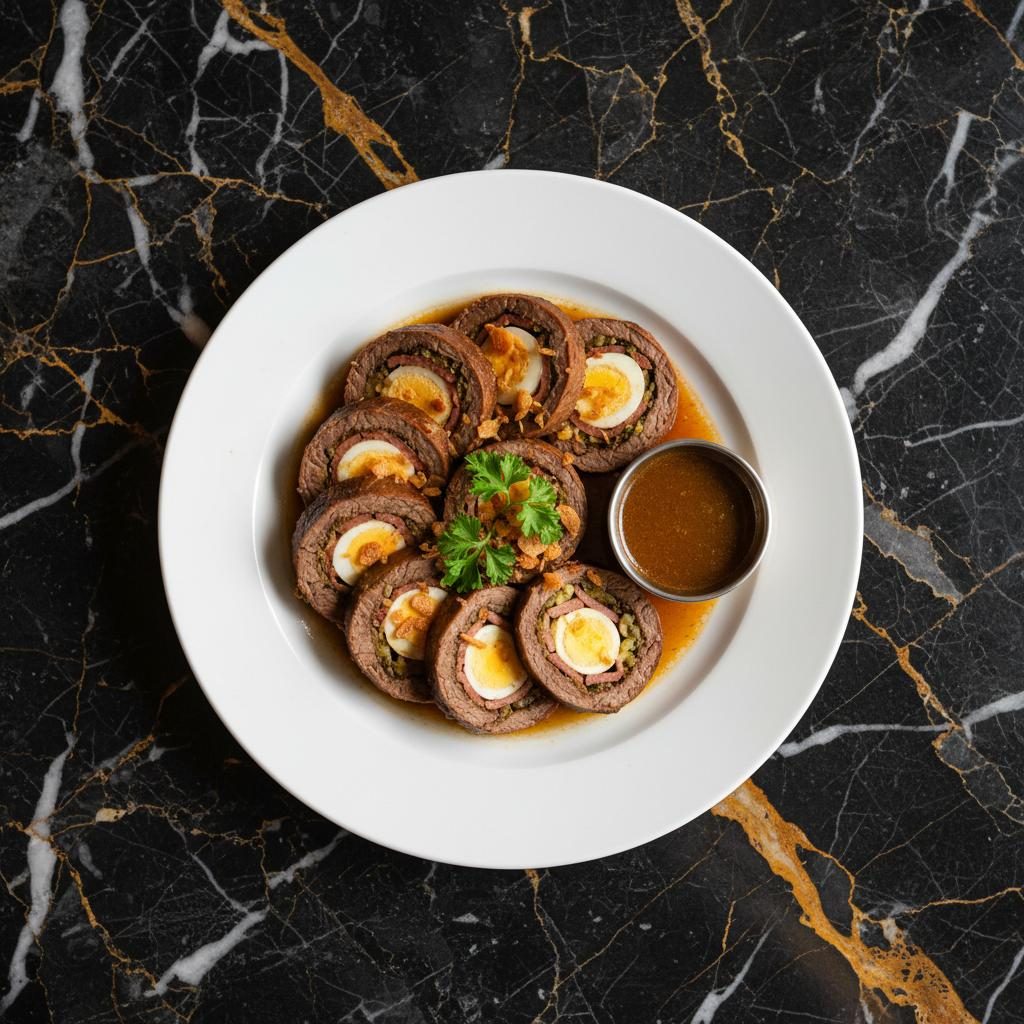
Traditional Filipino Dishes Are Getting a Modern MakeoverFilipino food is finding new ways to introduce traditional flavours to younger generations, and some chefs are doing it without losing the dishes’ cultural identity. Across the Philippines, restaurants are experimenting with familiar recipes by changing their presentation, combining them with international cooking techniques and introducing them in unexpected formats. A recent Future Menus 2026 event in Manila highlighted this movement through dishes such as beef pares served inside a bao bun, traditional beef morcon presented as a contemporary restaurant dish, and elevated versions of halo-halo and mais con yelo. The appeal comes from the balance between familiarity and surprise. A person might recognise the taste of a childhood favourite but experience it in a completely different way. Traditional ingredients become part of modern dining without necessarily losing their original character. This movement is also helping lesser-known regional recipes gain attention. Instead of focusing only on internationally recognised dishes such as adobo and sinigang, chefs have opportunities to introduce local specialities and family recipes to wider audiences. The future of Filipino cuisine may not be about replacing traditional food with something modern. It could be about making sure traditional flavours continue to evolve and remain relevant.
Worth BuyingFindJulie9m ago
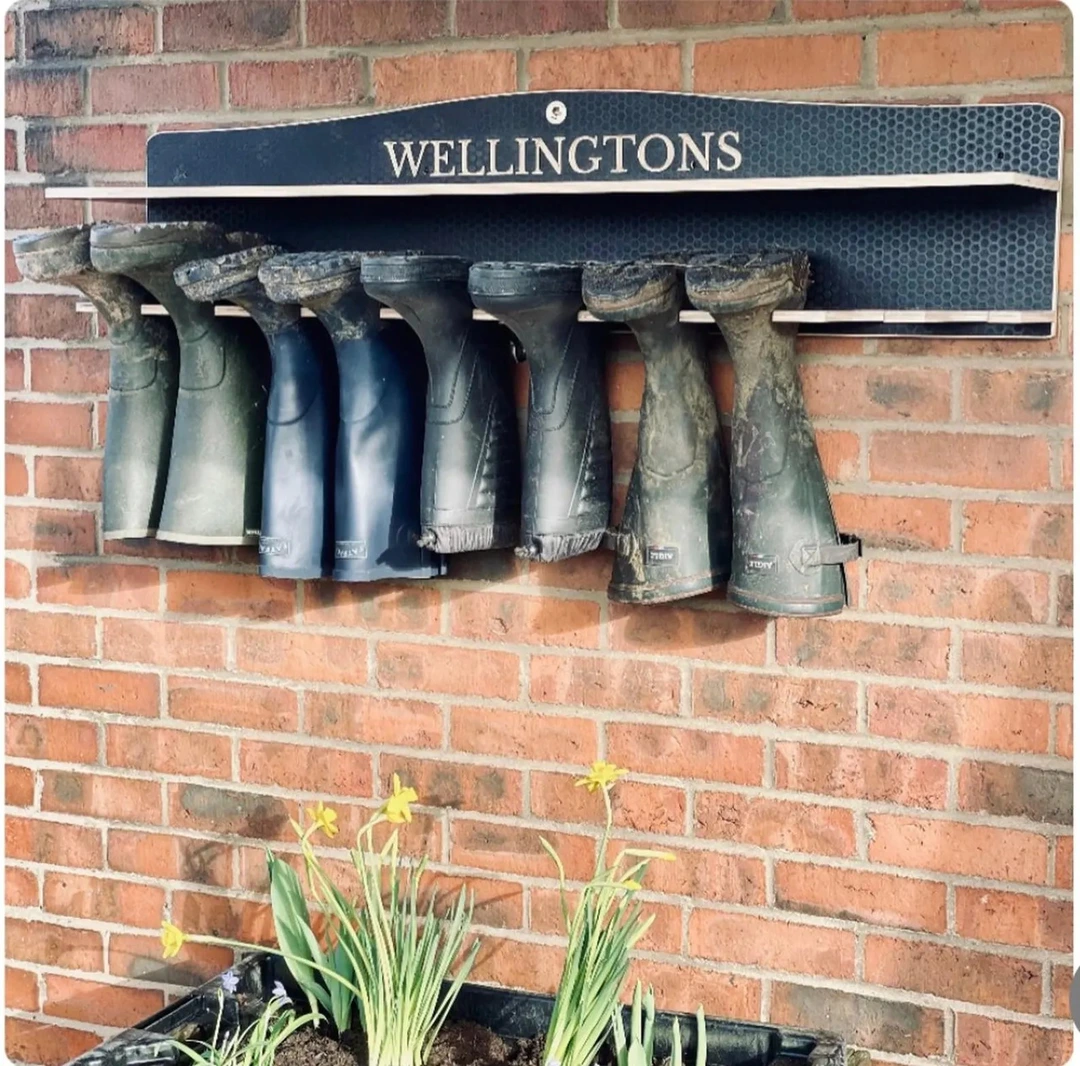
Personalised Welly Boot RackBoot rack, Welly Boot Rack, Welly Rack, Wellington Boot Rack, Wall Mounted Boot Rack, personalised Engraved welly rack, Outdoor Boot store

PetsFindJulie14m ago
Wearable Hooded BlanketWearable Hooded Blanket Soft Cute Warm Fluffy Sloth Penguin Cat Highland Cow Capybara Shark Hooded Blanket 59 * 51 inch