BEST OFFlacq
Mauritius
The best places to eat, drink, shop and explore, chosen by real people like you.
Community in Flacq
Ask the people who know Flacq, and join what everyone is talking about.
Audience:
In Flacq
Global
All of CommunitiesWhat people everywhere are asking, sharing and debating.
Travel & PlacesFindalexaraneta7m ago
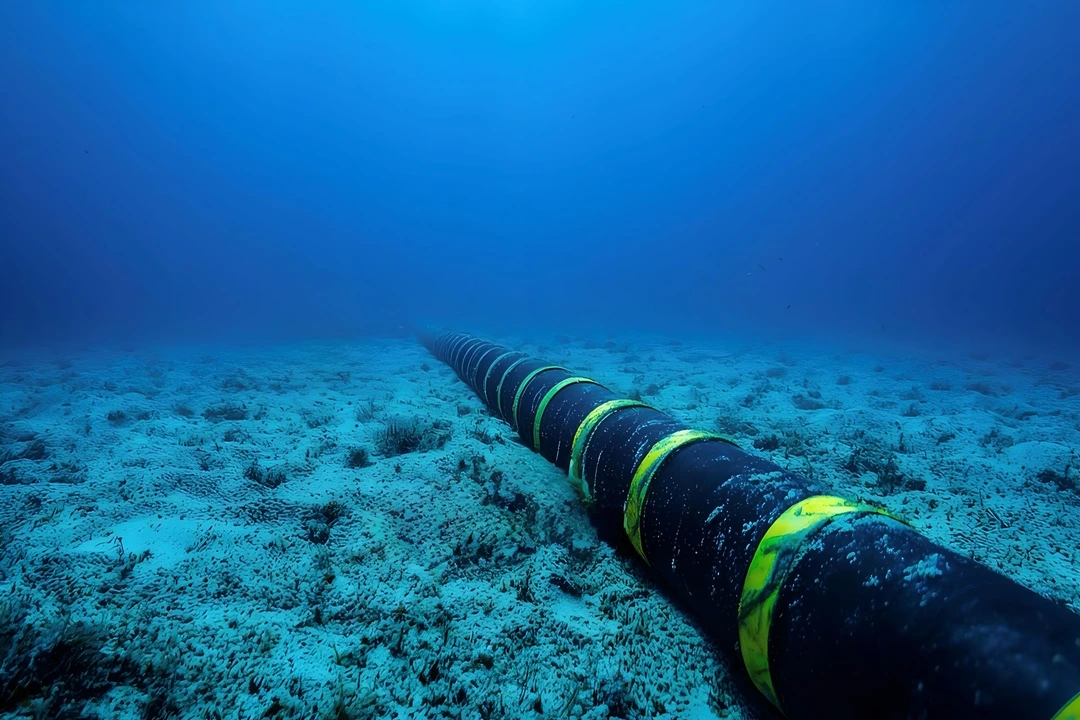
The Hidden Internet Highway Beneath Our OceansDid you know that much of the world’s internet traffic travels through cables hidden deep beneath the ocean? These submarine fiber-optic cables stretch across thousands of kilometers, connecting countries and continents. Using pulses of light, they transmit enormous amounts of data, allowing us to browse websites, send messages, make video calls, and communicate across the globe in seconds. While we enjoy Wi-Fi and mobile internet every day, an incredible network of cables quietly works beneath the sea! The internet is much deeper than we think.
Tech & AIFindalexaraneta7m ago
The Hidden Internet Highway Beneath Our OceansDid you know that much of the world’s internet traffic travels through cables hidden deep beneath the ocean? These submarine fiber-optic cables stretch across thousands of kilometers, connecting countries and continents. Using pulses of light, they transmit enormous amounts of data, allowing us to browse websites, send messages, make video calls, and communicate across the globe in seconds. While we enjoy Wi-Fi and mobile internet every day, an incredible network of cables quietly works beneath the sea! The internet is much deeper than we think.
Food & DrinkQuestionRein20m ago
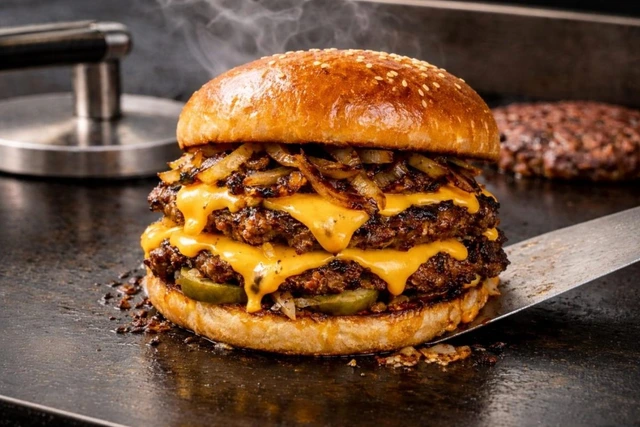
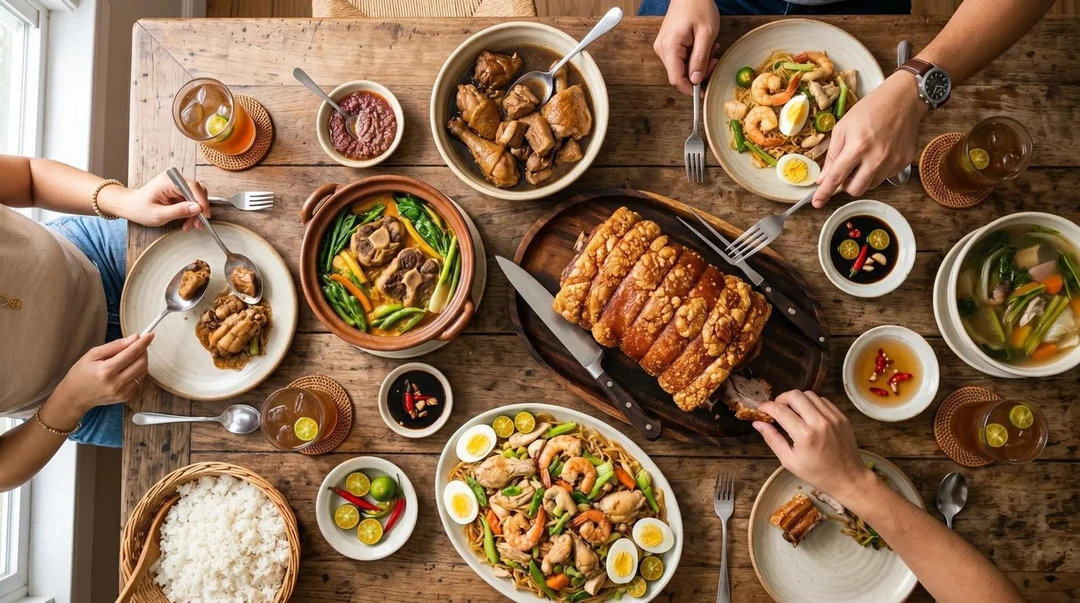
Do You Really Need to Finish Everything on Your Plate?“Don’t waste food. There are people who don’t have anything to eat.” Most of us have heard this growing up. But does that mean we should always force ourselves to finish everything on our plates, even when we’re already full? Some people believe leaving food is wasteful. Others say listening to your body is more important than finishing every last bite. Which side are you on? A. Always finish your food. Wasting food is unacceptable. B. Stop eating when you’re full. Don’t force yourself. C. Serve smaller portions and get more if needed. D. Save leftovers for later. There’s no reason to waste them! Do you think the clean-plate rule teaches discipline, or encourages unhealthy eating habits? Let’s debate this one!
Travel & PlacesFindalexaraneta20m ago
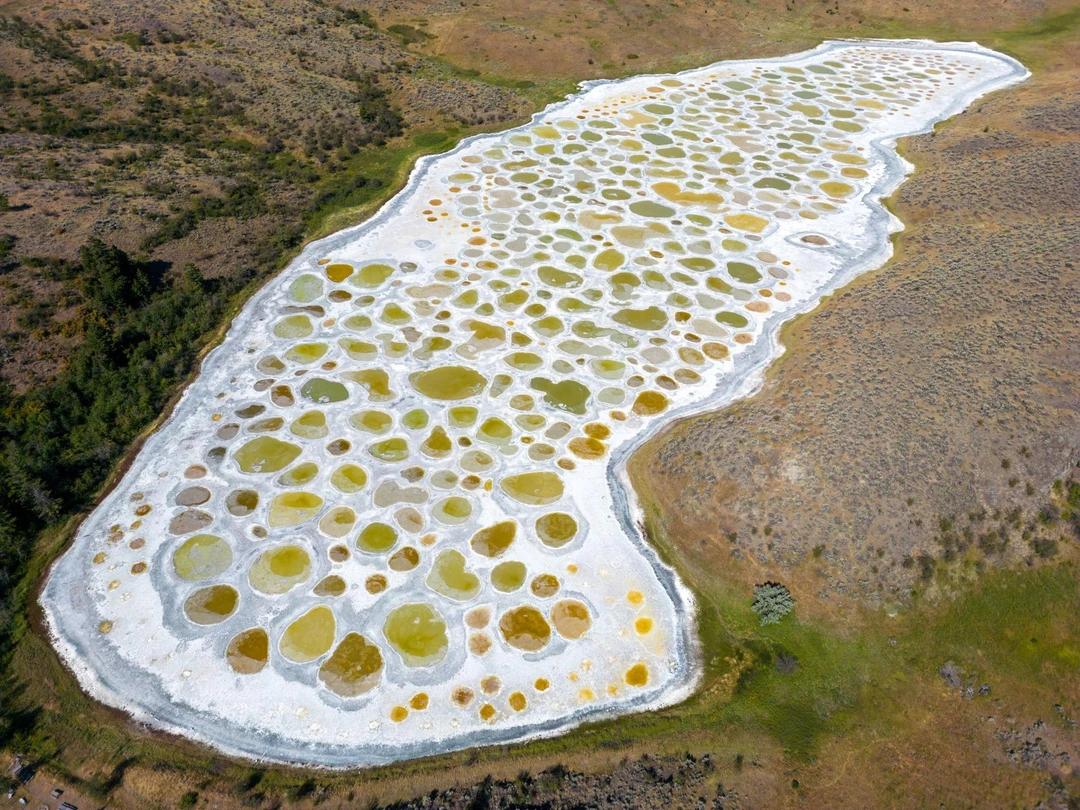
The Mysterious Spotted Lake: A Natural Wonder in CanadaDiscover the fascinating beauty of Spotted Lake in British Columbia, Canada! This extraordinary natural wonder features hundreds of colorful mineral-rich pools that create a stunning spotted pattern across the landscape. During the summer, as the water evaporates, the unique mineral formations become even more visible. Nature never stops surprising us!
Home & DIYQuestionRein20m ago
Do You Really Need to Finish Everything on Your Plate?“Don’t waste food. There are people who don’t have anything to eat.” Most of us have heard this growing up. But does that mean we should always force ourselves to finish everything on our plates, even when we’re already full? Some people believe leaving food is wasteful. Others say listening to your body is more important than finishing every last bite. Which side are you on? A. Always finish your food. Wasting food is unacceptable. B. Stop eating when you’re full. Don’t force yourself. C. Serve smaller portions and get more if needed. D. Save leftovers for later. There’s no reason to waste them! Do you think the clean-plate rule teaches discipline, or encourages unhealthy eating habits? Let’s debate this one!
Home & DIYQuestionRein21m ago
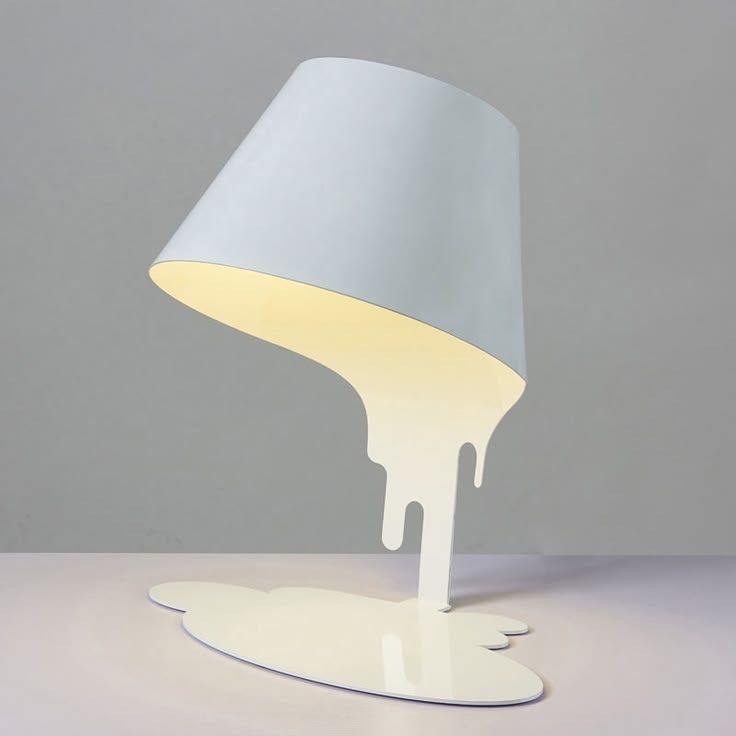
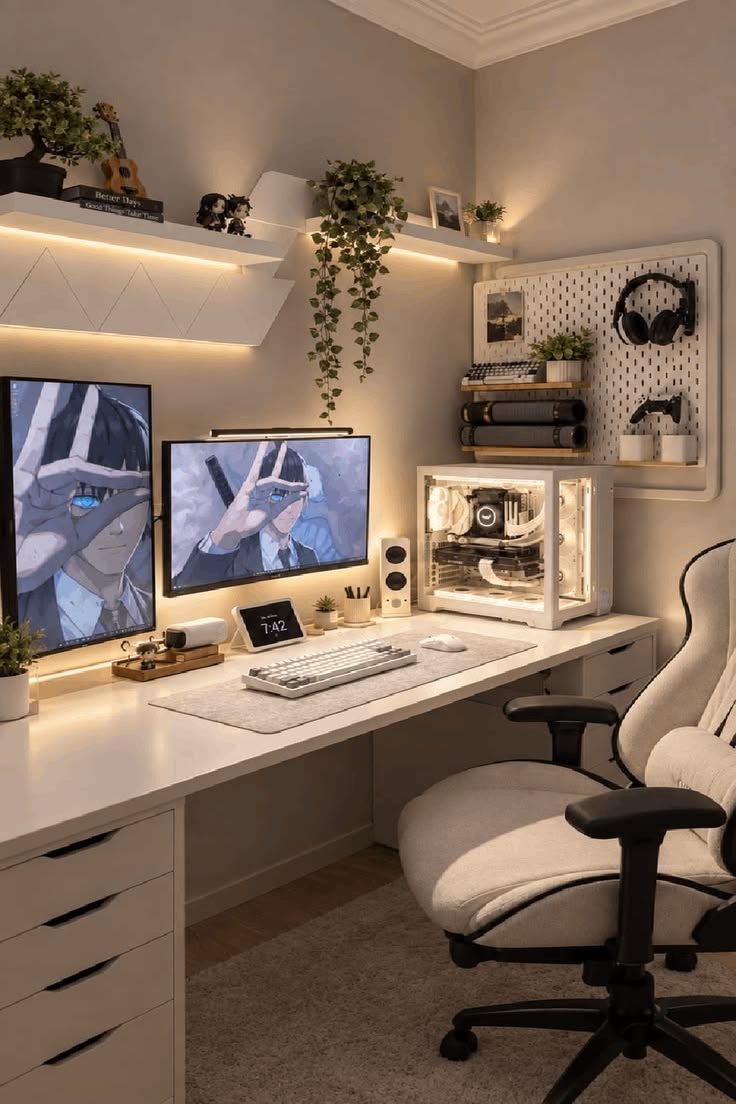
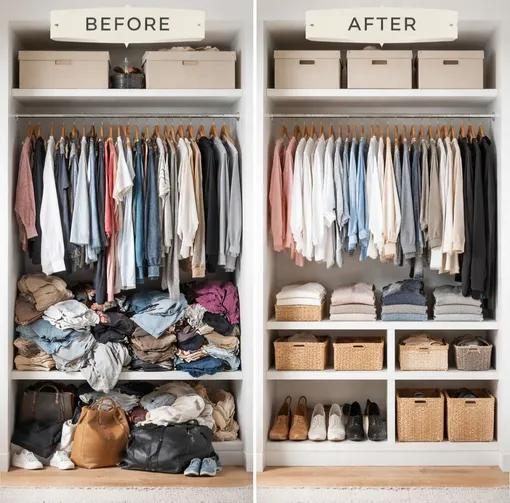
Is Your Home Messy or You Just Have Too Much Stuff?Let’s be honest. How many things in your home are you keeping even though you haven’t used them in years? That old furniture, clothes you no longer wear, kitchen gadgets you bought but barely touch, and decorations you keep saying you’ll use someday. Sometimes the problem isn’t a lack of storage. It’s that we simply have too much stuff! Which one describes you best? A. I love keeping things. You never know when you’ll need them! B. I prefer a clutter-free home. If I don’t use it, I remove it. C. I’m a sentimental person. I can’t throw things away. D. I want a minimalist home, but I struggle to let go of things. Here’s the real question: Should we learn to organize better, or learn to own less? Let’s hear your thoughts!