BEST OFFort Smith
Arkansas, United States
The best places to eat, drink, shop and explore, chosen by real people like you.
Community in Fort Smith
Ask the people who know Fort Smith, and join what everyone is talking about.
Audience:
In Fort Smith
Global
All of CommunitiesWhat people everywhere are asking, sharing and debating.
EntertainmentFindalexaraneta5m ago
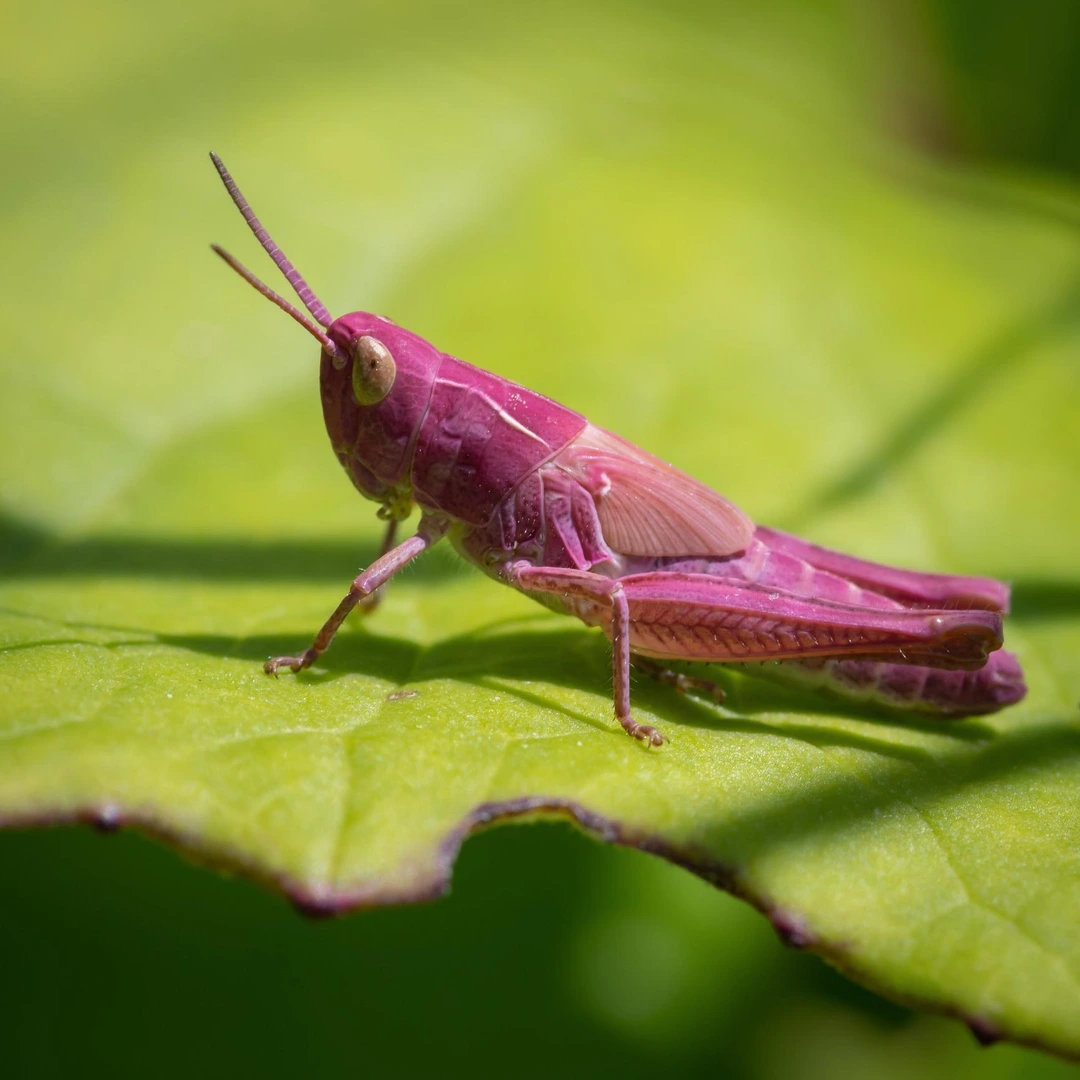
The Rare Pink GrasshopperMeet the rare and beautiful pink grasshopper! Unlike the usual green or brown grasshoppers, this insect has a stunning pink coloration caused by a genetic condition called erythrism. This rare color variation makes it stand out in nature and gives it an almost magical appearance. A reminder that nature never runs out of surprises!
Food & DrinkFindAlfred2h ago
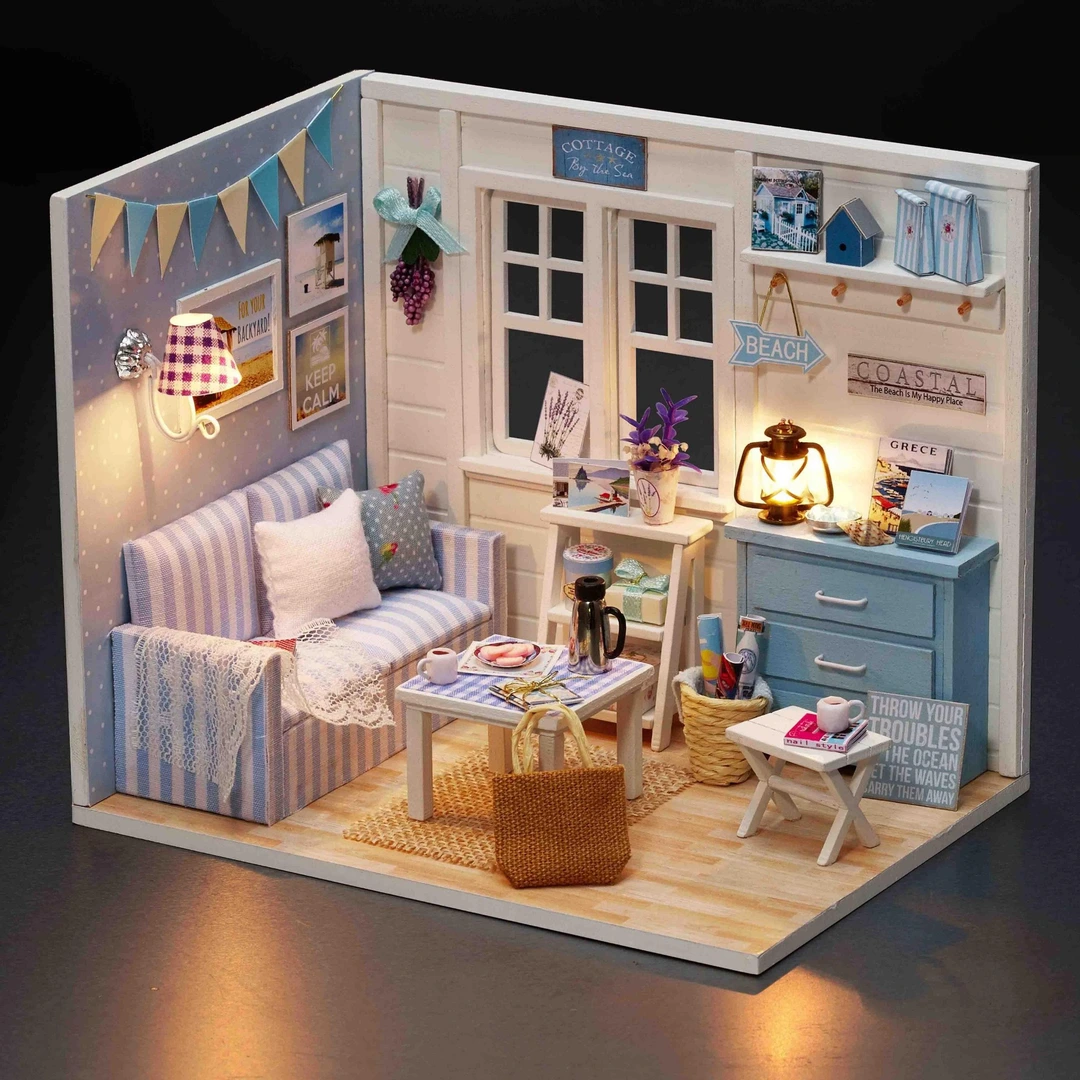
Hands-On Hobbies Are Making a Comeback in 2026After years of digital entertainment and endless scrolling, people are showing renewed interest in hobbies that involve making, collecting and creating things with their hands. Pinterest’s 2026 Hobbies Trend Report highlights growing interest in activities such as miniature crafts, handmade accessories, home coffee setups, embroidery, food preservation and collecting. The report compares platform searches from May 2026 with the same period in 2025. Some of the most striking increases involved creative projects. Searches for crochet parandi rose by more than 5,000%, while clay bag charm searches increased by nearly 1,500%. Miniature rooms, tiny food crafts and handmade objects also attracted growing attention. Part of the appeal is that these hobbies offer something different from the fast pace of digital life. Instead of simply watching content, people can make something physical, learn a skill and create objects that reflect their personality. The trend also connects with the growing popularity of personal collections. Vinyl records, keychains, figurines and other small objects are becoming ways for people to express their interests and decorate their spaces. It is more than just a return to old-fashioned pastimes. Modern hobby culture combines traditional crafts with social media, online tutorials and communities where people share their creations.

Travel & PlacesFindAlfred2h ago
Blind-Box Collectibles Turn Surprise Into a Global HobbyA sealed box containing a mystery toy has become much more than a simple shopping experience. Blind-box collectibles have developed into a major part of modern pop culture. The concept is straightforward: customers purchase a package without knowing exactly which figure is inside. Each box contains a surprise, and some collections include rare or limited-edition designs that are harder to find. The popularity of this format has been closely associated with designer toy brands and collectible characters such as Labubu. Unboxing videos, collection tours, trading communities and discussions about rare figures have helped turn the hobby into a social experience. A 2026 academic review examining Pop Mart’s blind-box culture describes how the experience extends beyond the product itself. The excitement of opening a package, comparing discoveries, watching other collectors and searching for rare designs all contribute to the appeal. For collectors, the attraction can be the character design, the thrill of finding a rare figure or the satisfaction of completing an entire series. For brands, the format creates anticipation and encourages people to follow new releases. However, the surprise element can also encourage repeated purchases. Collectors need to be aware that buying more boxes does not guarantee finding a particular figure. What began as a simple mystery package has become a combination of collecting, entertainment, social media and modern consumer culture.
Worth BuyingFindAlfred2h ago
Hands-On Hobbies Are Making a Comeback in 2026After years of digital entertainment and endless scrolling, people are showing renewed interest in hobbies that involve making, collecting and creating things with their hands. Pinterest’s 2026 Hobbies Trend Report highlights growing interest in activities such as miniature crafts, handmade accessories, home coffee setups, embroidery, food preservation and collecting. The report compares platform searches from May 2026 with the same period in 2025. Some of the most striking increases involved creative projects. Searches for crochet parandi rose by more than 5,000%, while clay bag charm searches increased by nearly 1,500%. Miniature rooms, tiny food crafts and handmade objects also attracted growing attention. Part of the appeal is that these hobbies offer something different from the fast pace of digital life. Instead of simply watching content, people can make something physical, learn a skill and create objects that reflect their personality. The trend also connects with the growing popularity of personal collections. Vinyl records, keychains, figurines and other small objects are becoming ways for people to express their interests and decorate their spaces. It is more than just a return to old-fashioned pastimes. Modern hobby culture combines traditional crafts with social media, online tutorials and communities where people share their creations.
Food & DrinkFindAlfred2h ago
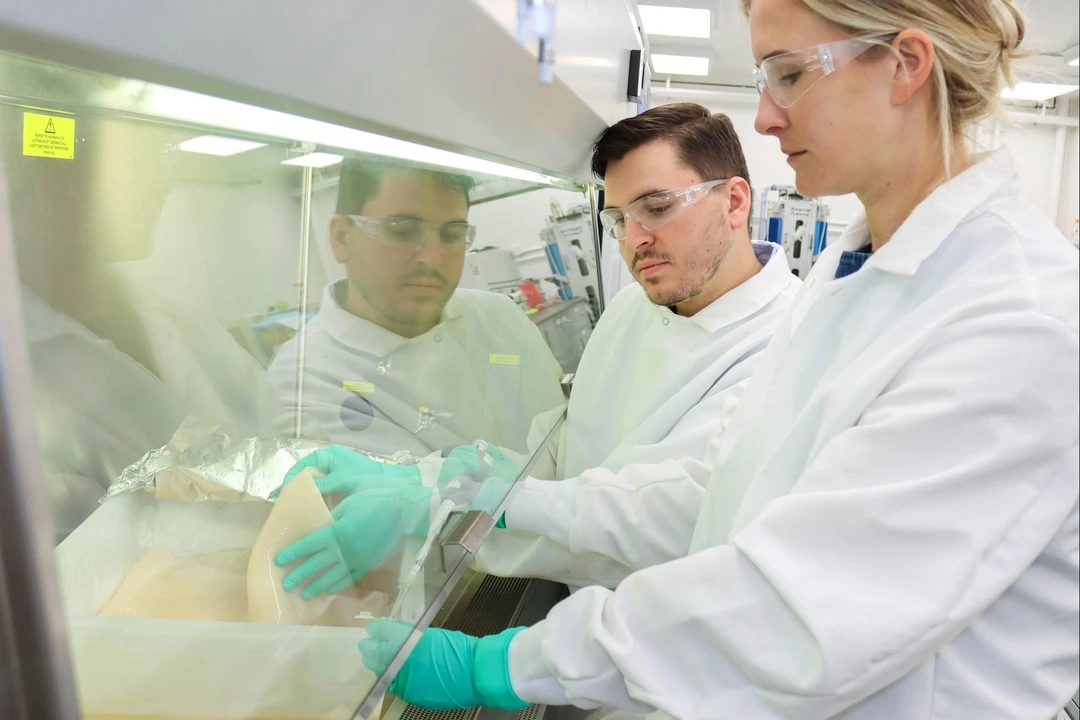
Scientists Discover That Bacteria Can Make Advanced ElectronSome of the materials used in future electronics may come from an unexpected source: bacteria. An international research team led by the University of Antwerp has discovered that bacteria can naturally manufacture metal-organic frameworks, commonly known as MOFs. These are highly structured materials that scientists usually associate with advanced synthetic chemistry. The discovery was reported in November 2026. MOFs are interesting because their structures can be designed with specific properties. Researchers have been exploring them for applications including carbon capture, chemical processing and electronics. What makes the bacterial discovery particularly remarkable is that the naturally produced material showed exceptionally high electrical conductivity compared with other reported MOFs. The research suggests that living organisms may be capable of producing advanced materials that scientists previously thought required sophisticated laboratory manufacturing processes. This does not mean bacteria can already manufacture computer chips or replace conventional electronics factories. Researchers still need to understand how the materials are produced and whether the process can be controlled and scaled. Nevertheless, the discovery opens an exciting area of research: using biology not just to produce food, medicine or fuel, but potentially to create the materials used in tomorrow’s technology.
Home & DIYFindAlfred2h ago
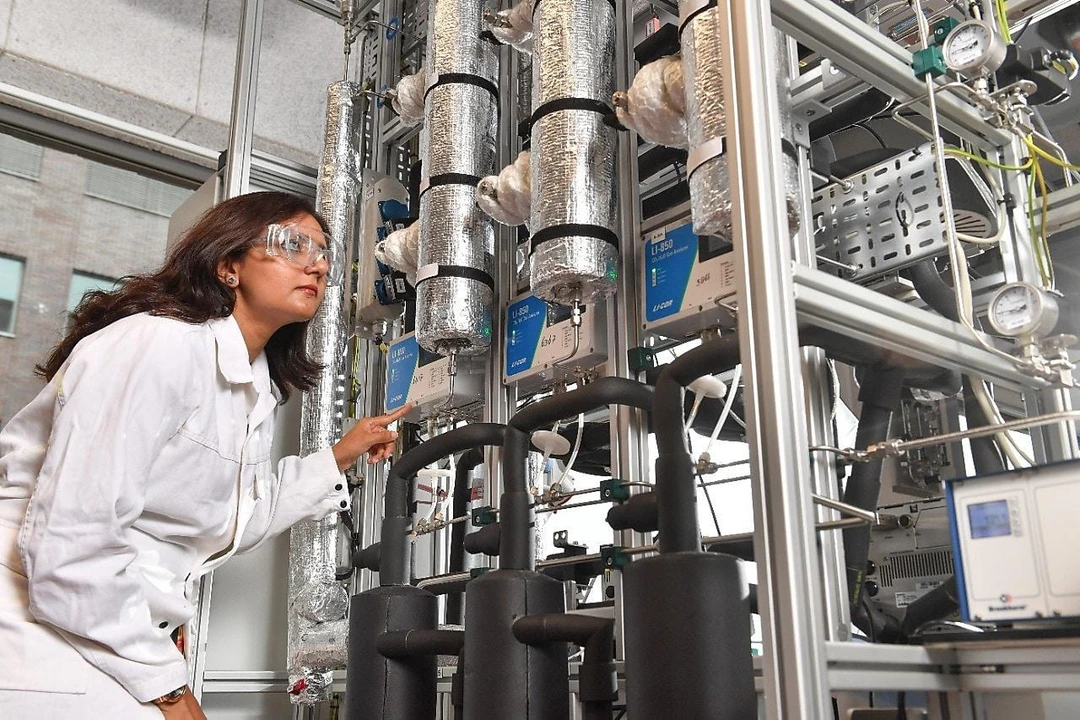
A New Material Could Make Carbon Capture More EffectiveCapturing carbon dioxide from industrial emissions is one of the technologies being explored to reduce greenhouse gases. But one unexpected problem has made the process more difficult: moisture in the air. Researchers have developed a new material designed to capture carbon dioxide even under extremely humid conditions. The research, reported in November 2026, focuses on a problem that can affect the performance of materials used in carbon capture systems. Many carbon capture materials can struggle when water molecules interfere with the process of attracting and holding carbon dioxide. This can make the technology less efficient in real-world environments, where humidity is difficult to avoid. The newly developed material is designed to work with moisture rather than allowing it to become a major obstacle. The researchers also reported that the material could be reused repeatedly, an important consideration because industrial carbon capture needs to be practical and economical. The potential impact could be significant. If materials like this can be developed at scale, they may help factories and other industrial facilities capture more of the carbon dioxide they produce. However, carbon capture is not a substitute for reducing emissions in the first place. The material still needs further development and testing before its practical impact can be established.