BEST OFAnn Arbor
Michigan, United States
The best places to eat, drink, shop and explore, chosen by real people like you.
Community in Ann Arbor
Ask the people who know Ann Arbor, and join what everyone is talking about.
Audience:
In Ann Arbor
Global
All of CommunitiesWhat people everywhere are asking, sharing and debating.

Travel & PlacesFindalexaraneta16m ago
The Shadowless Church in ChinaImagine a church that looks like it is glowing in the middle of a beautiful flower field. This extraordinary architectural design can be found at the Sino-French Science Park in Chengdu, China. Designed by Shanghai Dachuan Architects, the small church reimagines traditional church architecture using thousands of slender white vertical beams. These delicate structures create a stunning play of light and shadows, making the building appear almost weightless. Unlike conventional churches made with massive walls, its open and lightweight design gives it a unique, almost magical appearance.
Worth BuyingFindalexaraneta26m ago
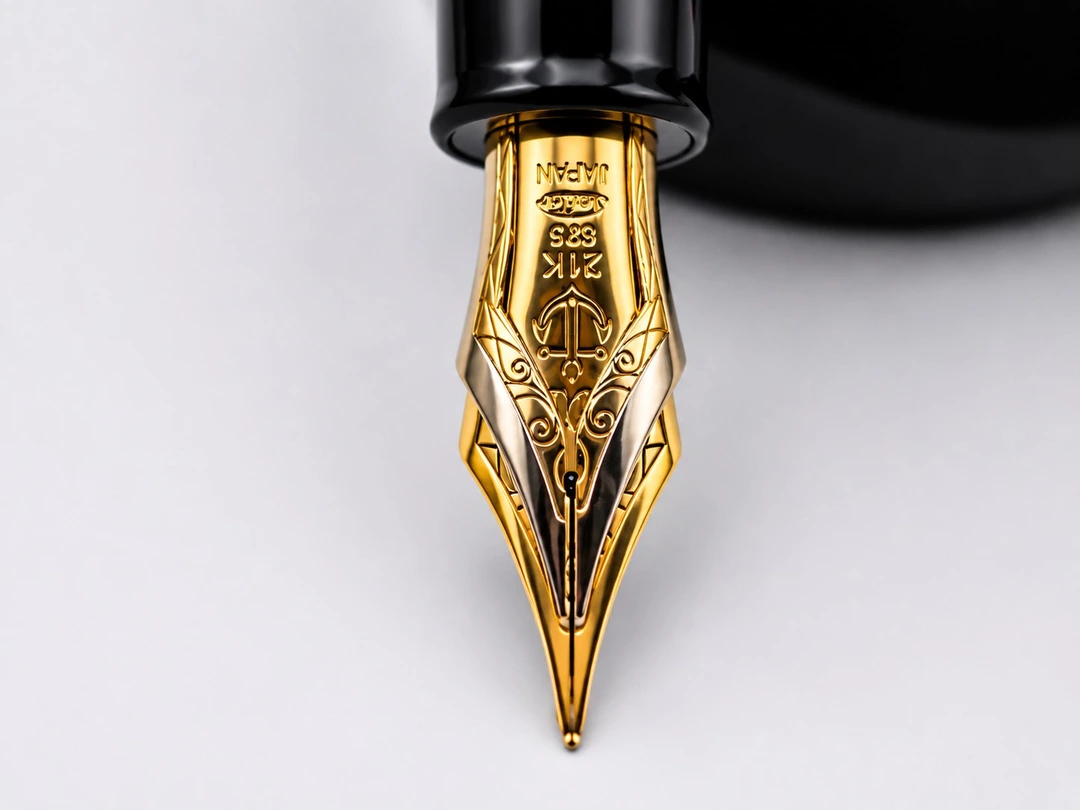
Gold Fountain PensThe gold fountain pen nib: a beautiful masterpiece of writing craftsmanship Before digital screens and keyboards became part of everyday life, fountain pens were treasured tools for writing, signing important documents, and creating beautiful handwritten letters. This close-up reveals the intricate beauty of a gold-colored fountain pen nib, featuring elegant engraved patterns, delicate filigree details, and a polished metallic finish. Unlike ordinary ballpoint pens, fountain pens use liquid ink that flows through a small opening in the nib onto paper. The nib’s design helps create smooth, expressive handwriting. ✨ Fascinating facts: Fountain pen nibs are commonly made from gold or stainless steel. Some luxury nibs feature intricate decorative engravings. Gold nibs are valued for their craftsmanship and writing feel. The nib’s slit helps deliver ink to the writing surface. Fountain pens remain popular among collectors, writers, and calligraphy enthusiasts.
Tech & AIFindalexaraneta26m ago
Gold Fountain PensThe gold fountain pen nib: a beautiful masterpiece of writing craftsmanship Before digital screens and keyboards became part of everyday life, fountain pens were treasured tools for writing, signing important documents, and creating beautiful handwritten letters. This close-up reveals the intricate beauty of a gold-colored fountain pen nib, featuring elegant engraved patterns, delicate filigree details, and a polished metallic finish. Unlike ordinary ballpoint pens, fountain pens use liquid ink that flows through a small opening in the nib onto paper. The nib’s design helps create smooth, expressive handwriting. ✨ Fascinating facts: Fountain pen nibs are commonly made from gold or stainless steel. Some luxury nibs feature intricate decorative engravings. Gold nibs are valued for their craftsmanship and writing feel. The nib’s slit helps deliver ink to the writing surface. Fountain pens remain popular among collectors, writers, and calligraphy enthusiasts.

Tech & AIFindalexaraneta34m ago
The Antique Candlestick Telephone☎️ the antique candlestick telephone: a classic invention that changed communication forever! Before smartphones, touchscreens, and wireless technology, people relied on fascinating inventions like this antique candlestick telephone to communicate over long distances. Popular during the late 19th and early 20th centuries, candlestick telephones became an iconic part of early telephone history. They featured an upright metal stand, a mouthpiece positioned near the user’s face, and a separate receiver held against the ear. Some later models included rotary dials, allowing users to dial telephone numbers directly instead of relying entirely on telephone operators.
Style & BeautyFindalexaraneta37m ago
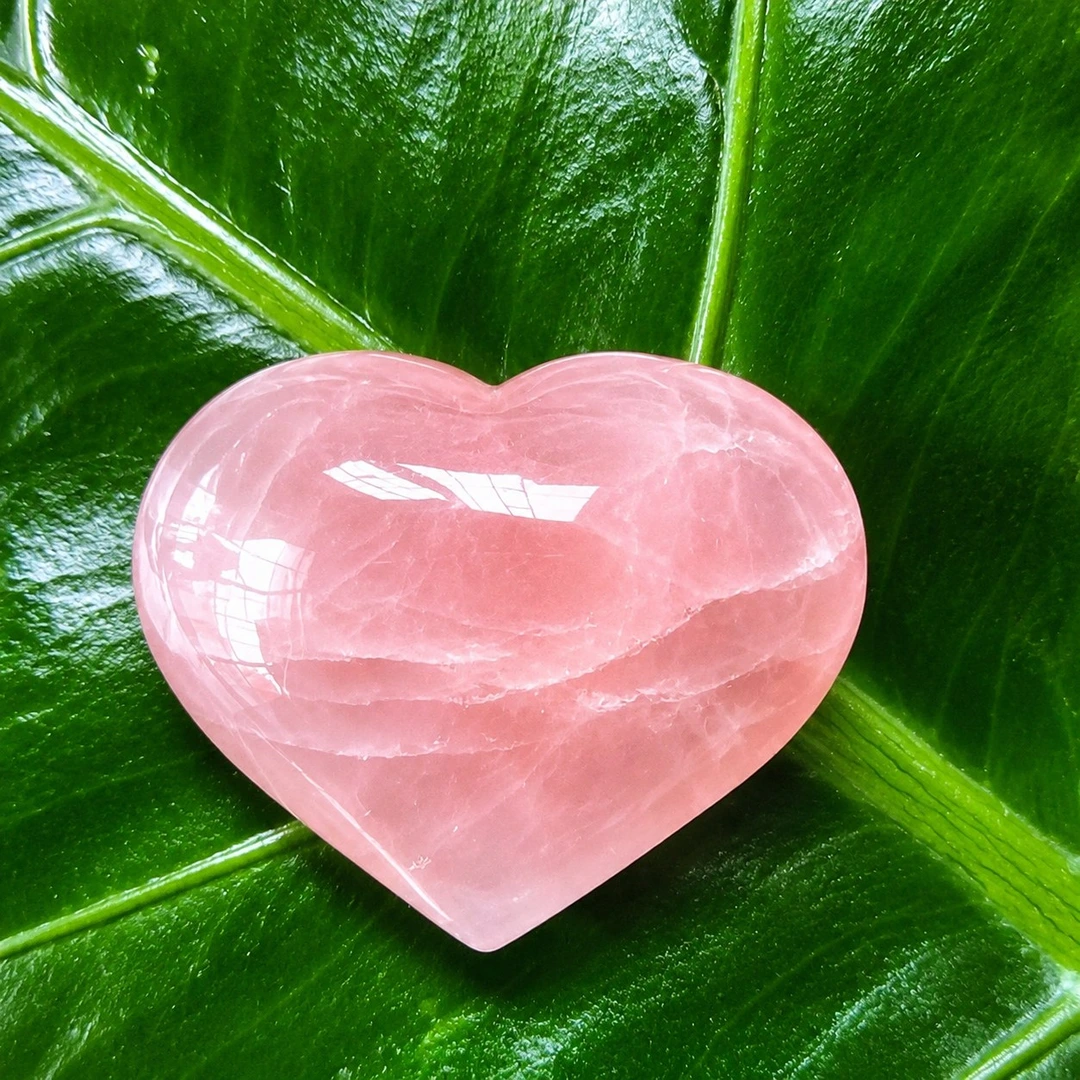
A beautiful pink variety of quartz💗 rose quartz: the beautiful pink crystal known as the stone of love Soft pink, naturally beautiful, and often carved into heart shapes, Rose Quartz is one of the most recognizable varieties of quartz. Known as the “Stone of Love,” this beautiful crystal has long been associated with love, compassion, emotional healing, and self-love in crystal traditions. Its delicate pink color comes from trace elements and microscopic mineral inclusions within the quartz. When polished, it develops a smooth, glass-like surface that highlights its beautiful natural patterns.

Food & DrinkFindAlfred51m ago
Traditional Markets Keep Local Food Culture AliveTraditional markets remain an important part of everyday life in many countries. They bring together farmers, food sellers, small businesses and shoppers in spaces where local ingredients and regional specialties are easy to discover. Unlike supermarkets, markets often allow customers to interact directly with vendors, ask about ingredients and learn how certain foods are prepared. They also preserve local food habits, from seasonal produce to traditional spices and freshly prepared dishes.