BEST OFBenin
Benin
The best places to eat, drink, shop and explore, chosen by real people like you.
Community in Benin
Ask the people who know Benin, and join what everyone is talking about.
Audience:
In Benin
Global
All of CommunitiesWhat people everywhere are asking, sharing and debating.

Style & BeautyFindalexaraneta1h ago
A $1 Billion Wedding That Looked Like a Fairytale!Imagine attending a wedding that reportedly cost around $1 BILLION! 💎 In 2016, Russian billionaire’s son Said Gutseriev married Khadija Uzhakhova in Moscow, Russia, in what became one of the most extravagant wedding celebrations ever reported. The lavish event featured an extraordinary diamond-covered wedding dress, a spectacular nine-tier wedding cake, breathtaking floral decorations, and performances by international superstars Jennifer Lopez, Sting, and Enrique Iglesias. The bride reportedly wore a custom-designed Elie Saab gown adorned with intricate details and diamonds. Guests were treated to an unforgettable celebration filled with luxury, entertainment, and extravagant decorations. The reported $1 billion price tag has never been independently verified, so it is best understood as a widely circulated estimate rather than a confirmed wedding budget. Can you imagine spending that much money on just one wedding? 💍
Worth BuyingFindalexaraneta1h ago
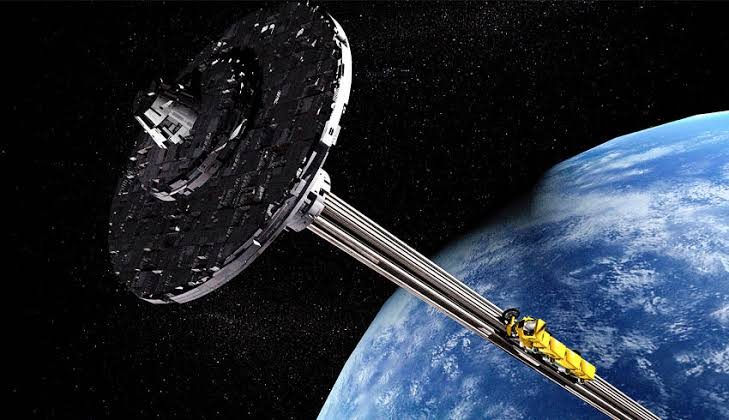
What If We Could Take an Elevator Into Space?Scientists and engineers have explored the idea of a space elevator, a massive structure connecting Earth’s surface to space using an extremely strong tether. It could one day offer an alternative way to transport cargo into orbit. However, the technology and materials needed to build one are not yet available.

Style & BeautyFindAlfred2h ago
Your Brain Can Miss Something Right in Front of YouYou might think that if something is directly in front of your eyes, you will automatically notice it. But the human brain does not process every detail in our surroundings equally. Sometimes, we can completely overlook something visible because our attention is focused elsewhere. Psychologists call this inattentional blindness. In a famous experiment, participants watched people passing a basketball and were asked to count the passes. Many failed to notice a person in a gorilla costume walking directly through the scene. The surprising result showed that seeing something and consciously noticing it are not always the same thing. This phenomenon helps explain why people can miss obvious details while driving, searching for an object or watching a busy scene. Our attention is limited, so the brain prioritises information it considers relevant to the task at hand. It is a fascinating reminder that human perception is not a perfect recording of reality.
Food & DrinkFindAlfred2h ago
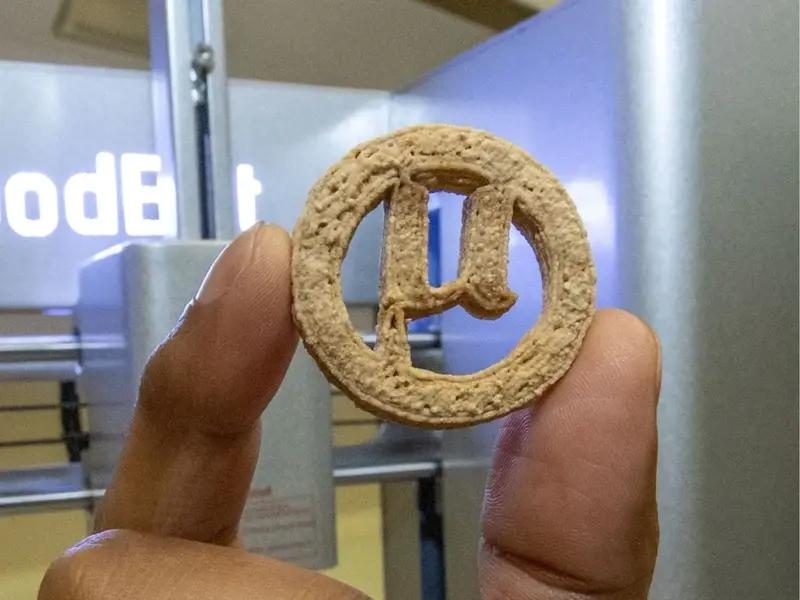
Scientists Are Turning Plastic Waste Into Food IngredientsWhat if some plastic waste could one day become a raw material for producing food ingredients? Researchers have been exploring an unusual approach using engineered yeast to transform PET plastic and agricultural waste into components that could be used in protein-rich, 3D-printed foods. The project was developed as part of research connected to NASA’s Deep Space Food Challenge. The idea is to create food-production systems that make use of available waste materials while producing useful nutrients. In principle, this could be valuable in places where traditional food supply chains are difficult to maintain, including long-duration space missions. There is an important distinction, though: this does not mean people can safely eat ordinary plastic after it has been recycled. The research involves specialised biological processing, carefully controlled production and further safety evaluation. It is an intriguing example of how scientists are exploring unconventional ways to reduce waste and rethink food production. S
Food & DrinkFindAlfred2h ago
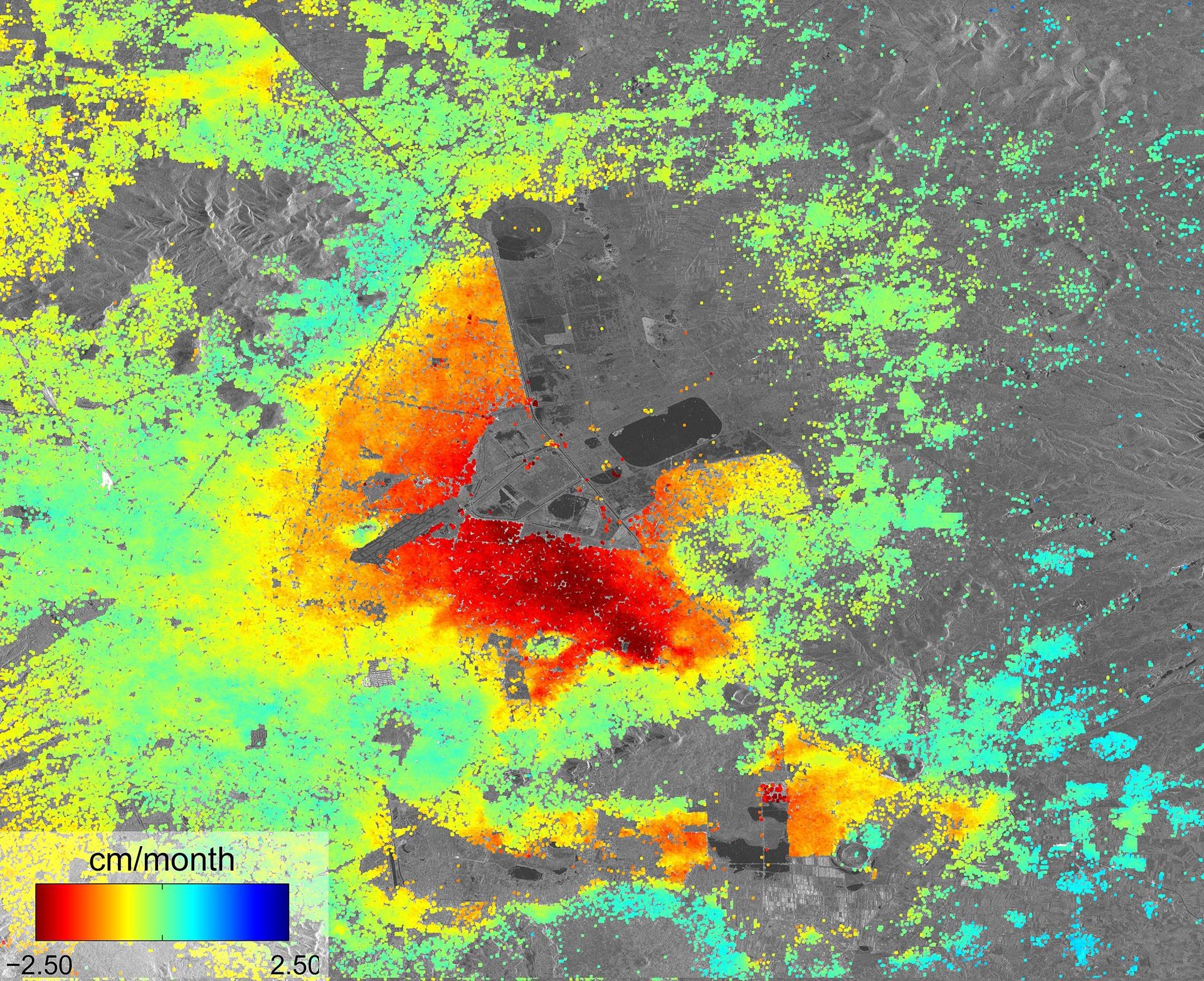
Some Major Cities Are Literally SinkingWhen people talk about rising sea levels, they usually imagine the ocean gradually moving higher. But there’s another problem happening beneath some cities: the land itself is sinking. Scientists call this process land subsidence, and it can make flooding and coastal risks significantly worse. A 2026 study published in Nature Cities used satellite observations collected between 2014 and 2023 to examine ground movement in 465 cities with populations exceeding one million. It found that subsidence is widespread, with particularly serious patterns in parts of Southeast Asia, West-Central Asia and North America. Cities such as Mexico City and Medan in Indonesia are among the places highlighted in related reporting. One major cause can be excessive groundwater extraction. When underground water is removed, the layers of soil can compact, causing the surface above them to sink. This means a city can face a double challenge: the sea rising while the land beneath its buildings and roads gradually falls.
PetsFindAlfred2h ago
Scientists Are Turning Plastic Waste Into Food IngredientsWhat if some plastic waste could one day become a raw material for producing food ingredients? Researchers have been exploring an unusual approach using engineered yeast to transform PET plastic and agricultural waste into components that could be used in protein-rich, 3D-printed foods. The project was developed as part of research connected to NASA’s Deep Space Food Challenge. The idea is to create food-production systems that make use of available waste materials while producing useful nutrients. In principle, this could be valuable in places where traditional food supply chains are difficult to maintain, including long-duration space missions. There is an important distinction, though: this does not mean people can safely eat ordinary plastic after it has been recycled. The research involves specialised biological processing, carefully controlled production and further safety evaluation. It is an intriguing example of how scientists are exploring unconventional ways to reduce waste and rethink food production. S