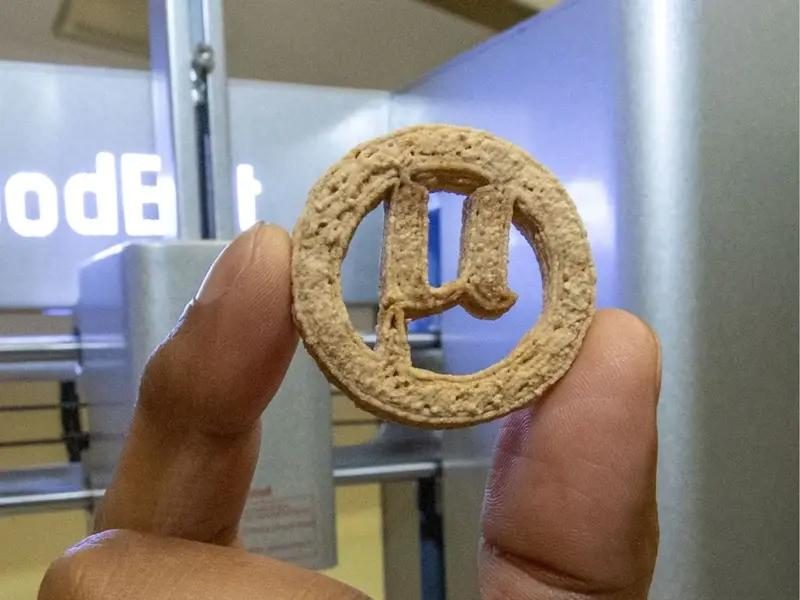

What if some plastic waste could one day become a raw material for producing food ingredients? Researchers have been exploring an unusual approach using engineered yeast to transform PET plastic and agricultural waste into components that could be used in protein-rich, 3D-printed foods.
The project was developed as part of research connected to NASA’s Deep Space Food Challenge. The idea is to create food-production systems that make use of available waste materials while producing useful nutrients.
In principle, this could be valuable in places where traditional food supply chains are difficult to maintain, including long-duration space missions.
There is an important distinction, though: this does not mean people can safely eat ordinary plastic after it has been recycled. The research involves specialised biological processing, carefully controlled production and further safety evaluation.
It is an intriguing example of how scientists are exploring unconventional ways to reduce waste and rethink food production.
S