BEST OFHouhai
Guangdong, China
The best places to eat, drink, shop and explore, chosen by real people like you.
Community in Houhai
Ask the people who know Houhai, and join what everyone is talking about.
Audience:
In Houhai
Global
All of CommunitiesWhat people everywhere are asking, sharing and debating.
Food & DrinkFindalexaraneta16m ago
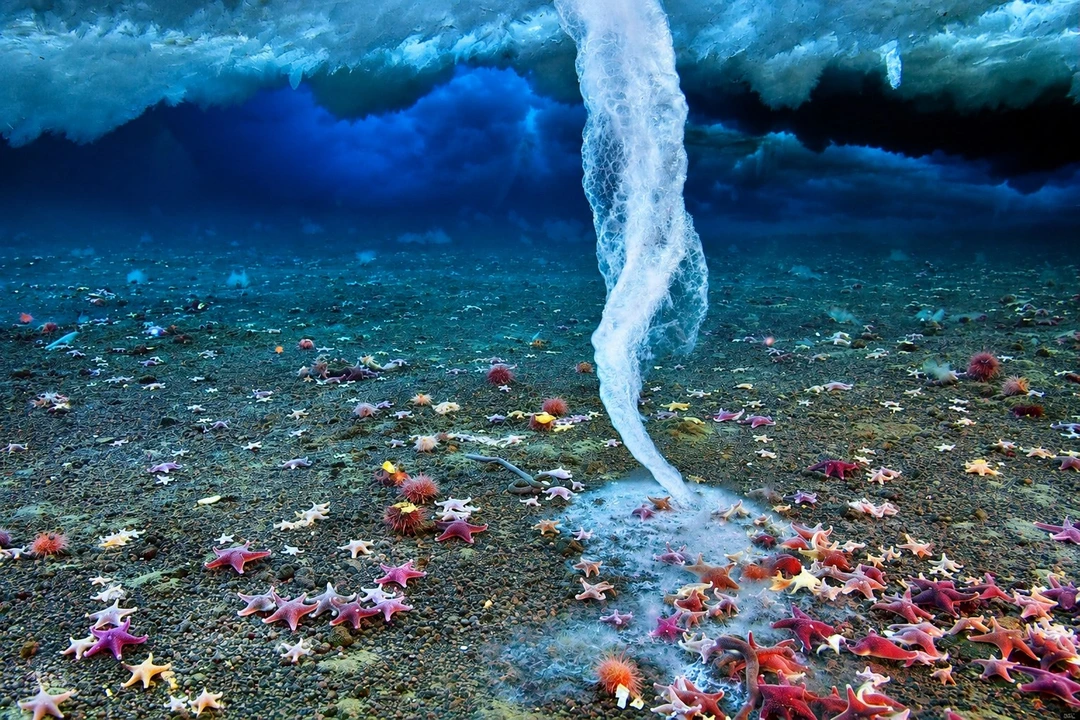
The Underwater Ice Finger of DeathDeep beneath the frozen sea ice of Antarctica, a rare and fascinating natural phenomenon takes place. Known as a brinicle, this icy formation looks like a giant underwater icicle slowly reaching toward the ocean floor. 🌊 How does it form? When seawater freezes, salt is pushed out of the forming ice, creating extremely cold, concentrated brine. Because this salty water is denser than the surrounding seawater, it sinks. As it descends, it freezes the water around it, forming a hollow tube of ice. When the brinicle reaches the seabed, the freezing brine can spread outward, trapping slow-moving marine creatures such as sea stars and sea urchins. 📍 Location: Antarctic Ocean, beneath floating sea ice, including areas near McMurdo Sound and the Ross Sea. 🎥 The BBC filmed this extraordinary phenomenon for the first time in 2011 for its documentary series Frozen Planet. A breathtaking reminder that some of Earth’s strangest natural wonders exist beneath the ice!
Food & DrinkFindalexaraneta40m ago
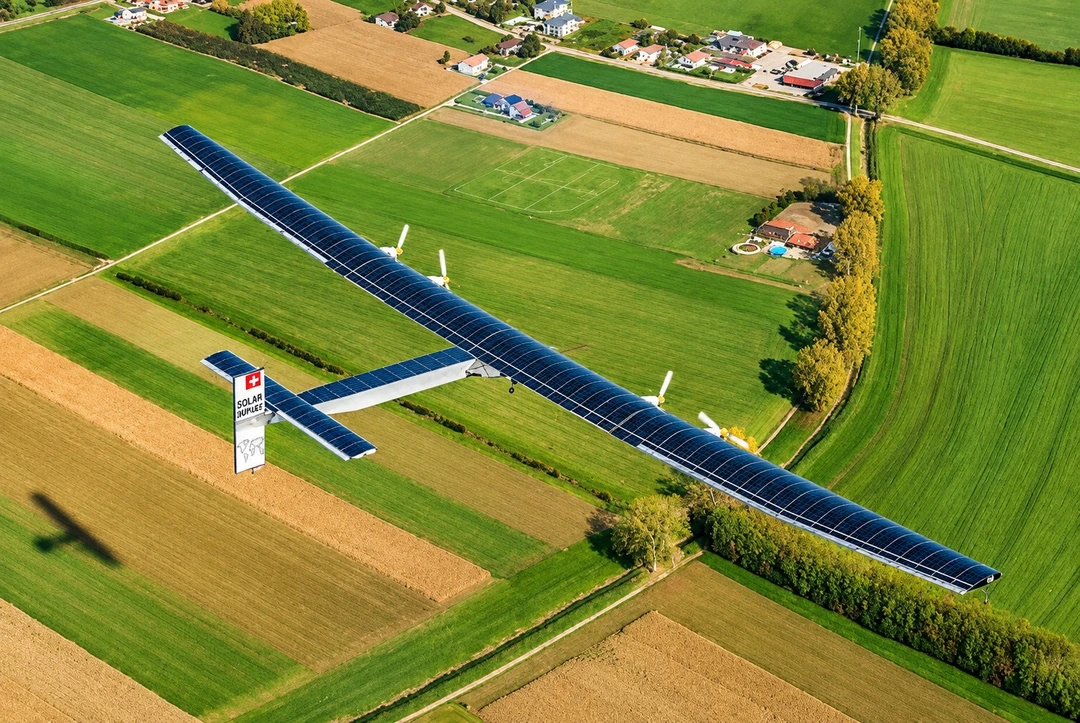
An Airplane Powered by the SunImagine flying around the world without using a single drop of fuel! ✈️ Meet Solar Impulse 2, an experimental Swiss aircraft powered entirely by solar energy. Its enormous wings are covered with thousands of solar cells that collect sunlight to power its electric motors and recharge its batteries. Designed by Swiss pioneers Bertrand Piccard and André Borschberg, the aircraft made aviation history by completing the first round-the-world flight by a solar-powered airplane between 2015 and 2016. This photograph shows Solar Impulse 2 flying over the countryside near Payerne, Switzerland, during a test flight. 📍 Location: Payerne, Switzerland 🇨🇭 🌍 Aircraft: Solar Impulse 2 (HB-SIB) ⚡ Power source: Solar energy
Travel & PlacesFindalexaraneta40m ago
An Airplane Powered by the SunImagine flying around the world without using a single drop of fuel! ✈️ Meet Solar Impulse 2, an experimental Swiss aircraft powered entirely by solar energy. Its enormous wings are covered with thousands of solar cells that collect sunlight to power its electric motors and recharge its batteries. Designed by Swiss pioneers Bertrand Piccard and André Borschberg, the aircraft made aviation history by completing the first round-the-world flight by a solar-powered airplane between 2015 and 2016. This photograph shows Solar Impulse 2 flying over the countryside near Payerne, Switzerland, during a test flight. 📍 Location: Payerne, Switzerland 🇨🇭 🌍 Aircraft: Solar Impulse 2 (HB-SIB) ⚡ Power source: Solar energy
Travel & PlacesFindTantoast2h ago
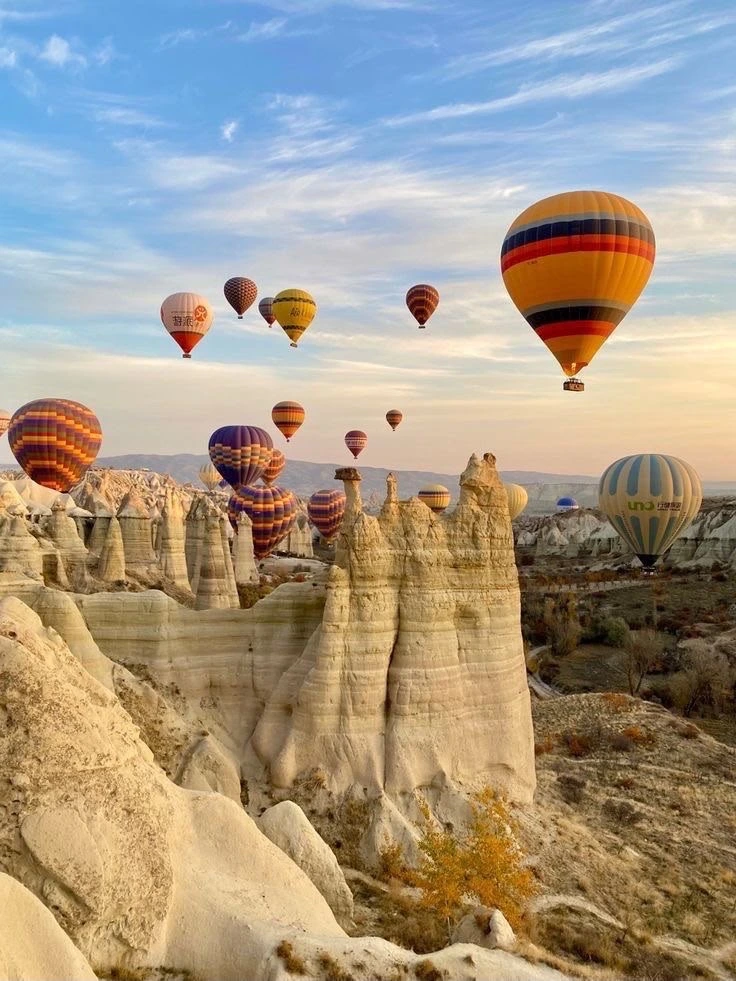
25 Incredible Places to Visit Around the World in 2027Planning your next big adventure? National Geographic has revealed its Best of the World 2027 list, featuring 25 extraordinary destinations across six continents. From breathtaking natural landscapes and ancient civilizations to cultural festivals and newly opened attractions, these places offer exciting reasons to travel in 2027. 1. Vestland, Norway: Explore dramatic fjords, towering cliffs, glaciers, waterfalls, and scenic mountain adventures. 2. Penang, Malaysia: Discover tropical rainforests, vibrant food culture, heritage streets, and a new cable car experience at Penang Hill. 3. Luxor, Egypt: Experience ancient temples, sunrise hot-air balloon rides, and Egypt’s upcoming luxury sleeper train. 4. Puerto Rico: Immerse yourself in vibrant Afro-Caribbean traditions, music, festivals, and beautiful coastlines. 5. Niigata, Japan: Experience the Echigo Tsumari Art Triennale, featuring installations across approximately 200 villages. 6. Grenada: Celebrate 150 years of Spicemas, the island’s colorful carnival filled with music, dancing, and cultural traditions. 7. Cape Froward, Chile: Explore a new national park at the southernmost point of mainland South America. 8. Normandy, France: Discover historic landmarks, Impressionist landscapes, and celebrations marking a millennium of history. 9. Malawi, Africa: Experience uncrowded safaris, beautiful Lake Malawi, and spectacular mountain adventures. 10. Melbourne, Australia: Enjoy world-class food, vibrant neighborhoods, sporting events, and expanded green spaces. Other destinations include: Madison, Puerto Rico, Dumfries and Galloway, Chengdu, Jaipur, Southern Ozarks, Halifax, Maya Ka’an, Tricity, Kuélap, Catalina Island, and more. Why it matters: Some destinations are worth visiting not just for their beauty, but because 2027 brings new attractions, cultural celebrations, conservation projects, and experiences that may make this the perfect time to explore them. SOURCE: National Geographic – The Best Places in the World to Travel to in 2027
Tech & AIFindRein2h ago
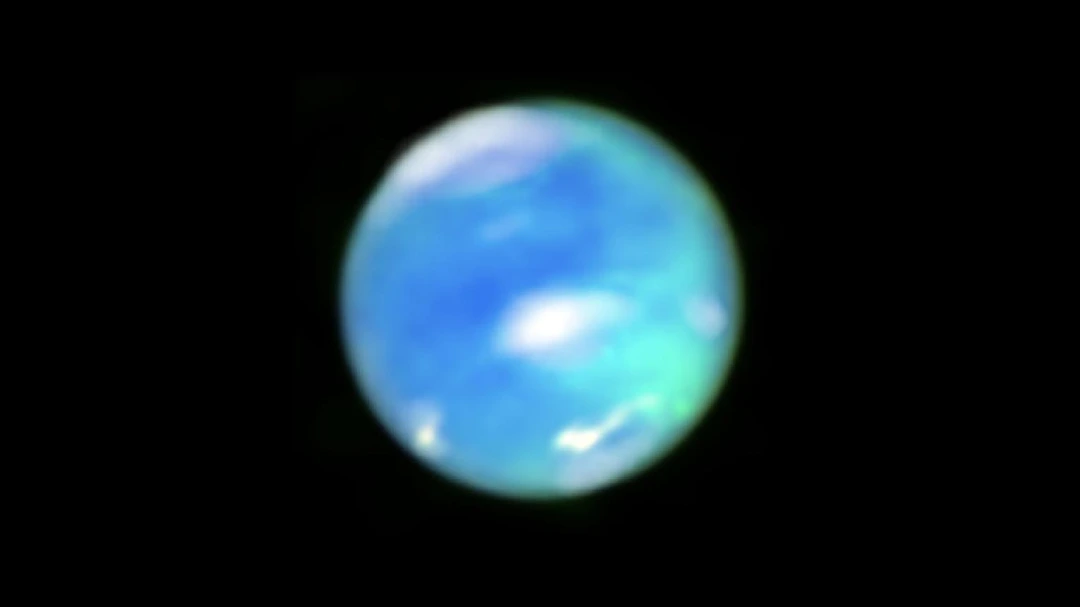
Neptune's Auroras Were Finally Seen By WebbEarth isn’t the only planet with spectacular auroras. Neptune has them too, and astronomers finally captured clear evidence of their glow. In March 2025, scientists announced that the James Webb Space Telescope had detected bright auroral activity on Neptune for the first time. Auroras happen when energetic particles interact with a planet’s magnetic field and atmosphere, producing glowing emissions. On Earth, this creates the northern and southern lights. Webb used its powerful infrared instruments to detect Neptune’s auroral emissions and study the temperature and composition of its upper atmosphere. Why this discovery matters: Scientists had searched for Neptune’s auroras for decades. Earlier observations provided hints, but confirming the phenomenon had remained difficult. The discovery helps researchers better understand Neptune’s magnetic field and how energetic particles interact with the atmospheres of distant planets.
Tech & AIFindRein2h ago
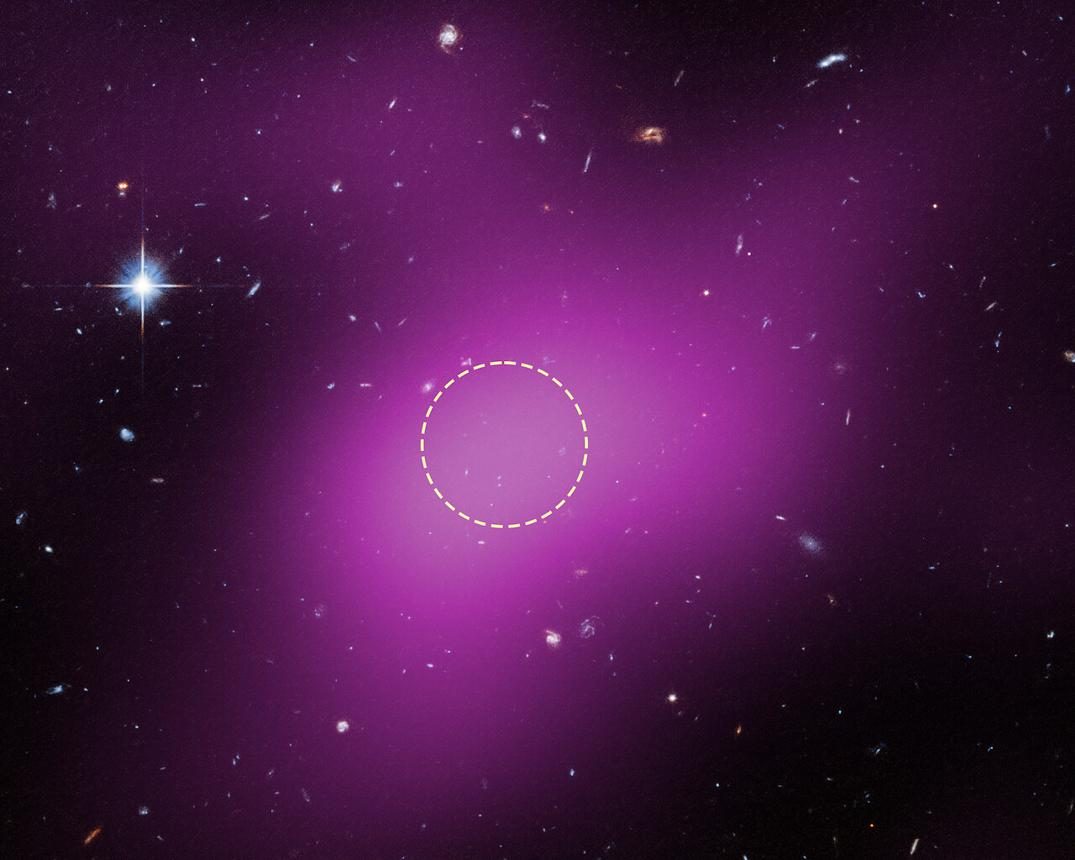
Astronomers Found A Galaxy Without Any StarsImagine finding something that resembles a galaxy, but contains no visible stars. In January 2026, astronomers using the Hubble Space Telescope confirmed an extraordinary object called Cloud-9. It is a gas-rich cloud dominated by dark matter, but unlike ordinary galaxies, it has no detected stars. Scientists believe Cloud-9 is a remnant of early galaxy formation, sometimes described as a failed galaxy. It may represent a primordial building block that never gathered enough material to form stars. The discovery is important because scientists have long predicted that objects like this could exist. Finding one provides a rare opportunity to study dark matter and understand how galaxies form. Why this is fascinating: A galaxy-like structure doesn’t necessarily need stars to exist. Cloud-9 gives astronomers a glimpse into a hidden part of the universe that ordinary telescopes cannot easily reveal.