
Earth isn’t the only planet with spectacular auroras. Neptune has them too, and astronomers finally captured clear evidence of their glow.
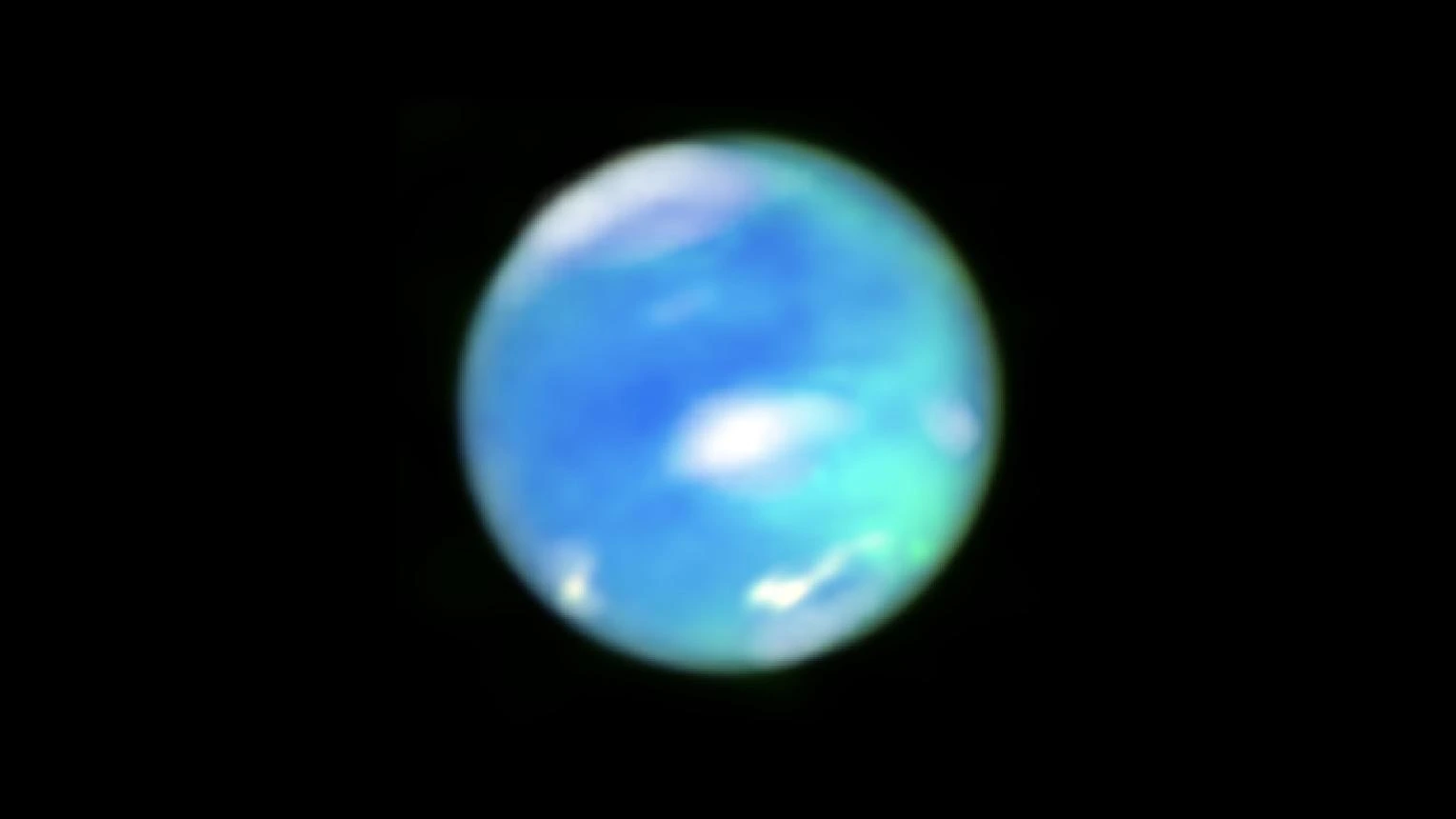
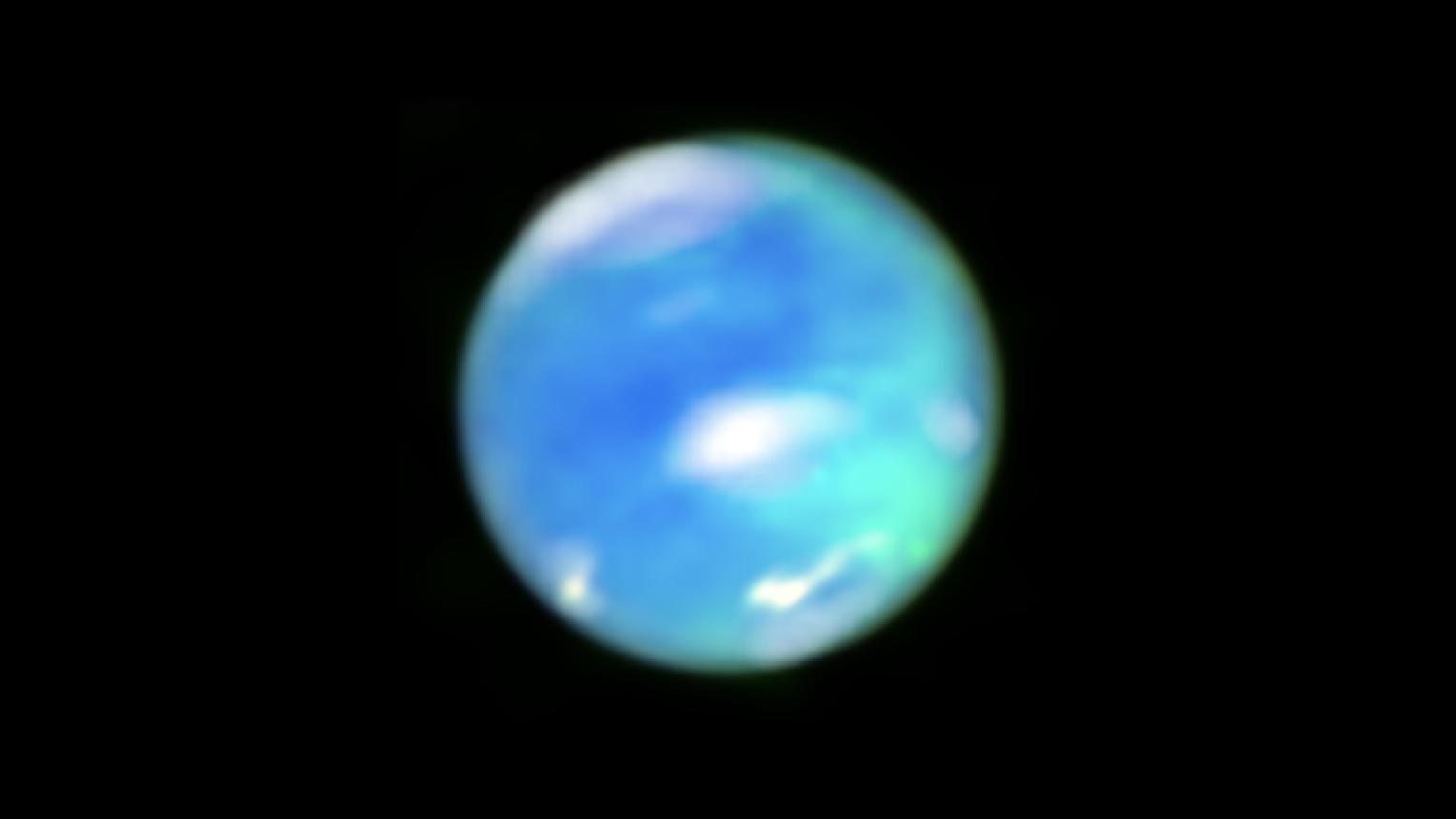
In March 2025, scientists announced that the James Webb Space Telescope had detected bright auroral activity on Neptune for the first time.
Auroras happen when energetic particles interact with a planet’s magnetic field and atmosphere, producing glowing emissions. On Earth, this creates the northern and southern lights.
Webb used its powerful infrared instruments to detect Neptune’s auroral emissions and study the temperature and composition of its upper atmosphere.
Why this discovery matters: Scientists had searched for Neptune’s auroras for decades. Earlier observations provided hints, but confirming the phenomenon had remained difficult.
The discovery helps researchers better understand Neptune’s magnetic field and how energetic particles interact with the atmospheres of distant planets.