



TOURISTS WALKED PAST 280 ICE AGE ENGRAVINGS
For decades, visitors explored a popular tourist cave in Catalonia, Spain, without realising that extraordinary prehistoric artwork was carved into its walls.
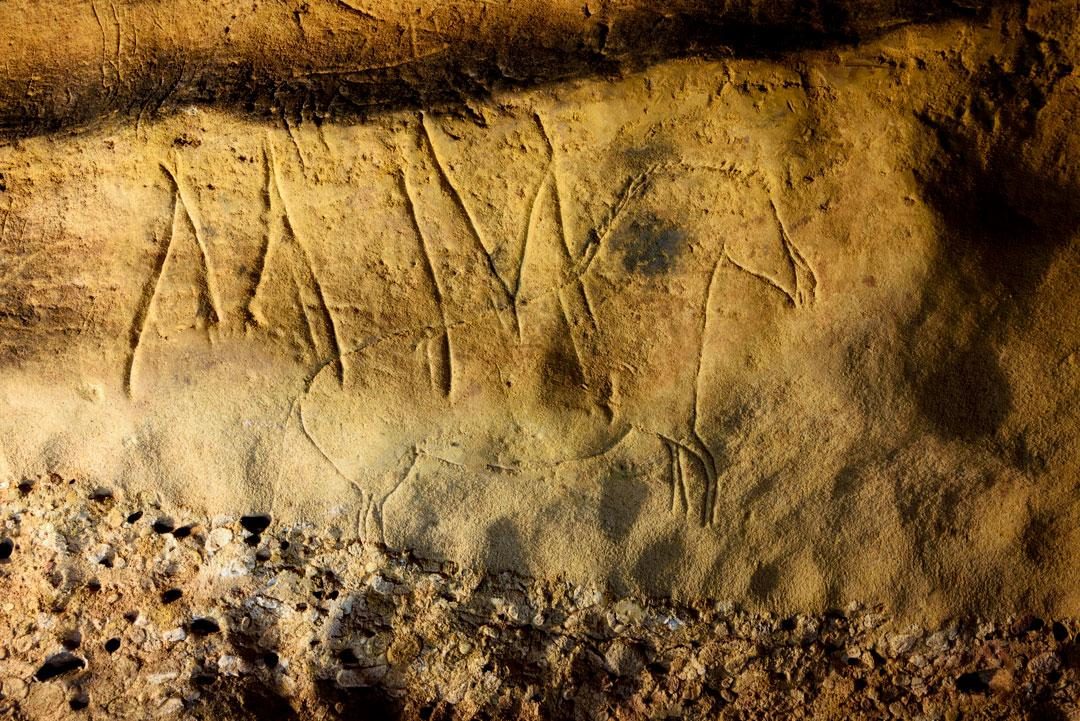
Researchers studying Cova de la Font Major identified 280 Palaeolithic motifs, including 55 animal figures.
The engravings include horses, bears, and aurochs, an extinct ancestor of modern domestic cattle. Other markings consist of lines and abstract shapes.
The cave has been visited for generations and was turned into a tourist attraction in 1993. Yet the artwork remained unnoticed because the engravings are extremely difficult to see under ordinary lighting.
Researchers found that changing the direction of the light helped reveal the shallow depressions carved into the rock.
Some engravings even use natural cracks and contours in the cave walls to complete the appearance of an animal. This suggests that prehistoric artists carefully considered the shape of their surroundings when creating their images.
The discovery is particularly significant because the region was previously considered relatively poor in Palaeolithic cave art.
DID YOU KNOW? Some prehistoric artists used natural rock formations as part of their artwork, effectively turning the cave wall itself into a canvas.