A Robot Builds Structures in Space Without Astronauts

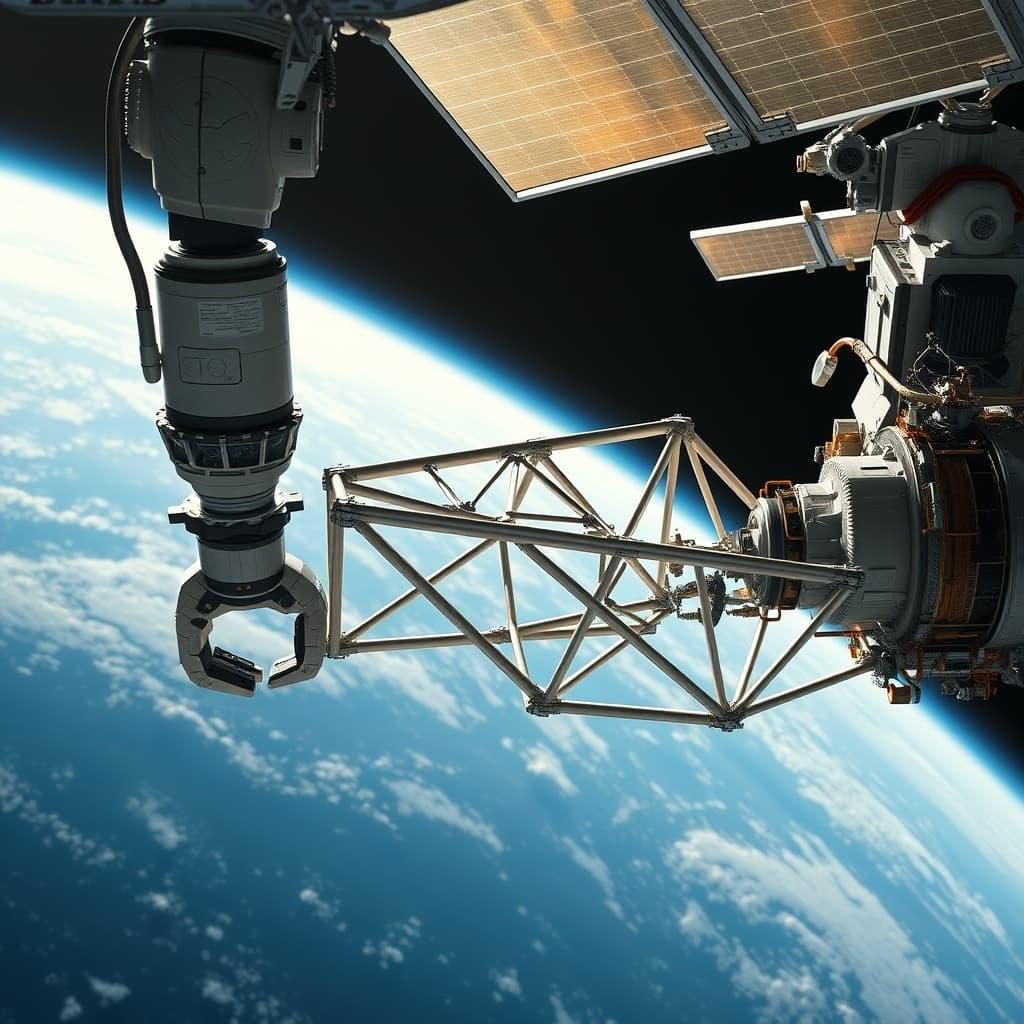
Building something in space usually requires astronauts, carefully planned spacewalks and equipment designed to survive the extreme conditions beyond Earth. A new robotic system has demonstrated another possibility: construction without astronauts controlling the assembly.
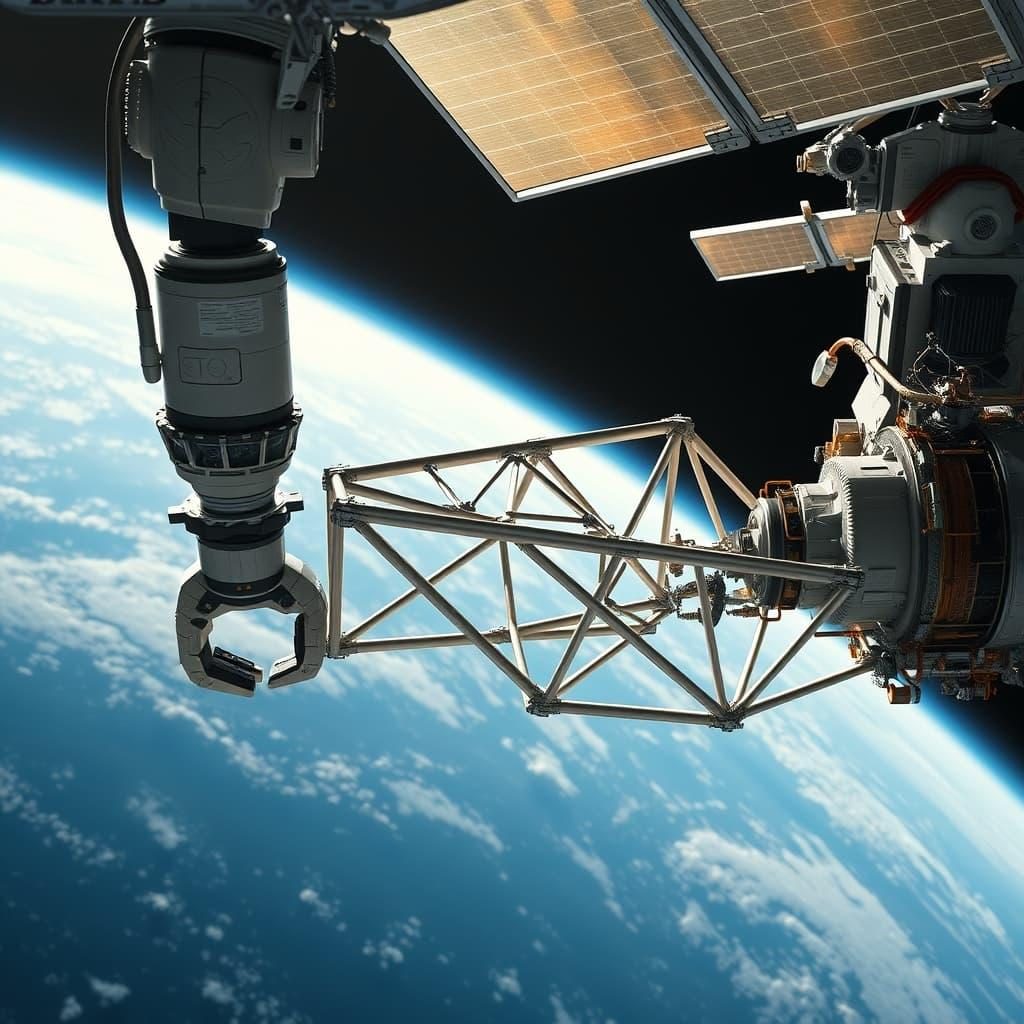
Researchers at the California Institute of Technology developed a robotic truss builder called ASTRA as part of a programme funded by the US Defense Advanced Research Projects Agency. The machine successfully assembled an initial section of a structure while operating in orbit.
The system works by collecting structural tubes and connecting joints from nearby storage units. It then positions and joins the pieces into repeating sections called bays, gradually creating a larger framework. The planned structure is part of a lightweight reflector antenna measuring approximately 1.4 metres across.
The achievement is significant because launching large structures from Earth is expensive and technically difficult. Spacecraft must fit inside launch vehicles, which places strict limits on their size and shape.
Building structures directly in orbit could eventually allow engineers to create much larger antennas, telescopes and other equipment than could easily be transported in one piece.
There is an important distinction, however: the robot demonstrated that it could assemble an initial section, not a fully completed antenna. The experiment also revealed technical challenges that researchers need to solve.
Even so, it marks an important step toward a future in which robots could construct and repair equipment in space before astronauts ever arrive.
Send to a friend
Make someone's day with a card made from this find.