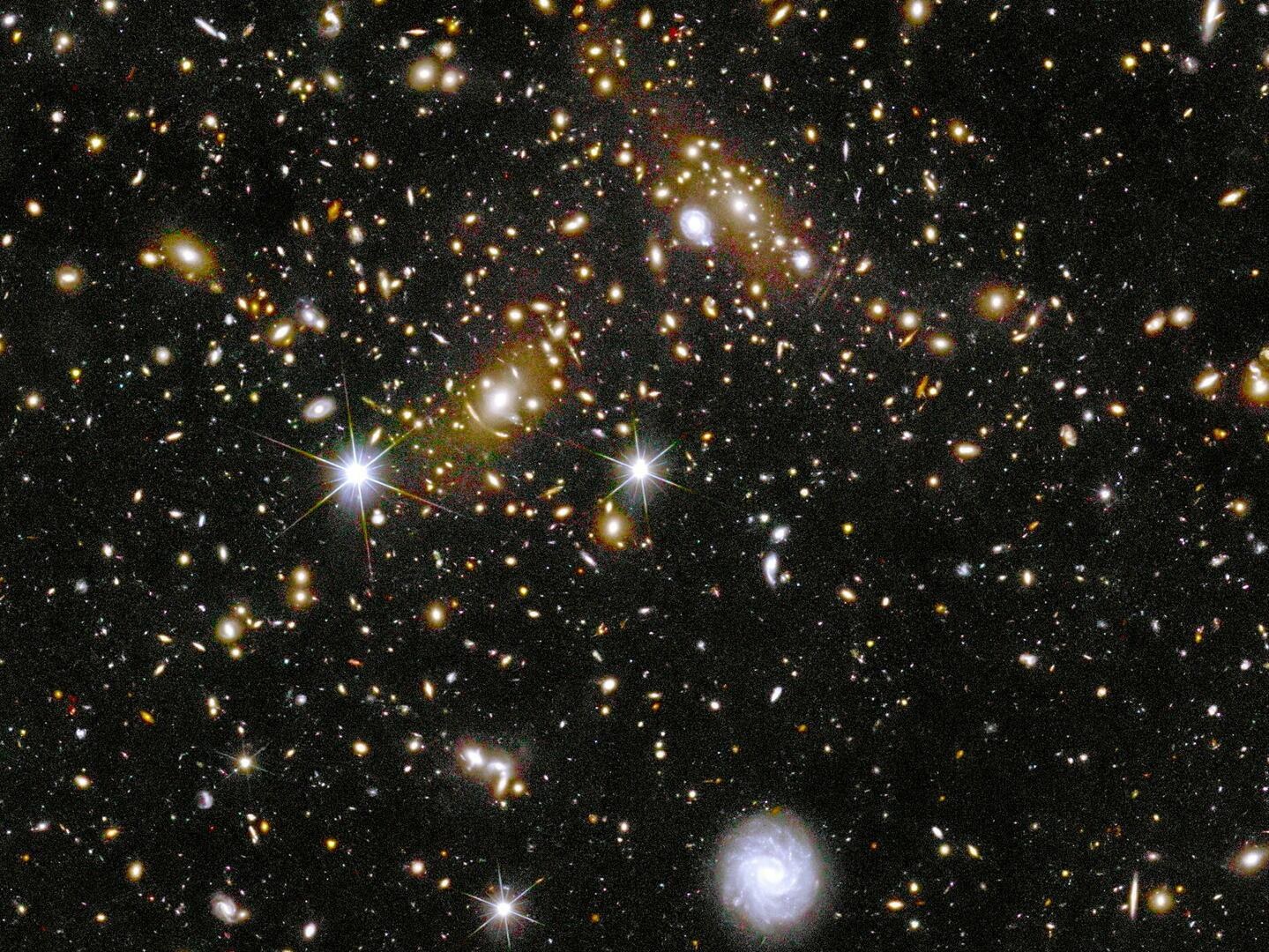

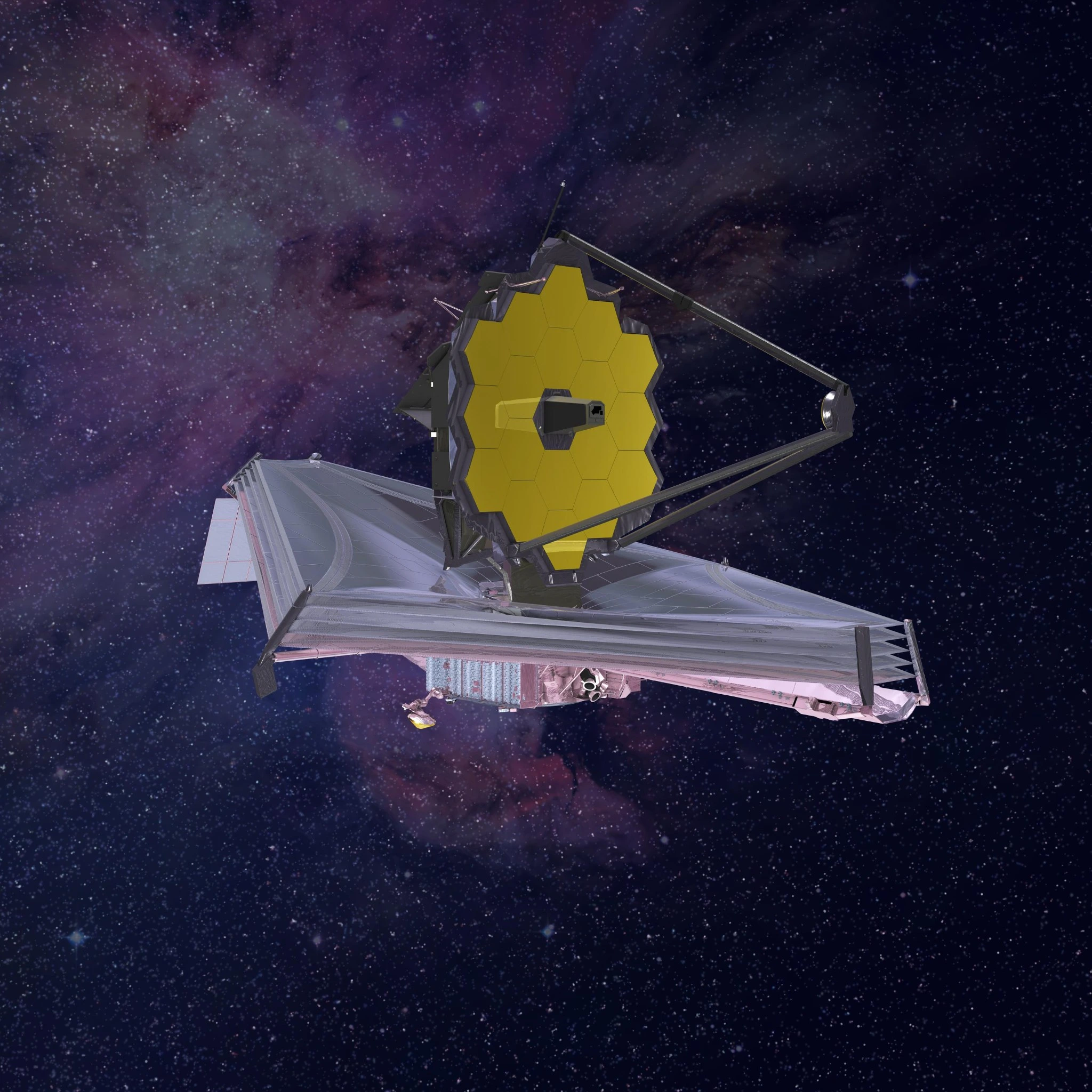



Imagine creating a map of the universe so enormous that it contains around a billion catalogued objects. That’s the scale of the European Space Agency’s Euclid space telescope, which released its first major collection of scientific data in November 2026.
The observations cover an area of sky equivalent to roughly 9,500 full Moons.
The release includes more than 900 million galaxies and over 15,000 candidates for strong gravitational lensing. This phenomenon happens when the gravity of a massive object bends and magnifies light from something farther away.
Studying these distorted images can help scientists investigate dark matter, dark energy and the structure of the universe. And this is only an early chapter: the data covers a fraction of Euclid’s planned six-year survey.