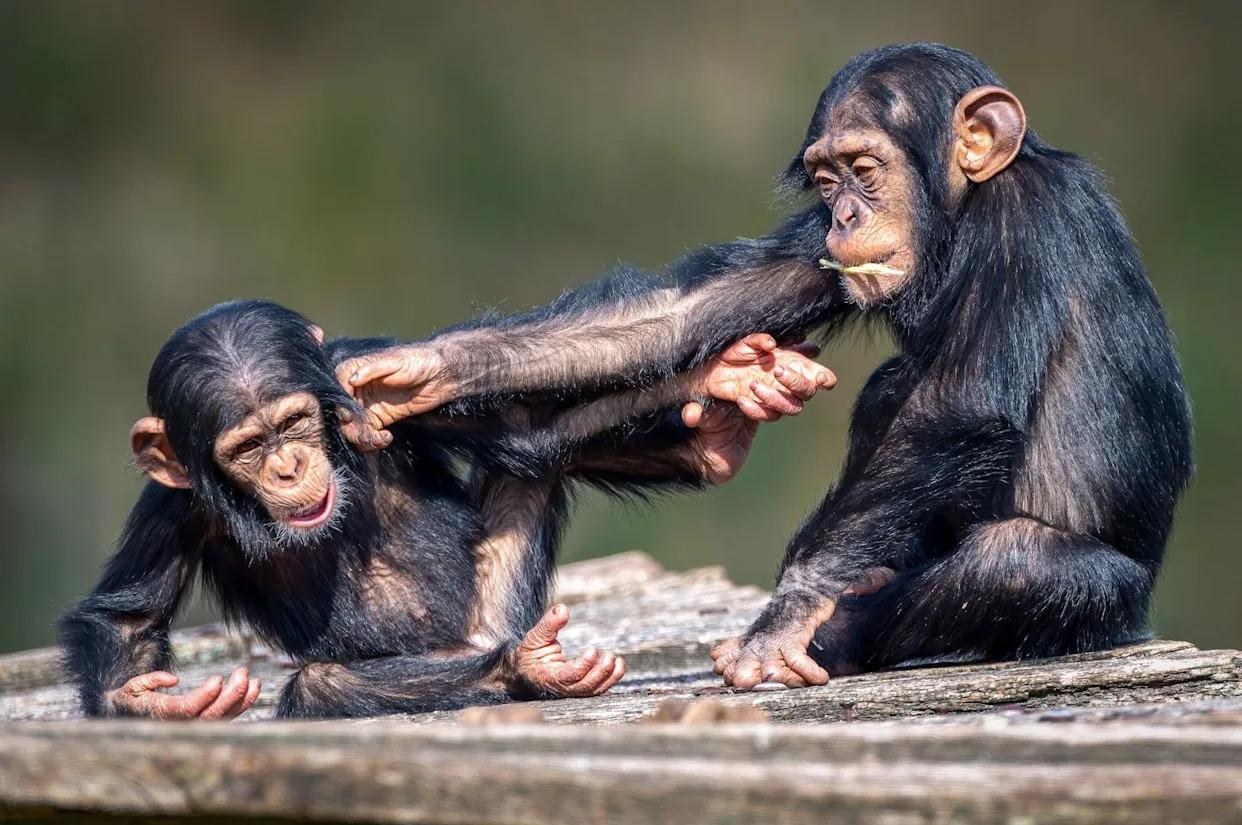

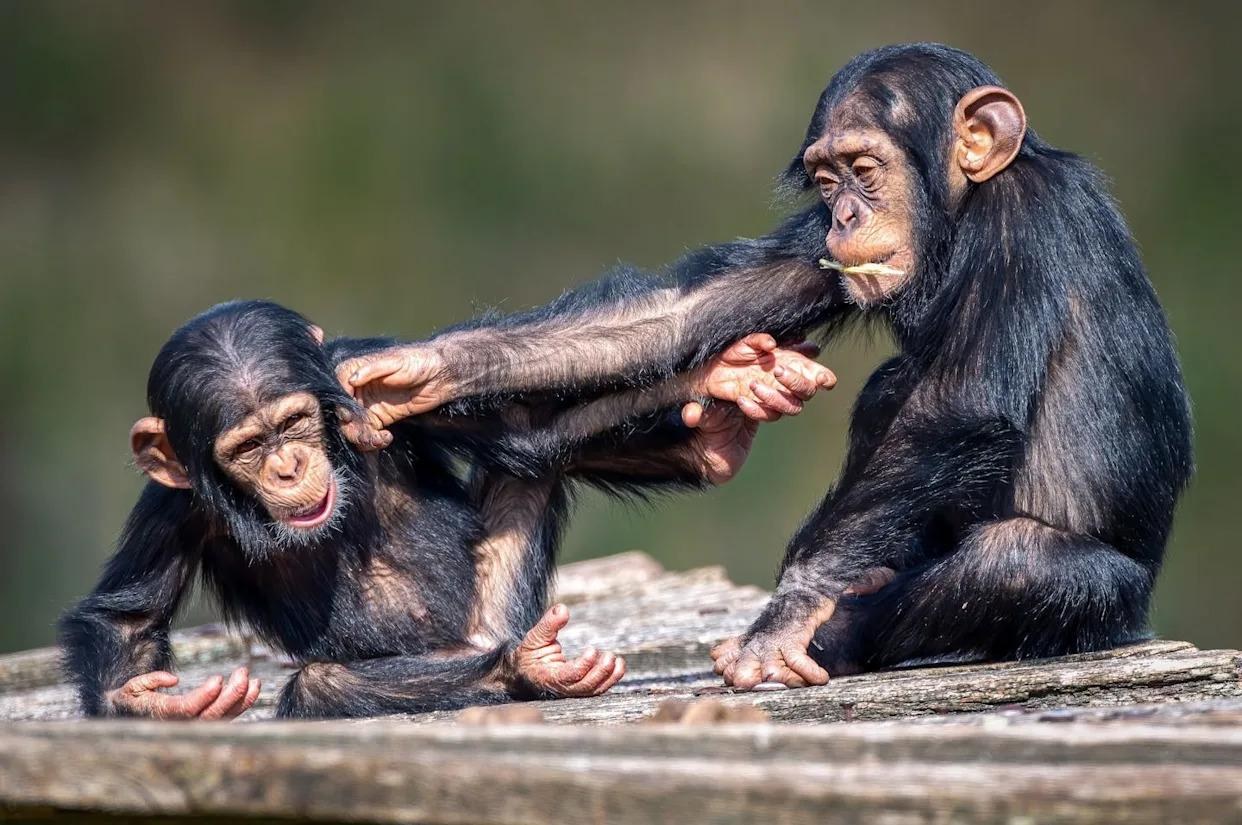










Humans are not the only animals whose communication can be shaped by social groups. New research suggests that chimpanzees can develop shared ways of using signals by learning from experienced members of their communities.
A study published in the Proceedings of the National Academy of Sciences in November 2026 examined how chimpanzees use a particular vocal signal known as a raspberry. Researchers compared groups with and without experienced adult role models.
They found that chimpanzees exposed to adults who regularly used the signal developed more consistent patterns of communication. In groups without those experienced models, the way individuals used the signal remained more variable.
This is important because it suggests chimpanzees do more than simply produce sounds according to instinct. Their social environment can influence how they use particular signals, creating conventions shared by members of a group.
The findings do not mean chimpanzees have human-like language or grammar. Their communication systems remain very different from ours. But the research adds evidence that social learning plays a significant role in the development of animal communication.
It also offers another clue about the possible evolutionary foundations of human language: some of the social processes that help communication systems become shared may have much older roots than previously understood.