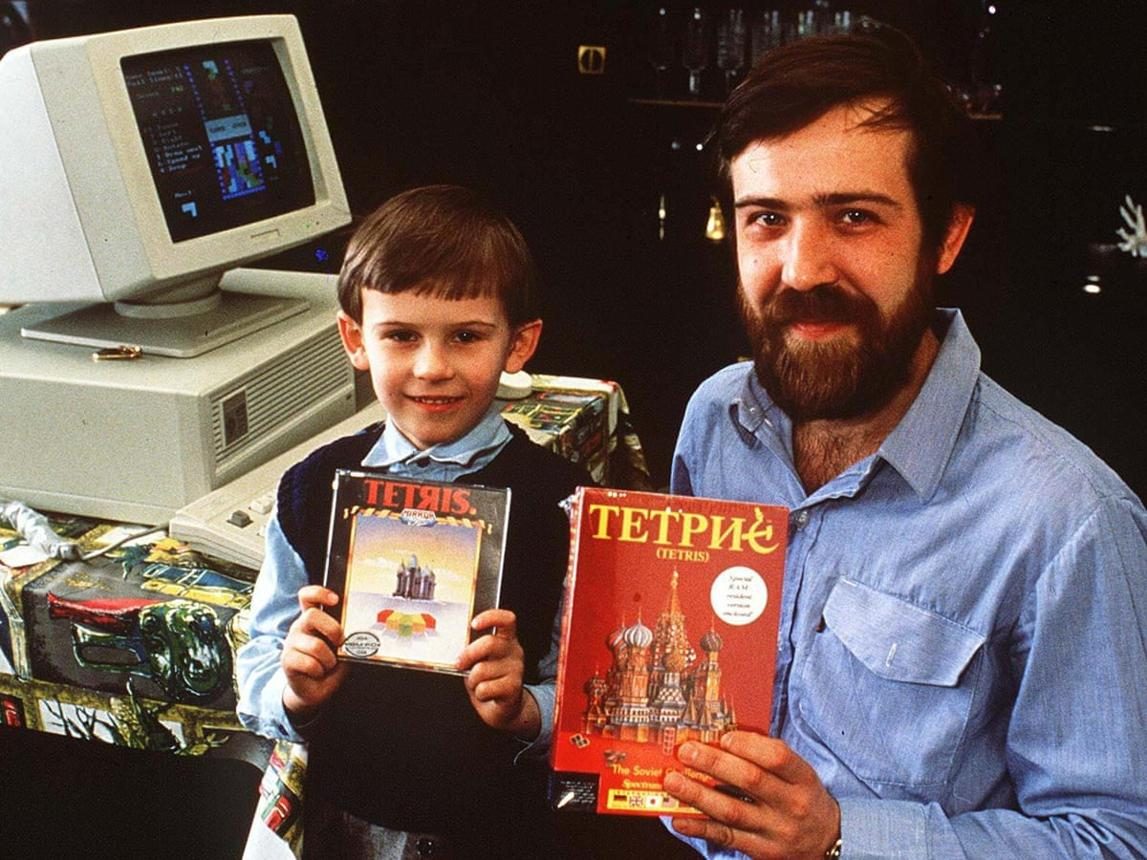





One of the world's most recognizable video games was created by a computer programmer in the Soviet Union, not by a major gaming company.
In 1985, Russian computer scientist Alexey Pajitnov developed Tetris, a puzzle game inspired by arranging geometric shapes. Players had to rotate and position falling blocks to complete horizontal lines, which would then disappear and create more space.
The concept was simple, but incredibly addictive. The game gradually spread beyond the Soviet Union before becoming a global hit. A major turning point came in 1989, when Nintendo bundled Tetris with the original Game Boy in many markets. Suddenly, millions of people could play it wherever they went.
Decades later, the game remains popular across consoles, computers and mobile devices. It's proof that a simple idea, when designed well, can survive generations of gaming technology.