EJE Belgrade gives the Japanese listening bar a space-age twist
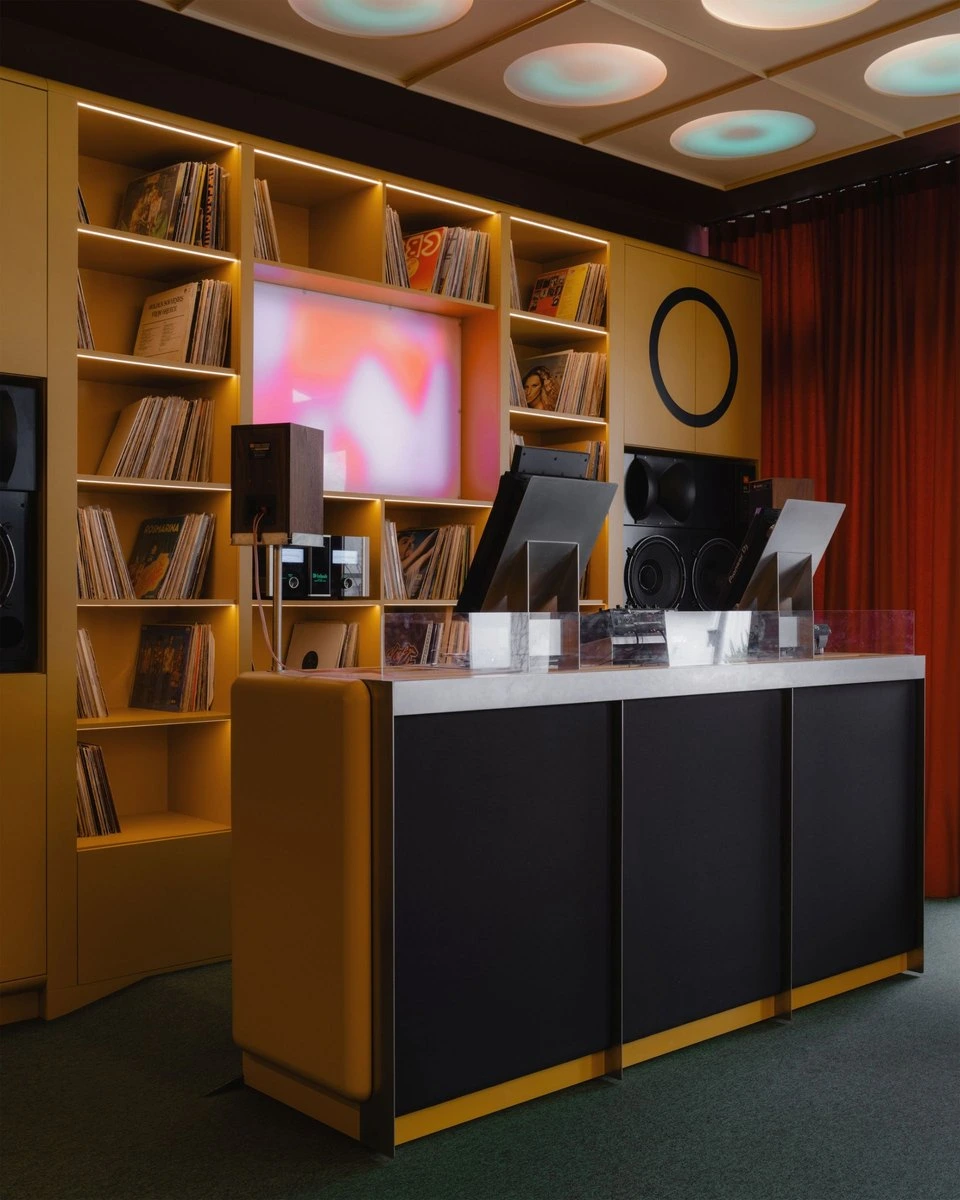
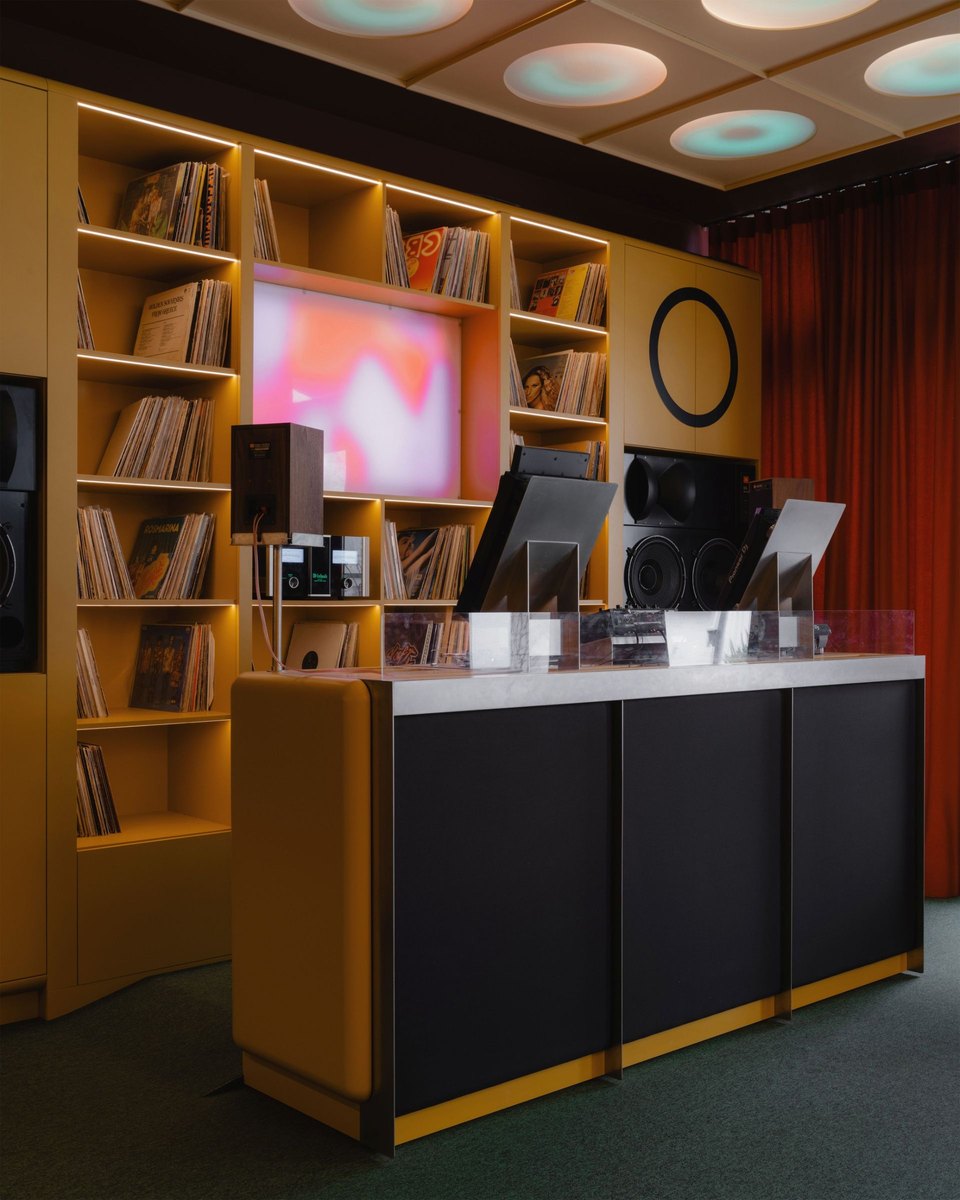
Belgrade has never lacked architectural tension: neoclassical façades, Yugoslav brutalism, socialist-era futurism and everyday urban grit all coexist, which makes the arrival of a new eclectic hybrid entertainment venue feel oddly at home.
Esthetic Joys Embassy (EJE) inhabits a 1927 villa in Dorćol, originally built for Edvard and Danica Vlajić Zamboni, a prominent and intellectual couple of the time, and designed by Serbian architect Branislav Kojić, with interiors by his wife, Danica Kojić.
The building later served as the Kap mleka milk dispensary and, in the 1960s and 1970s, as Iran’s diplomatic mission in Belgrade. Today, it houses Pavilion Hotel and EJE Belgrade: a hotel, dining room, bar and discotheque under one roof.
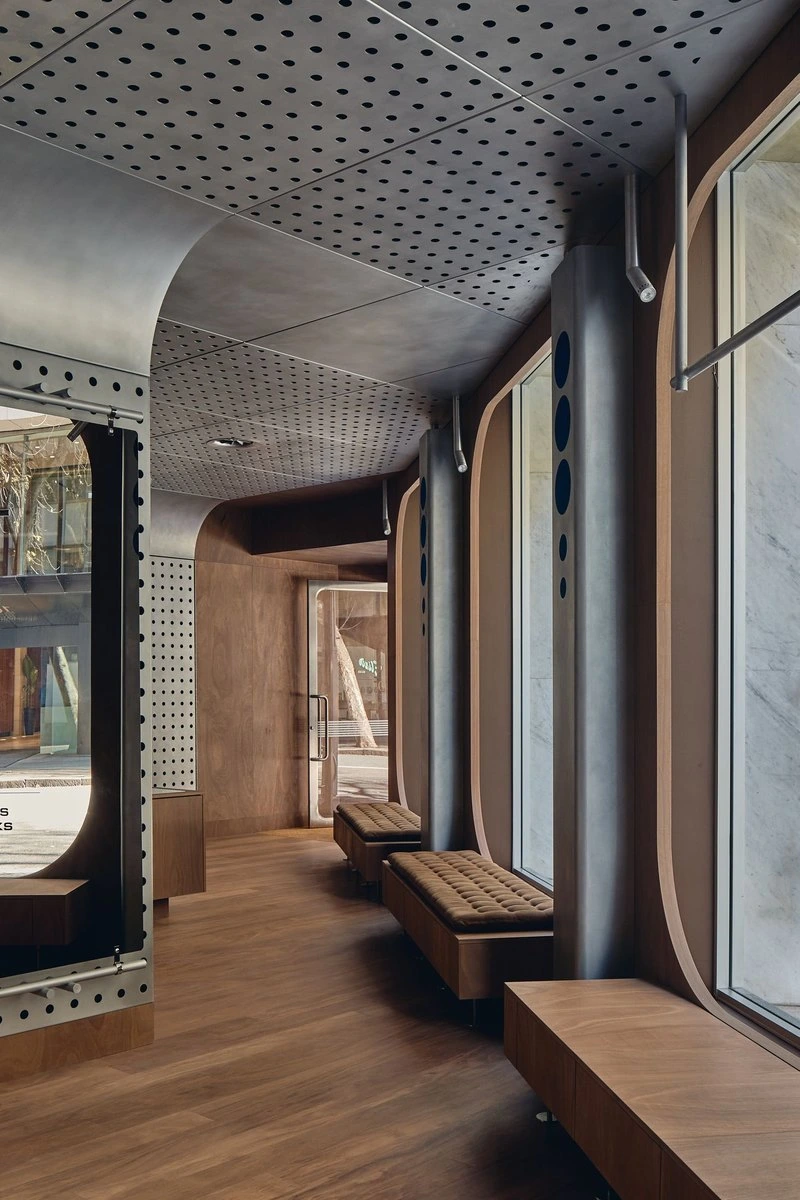
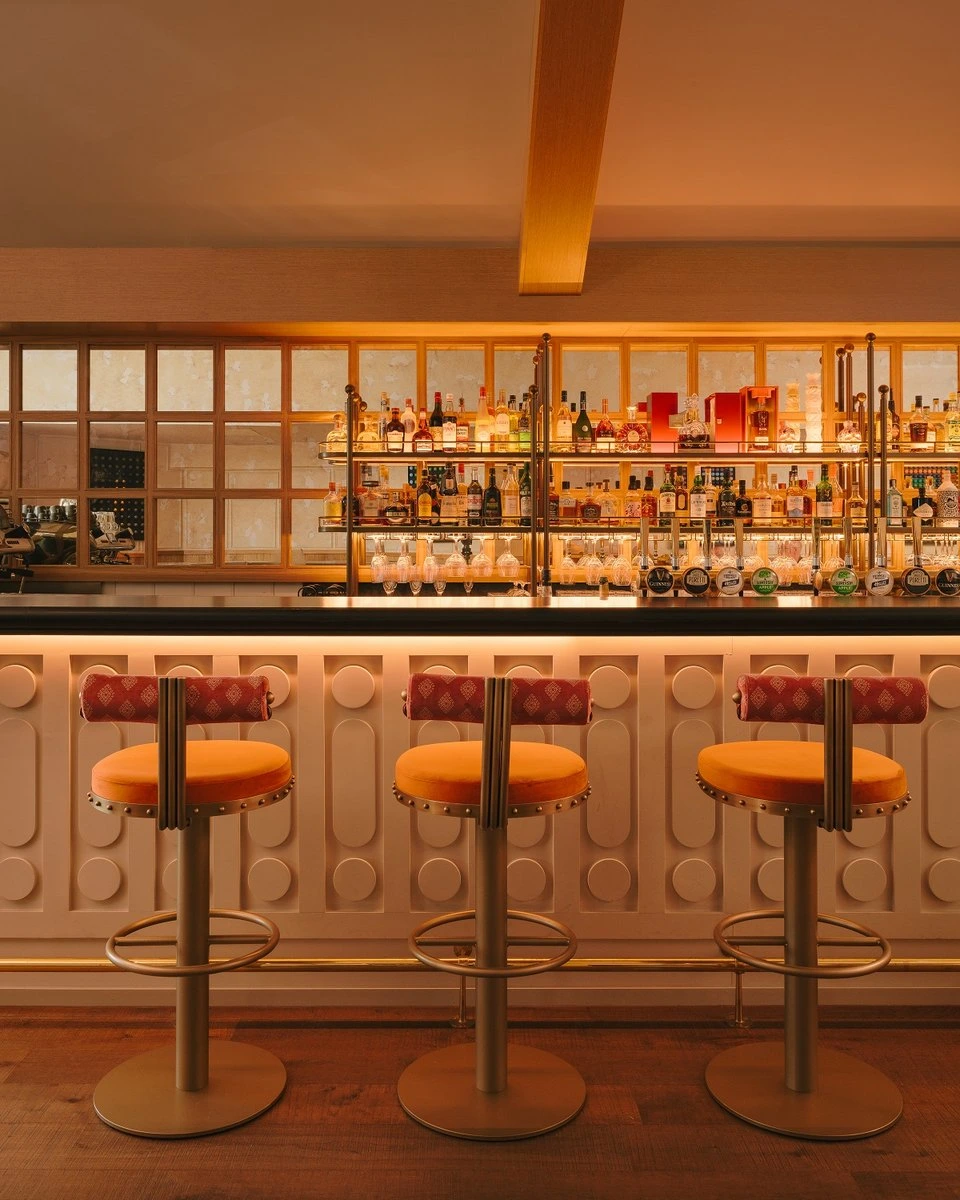
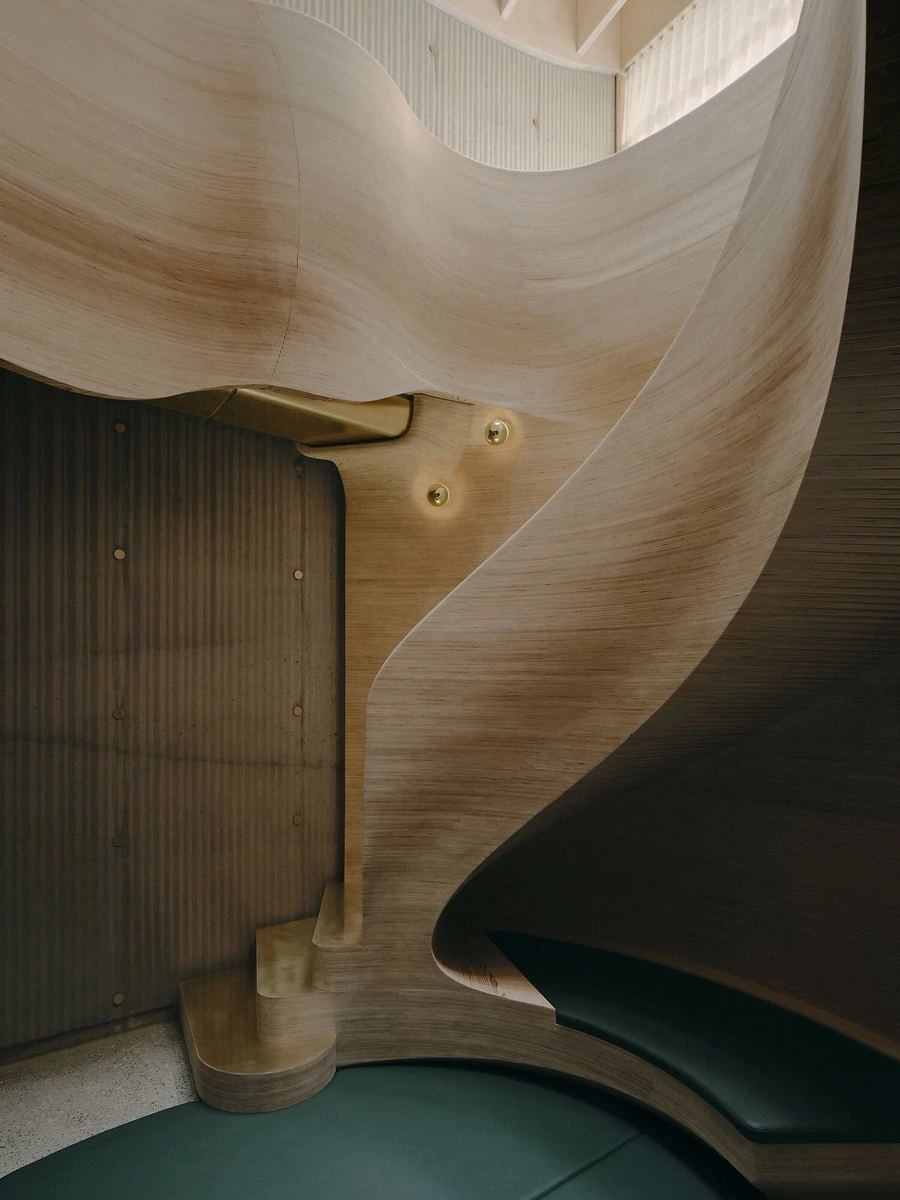
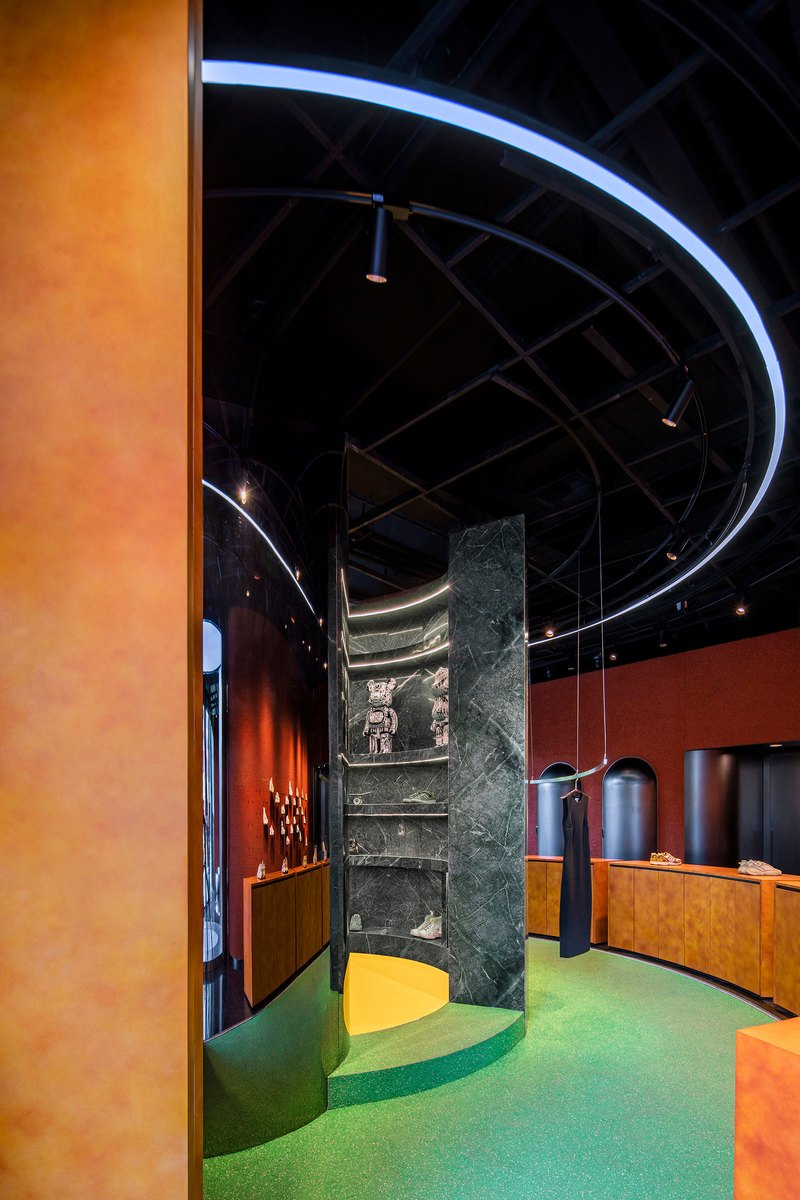
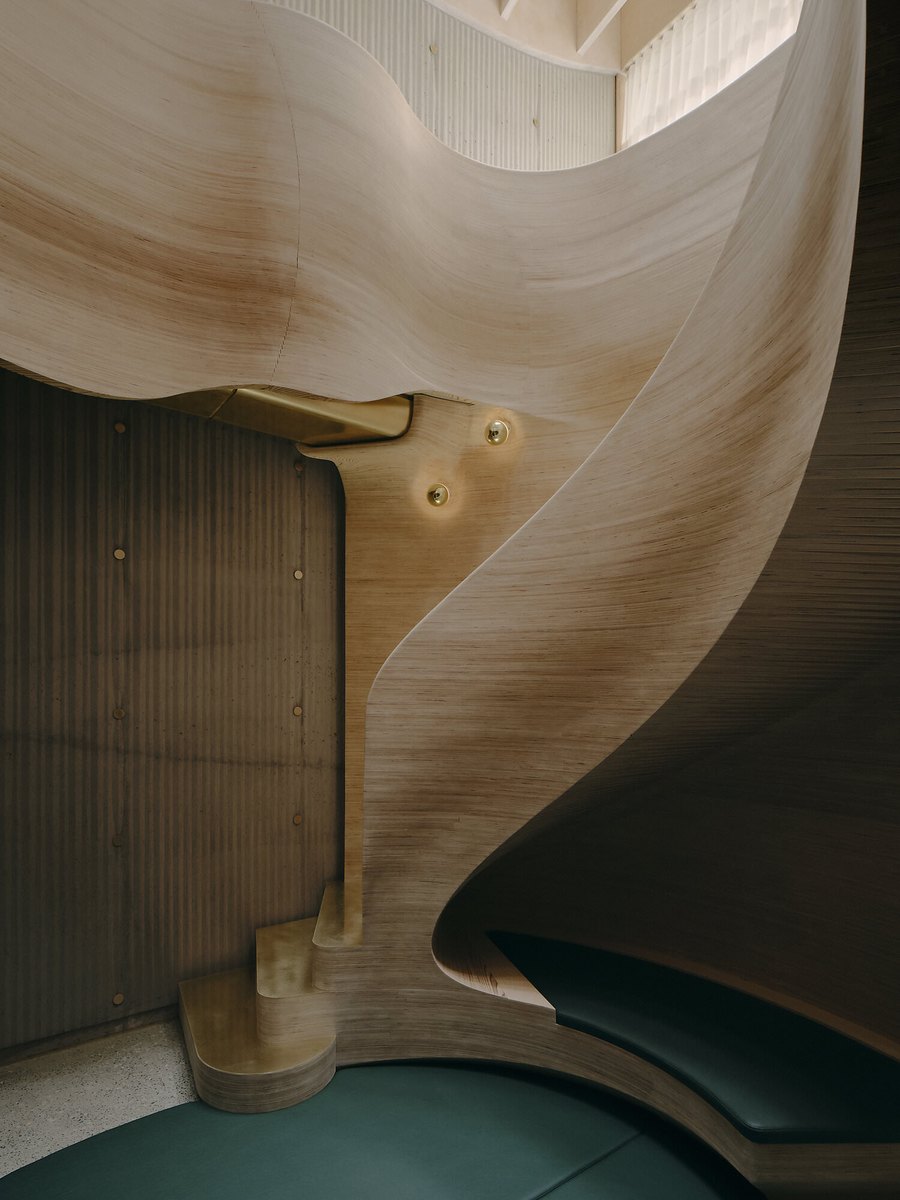
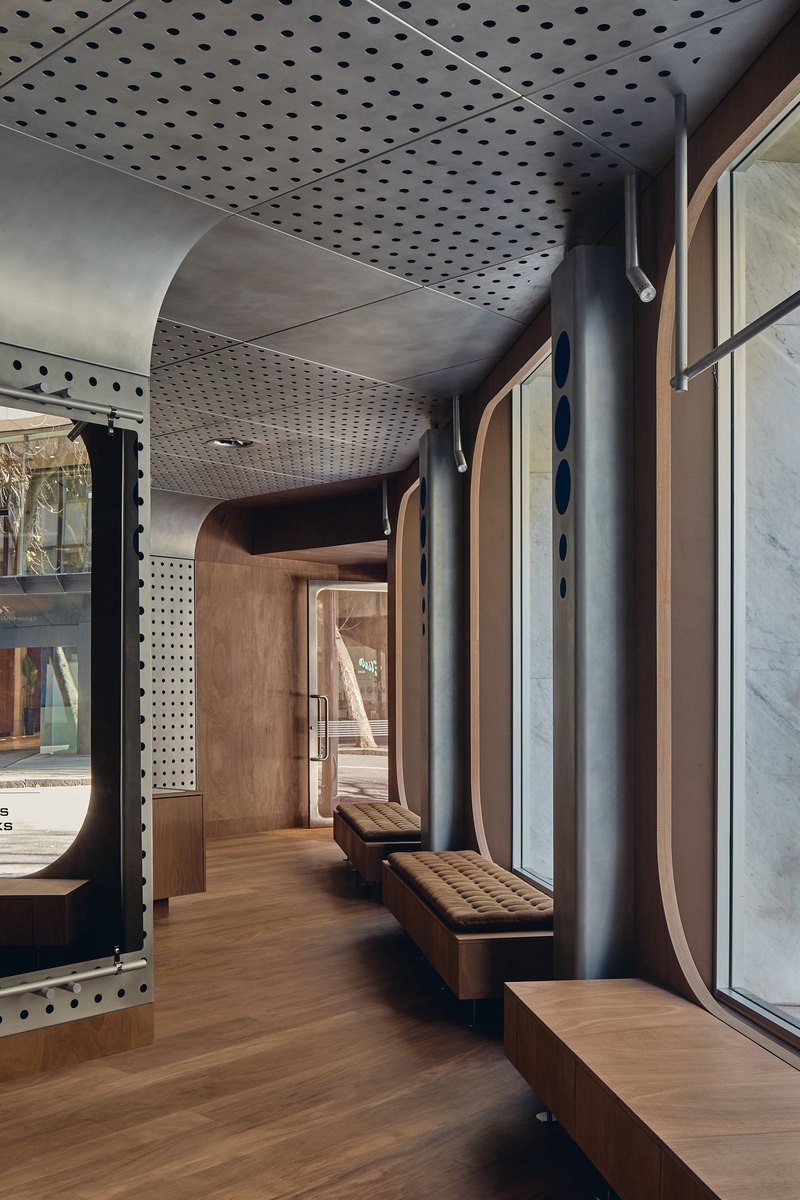
Wallpaper* dines at Esthetic Joys Embassy, Belgrade The mood: Yugoslav kiosk meets Japanese listening bar (Image credit: Courtesy of Supaform) Dreamt up by Paris-based studio Supaform, EJE emulates late-1950s and early-1960s Yugoslav modernism, when optimism arrived in aerodynamic forms and modular civic structures.
The key source of inspiration is industrial architect Saša Mächtig’s 1966 K67 kiosk : a rounded, portable, if not slightly utopian, shape-shifting system of modular fibreglass structures mass-produced until 1999.
Send to a friend
Make someone's day with a card, a note or a quick message.
Send to a friend
Make someone's day with a card, a note or a quick message.
Send this to a friend
Make their day with a beautiful card and a note from you.