Free-Range Eggs May Taste Different From Caged Eggs

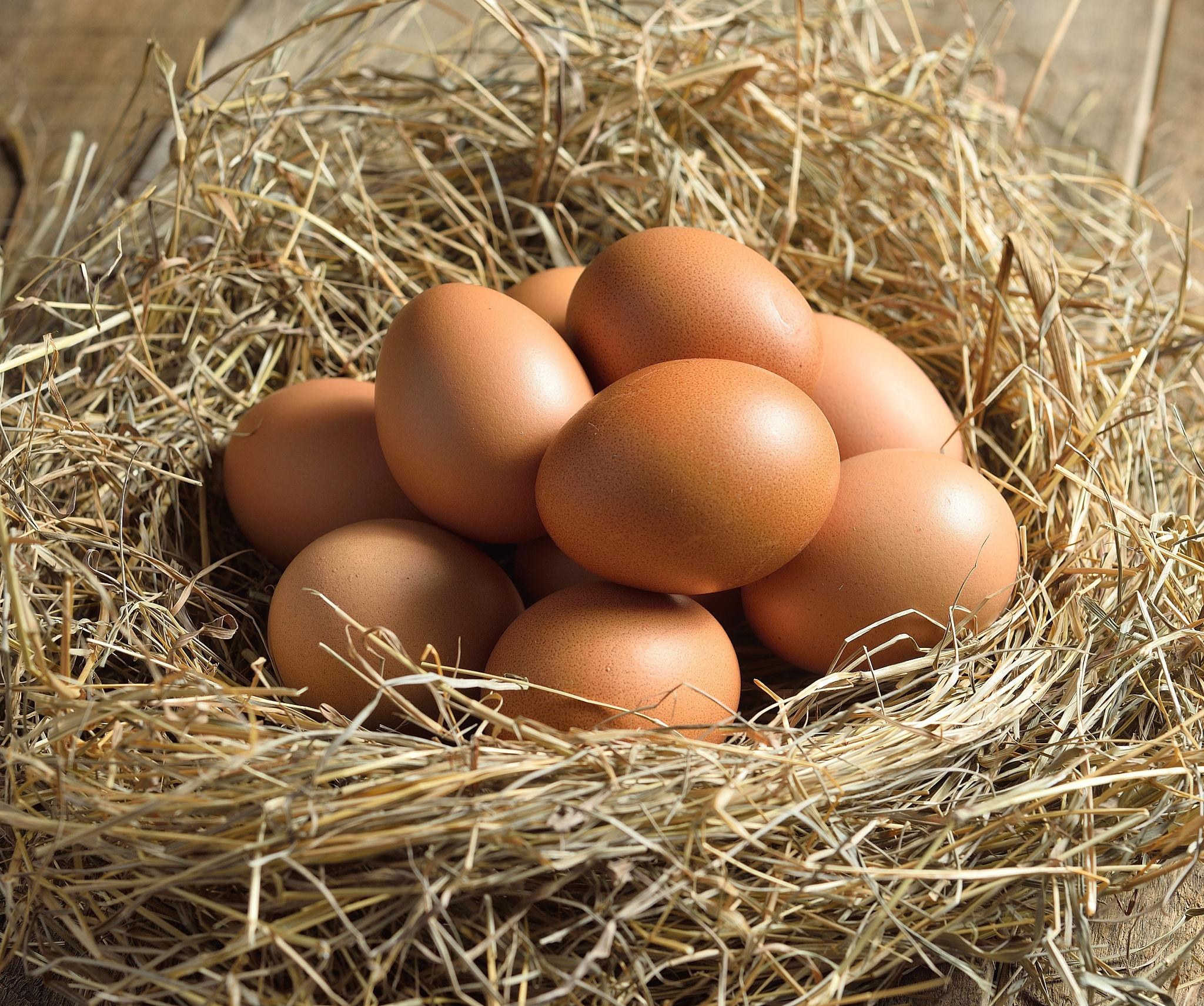
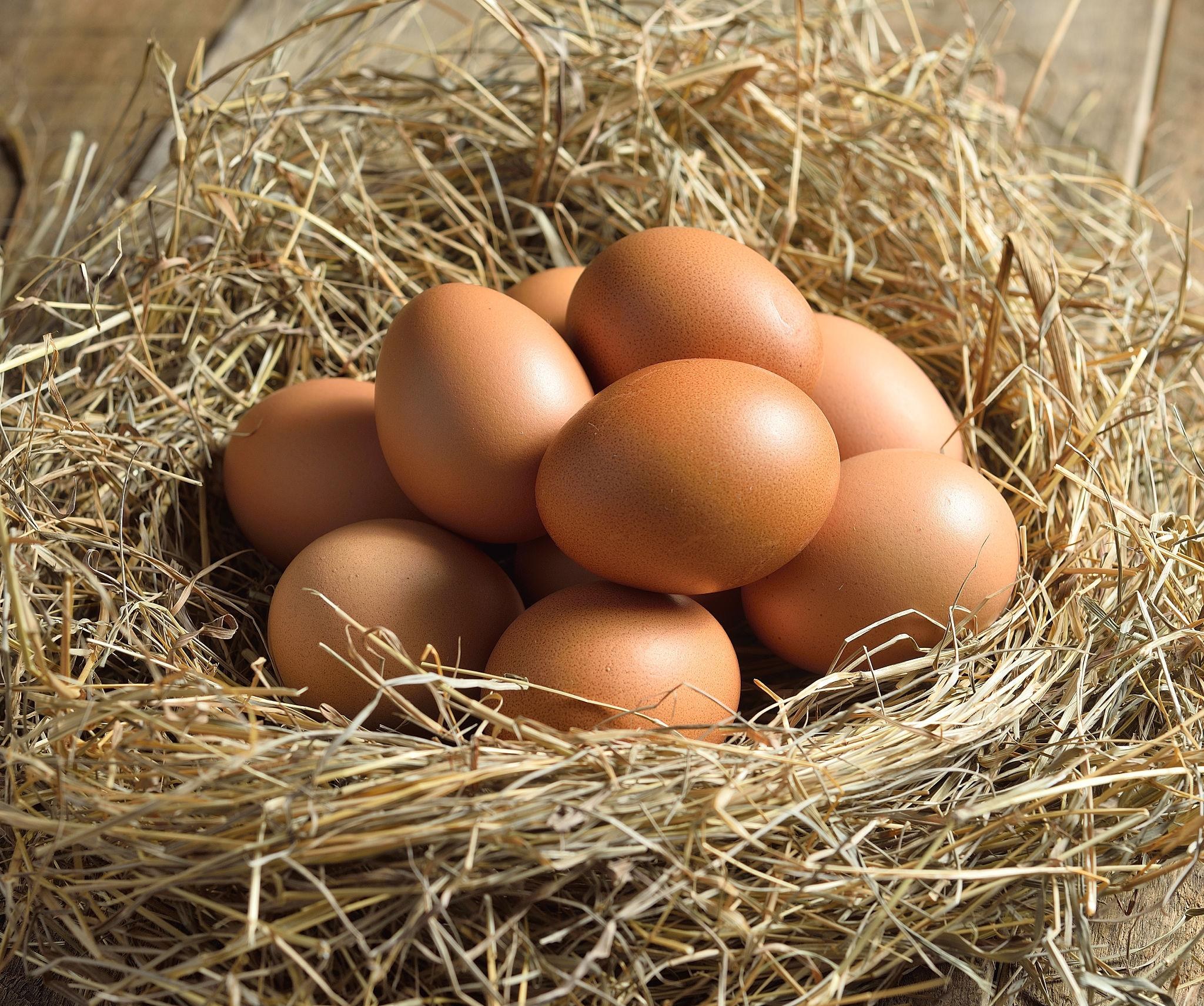
Not all eggs may taste exactly the same, even when they come from chickens eating identical food. Researchers in Japan have found that the way hens are housed can influence the flavour of the eggs they produce.
A team led by Tokyo University of Agriculture and Technology raised chickens in both conventional cages and free-range environments under controlled conditions. They then compared the eggs using chemical analysis and taste evaluations involving 107 members of the public.
The results revealed some interesting differences. Eggs from caged hens were associated with greater creaminess, while eggs from free-range hens had stronger umami and smoothness characteristics.
Researchers linked these differences to changes in the metabolism of the chickens. Free-range hens were more physically active, which was associated with differences in amino acid metabolism and compounds found in the egg white.
The caged hens showed differences in lipid metabolism that influenced the composition of the yolk.
The team also prepared two dishes: pudding and Japanese chawanmushi, a savoury steamed egg custard. Their findings suggested that the different egg characteristics could become more noticeable depending on how the eggs were cooked.
The study does not establish that one production system always produces better eggs. Instead, it suggests that flavour can be influenced by the animals’ living conditions, creating differences that may matter to cooks and food producers.
Send to a friend
Make someone's day with a card made from this find.