


Old explosives hidden in national parks reveal forgotten dangers.
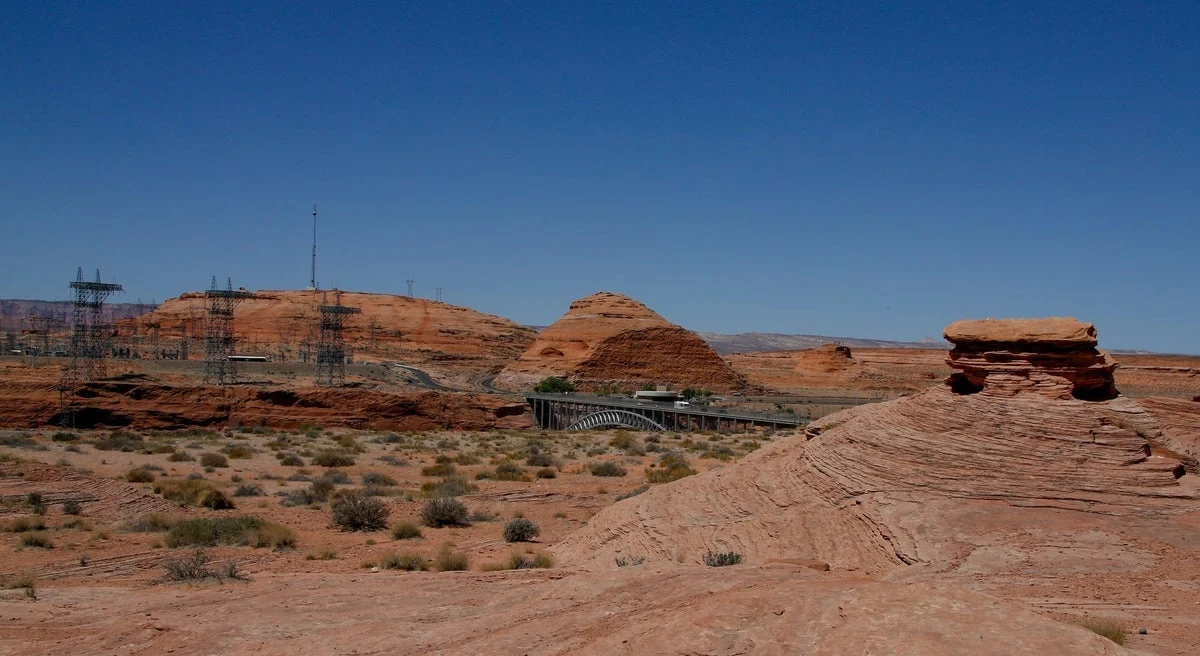
At Glen Canyon Dam in Arizona, workers discovered detonation cord from the 1950s and 1960s, leading to the temporary closure of a recreation area near Lake Powell. The cord, used during the dam's construction, was found along a restricted service road and is still considered a potential hazard.
In Maryland, unexploded Civil War-era cannonballs were embedded in the base of the O.T. Reilly Monument at Antietam National Battlefield. These were part of a collection placed there in 1927 by local historian Oliver T. Reilly. Explosive ordnance disposal teams were scheduled to remove the ammunition.
The National Park Service has developed procedures for handling such discoveries, including guidelines for museum collections and safety protocols. In 2022, the agency began reviewing potentially explosive items, and in 2023, it updated procedures after an incident involving a live 19th-century cannonball.
These findings highlight the hidden hazards that can persist in places long after their original purpose is forgotten. At Glen Canyon, the dam’s construction in 1956 involved significant blasting, and remnants of that work are now resurfacing decades later.