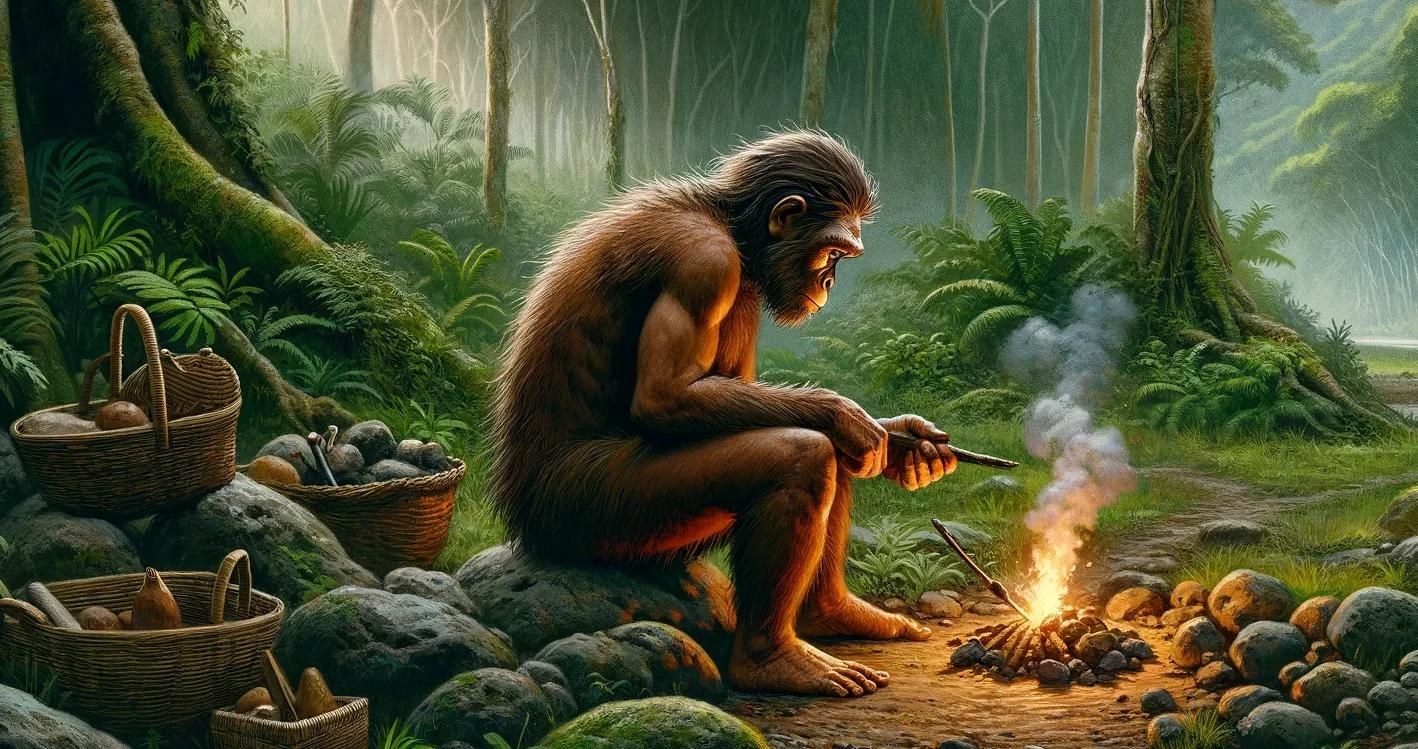











For a long time, scientists associated Homo erectus with open woodlands and grassland environments. But a remarkable discovery in southern China is challenging that picture. Researchers identified ancient human teeth from two caves in Guangxi, dating between approximately 324,000 and 184,000 years ago.
By examining the teeth, their preserved proteins and chemical signatures, scientists found evidence that these ancient humans lived in dense rainforest environments. This suggests that Homo erectus could adapt to much more complex ecosystems than previously assumed.
The findings also extend the known timeline of this species on mainland China, showing that it survived in the region far later than earlier fossil evidence had indicated.
Would you try this?
Over to you!Been? How was it?
No comments yet.Be the first.
Over to you!
Seen something just as good? Tell everyone.
Add it in the comments. Your find could be the next one people save.Loved this?
Save it to My BEST
Send it to a friend
Follow Nature for more like this
Share your bestYour post could be the next one here.