In an Age of Excess, Quiet Is the Rarest Luxury
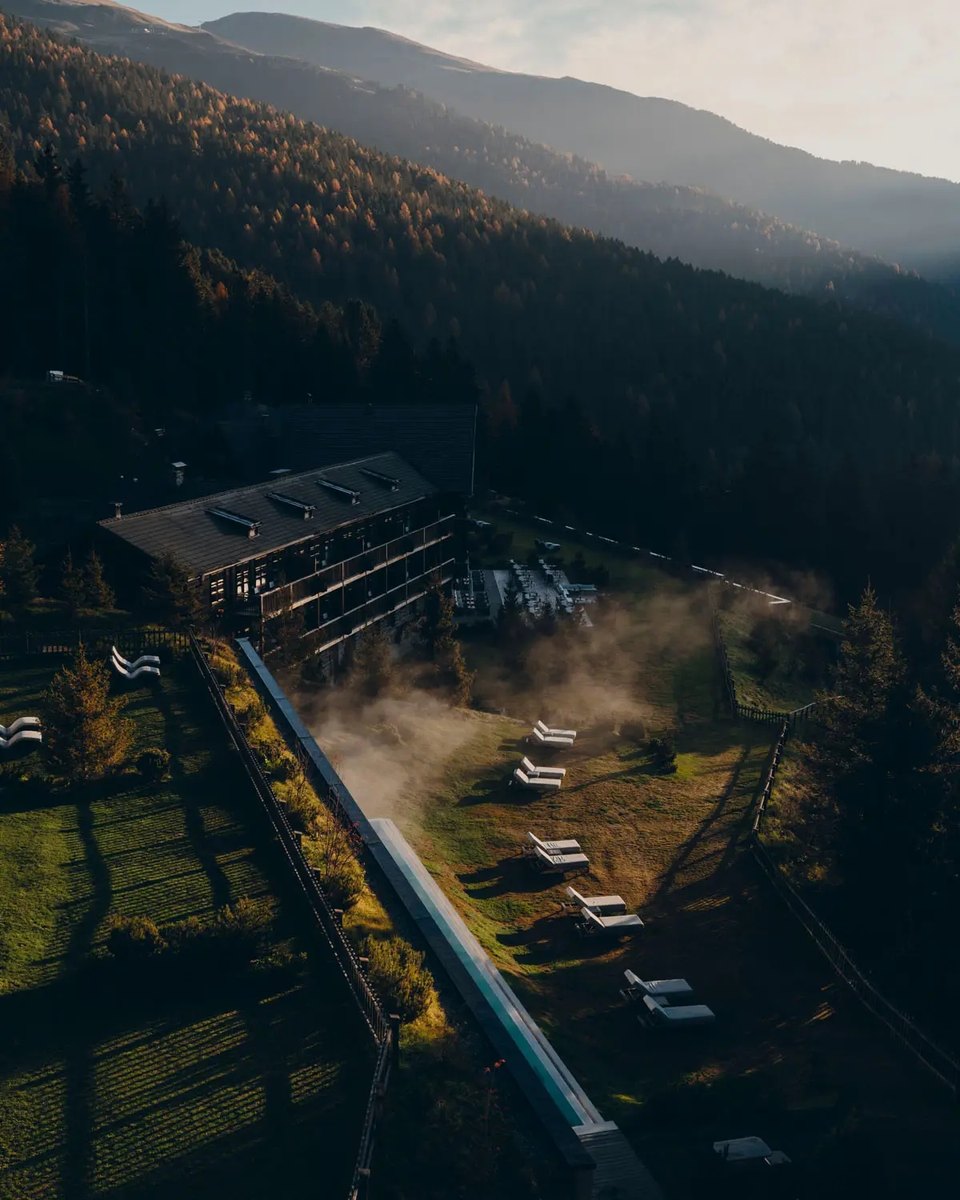
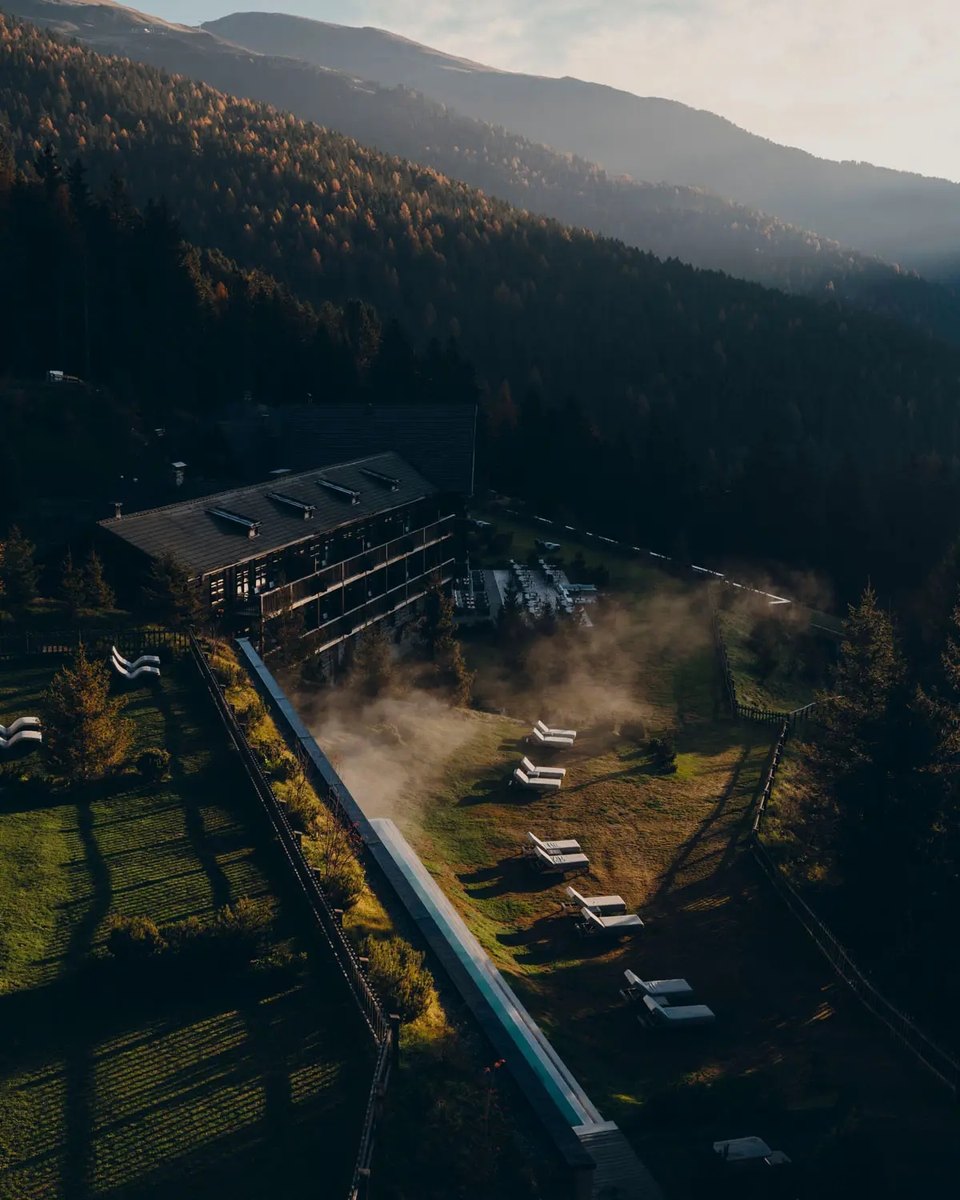
Image courtesy of Amanemu, Aman. Luxury once promised more: larger suites, richer materials, elaborate restaurants, expansive spas and access to experiences unavailable to everybody else.
For a growing number of affluent travellers, however, the more desired proposition may now be precisely the opposite – with less noise, fewer people and possibly, fewer demands. The economics already suggest that wellbeing has become a particularly valuable form of travel.
According to the nonprofit Global Wellness Institute's 2025 Global Wellness Economy Monitor, wellness travel accounted for just 8.3 per cent of tourism trips worldwide in 2024 but generated 17.6 percent of total tourism spending.
International wellness travellers spent an average of USD 1,637 per trip — 38 per cent more than the typical international tourist — while domestic wellness travellers spent 137 per cent more than their counterparts.
The institute notes that wellness travellers tend to be more affluent, educated and well-travelled, with a greater willingness to spend on experiences and amenities supporting their wellbeing. For Asia, the shift is particularly relevant.
Asia-Pacific surpassed Europe in both 2023 and 2024 to become the region recording the largest number of wellness trips. However, the numbers cannot quite capture the growing scarcity of quiet itself.
Send to a friend
Make someone's day with a card, a note or a quick message.
Send to a friend
Make someone's day with a card, a note or a quick message.
Send this to a friend
Make their day with a beautiful card and a note from you.