
Hidden among the forests of Croatia is a remarkable landscape where lakes, waterfalls, and natural limestone barriers continuously shape one another.
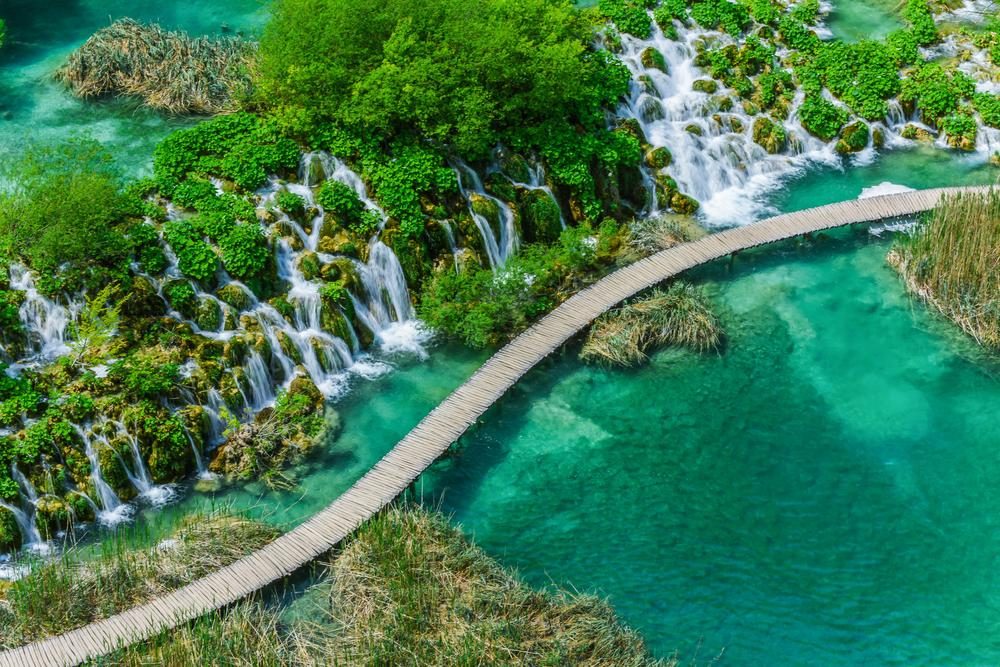
Plitvice Lakes National Park contains 16 named lakes connected by a series of waterfalls and cascading streams. Their brilliant colors range from turquoise and emerald green to deep blue, depending on the minerals, organisms, sunlight, and water conditions.
What makes this place especially fascinating is how its lakes were formed. Water flowing over limestone and other mineral-rich rock deposits calcium carbonate, creating natural barriers known as tufa or travertine.
Over thousands of years, these barriers have gradually developed into natural dams that hold back water and create new lakes and waterfalls.
And the process has not stopped. These mineral formations continue to grow and change, meaning the landscape is constantly evolving.
Visitors can explore wooden walkways, forest trails, viewpoints, and waterfalls while discovering one of Europe’s most extraordinary natural environments.
Where: Plitvice Lakes National Park, Croatia.
Worth knowing: The park is a UNESCO World Heritage Site. Visitors should stay on designated paths and avoid touching or disturbing the delicate natural barriers.