Nature’s Tiniest living Lightbulbs!

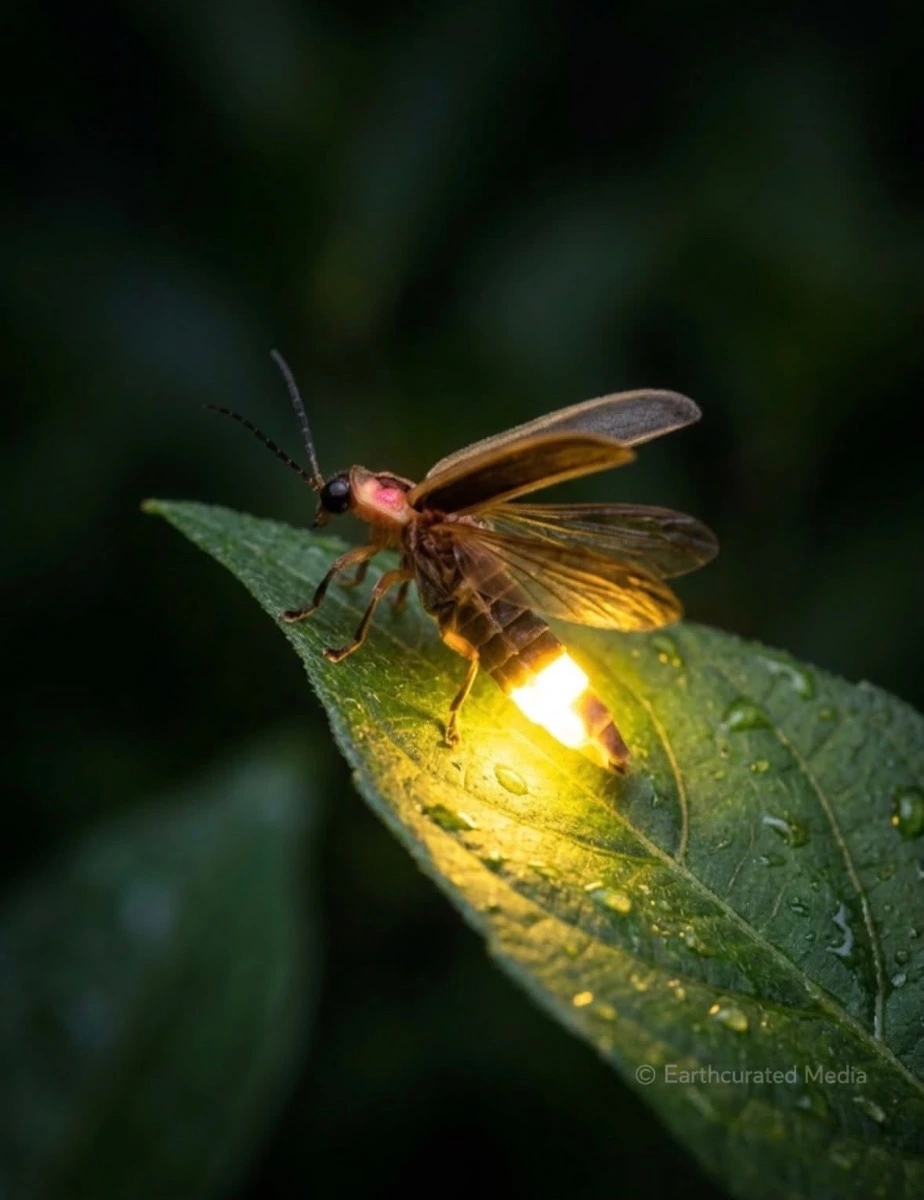
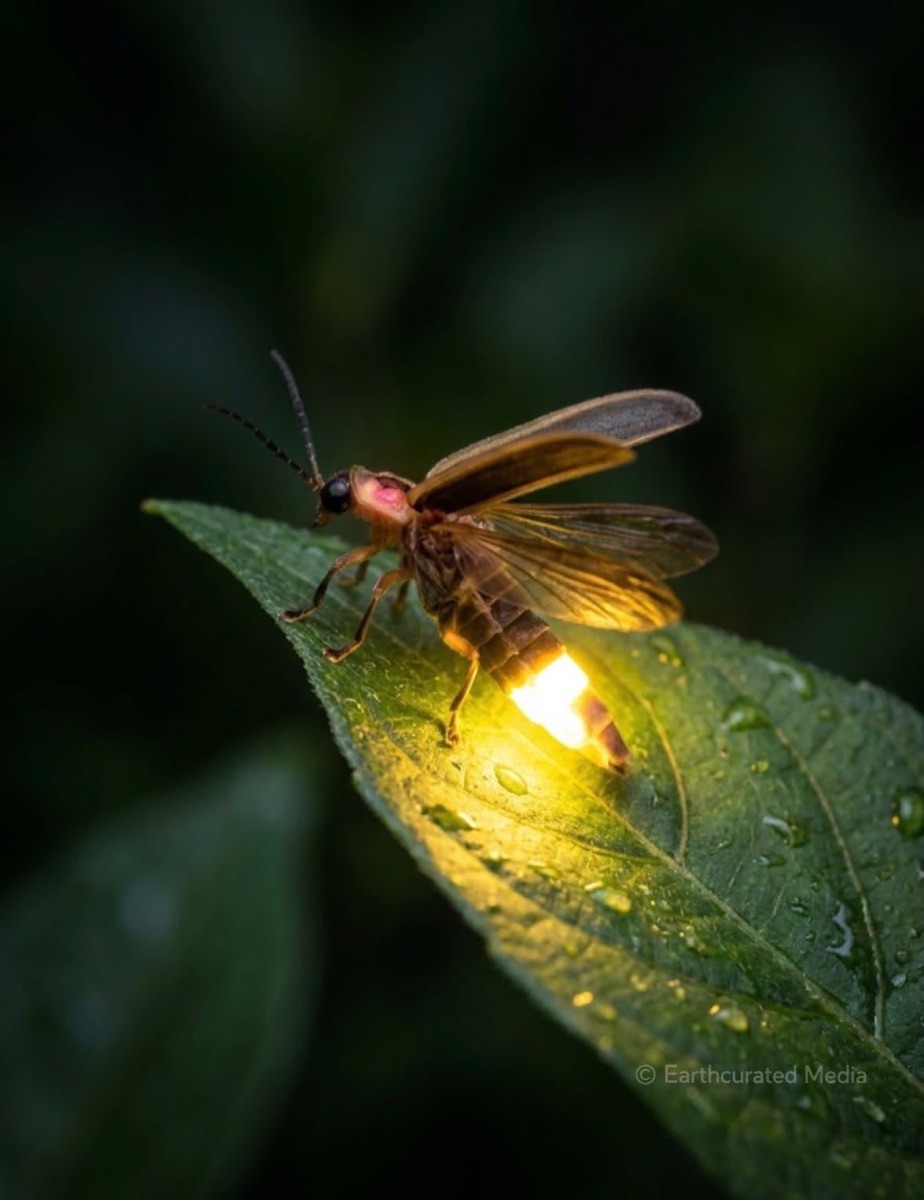
Imagine a beetle that can produce its own light without batteries, wires or electricity. Fireflies do exactly that, using one of nature’s most fascinating chemical reactions.
HERE’S THE SCIENCE BEHIND THEIR GLOW 👇
THEIR LIGHT COMES FROM A CHEMICAL REACTION. Fireflies produce light through a process called bioluminescence, involving a molecule called luciferin and an enzyme called luciferase.OXYGEN HELPS CREATE THE GLOW. When luciferin reacts with oxygen in the presence of luciferase and energy, light is produced.IT’S INCREDIBLY EFFICIENT. Firefly light is often called “cold light” because very little energy is released as heat compared with ordinary incandescent bulbs.THEIR FLASHES ARE A FORM OF COMMUNICATION. Many fireflies use specific flashing patterns to attract potential mates and recognise others of their species.THEIR LIGHT CAN ALSO BE A WARNING. In some species, glowing signals to predators that the fireflies contain defensive chemicals and may taste unpleasant.
The incredible part? Fireflies turn chemical energy into visible light inside their own bodies, creating one of nature’s most efficient lighting systems.
Have you ever seen a field full of glowing fireflies?
Source: NerdSip, “Firefly Physics: Nature’s Living Lights”
Send to a friend
Make someone's day with a card, a note or a quick message.
Send to a friend
Make someone's day with a card, a note or a quick message.
Send this to a friend
Make their day with a beautiful card and a note from you.
Would you try this?
Over to you!Love it? Say why.
No comments yet.Be the first.
Over to you!
Seen something just as good? Tell everyone.
Add it in the comments. Your find could be the next one people save.Loved this?
Save it to My BEST
Send it to a friend
Follow Nature for more like this
Share your bestYour post could be the next one here.