








For more than six decades, the Seiko Prospex line – short for “Professional Specifications” – has occupied a singular place in sports timekeeping, if not in timing.
Rather than treating dive watches as luxury signifiers styled after functional templates, Seiko developed this type of watch through rigorous field trials in extreme environments.
From the freezing isolation of Antarctica with the Japanese Antarctic Research Expedition in 1966 to the oceanic abyss aboard JAMSTEC (Japan Agency for Marine-Earth Science and Technology) submersibles, the Prospex lineage is defined by pragmatic engineering.
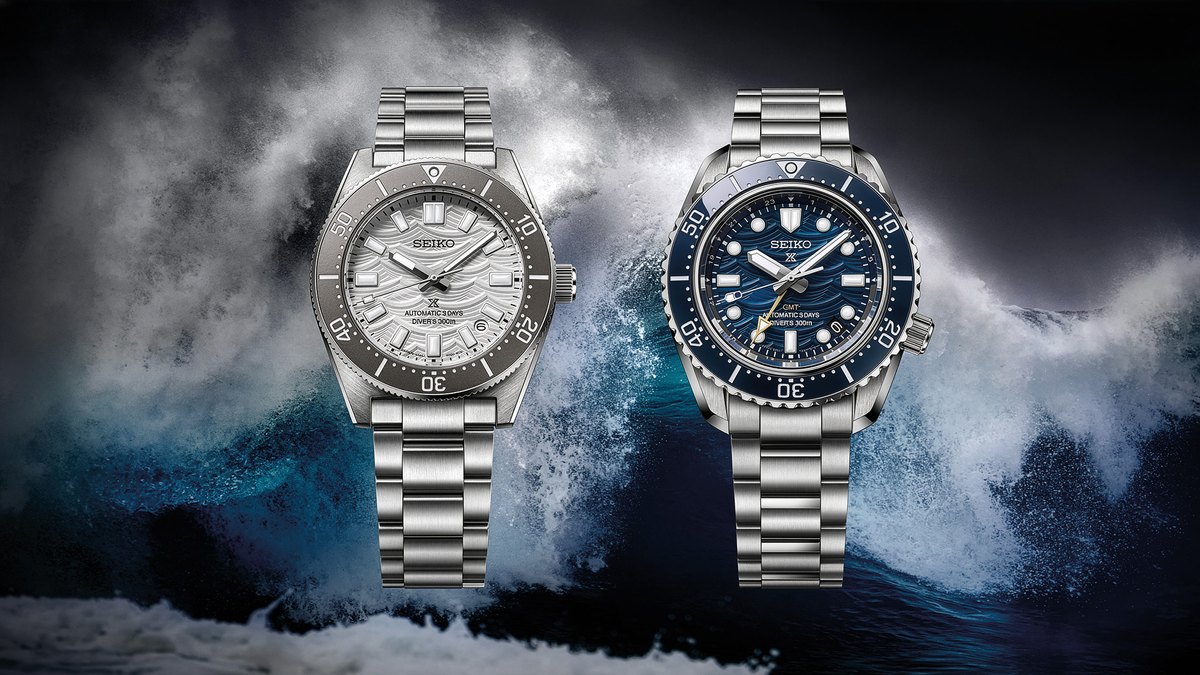
As Seiko marks both the 60th anniversary of its foundational diver (1965) and the brand’s 145th anniversary (in 1881 Kintaro Hattori established what would become Seiko), Prospex is executing a sophisticated evolution that marries historic tool-watch architecture with leading-edge movement and case engineering.
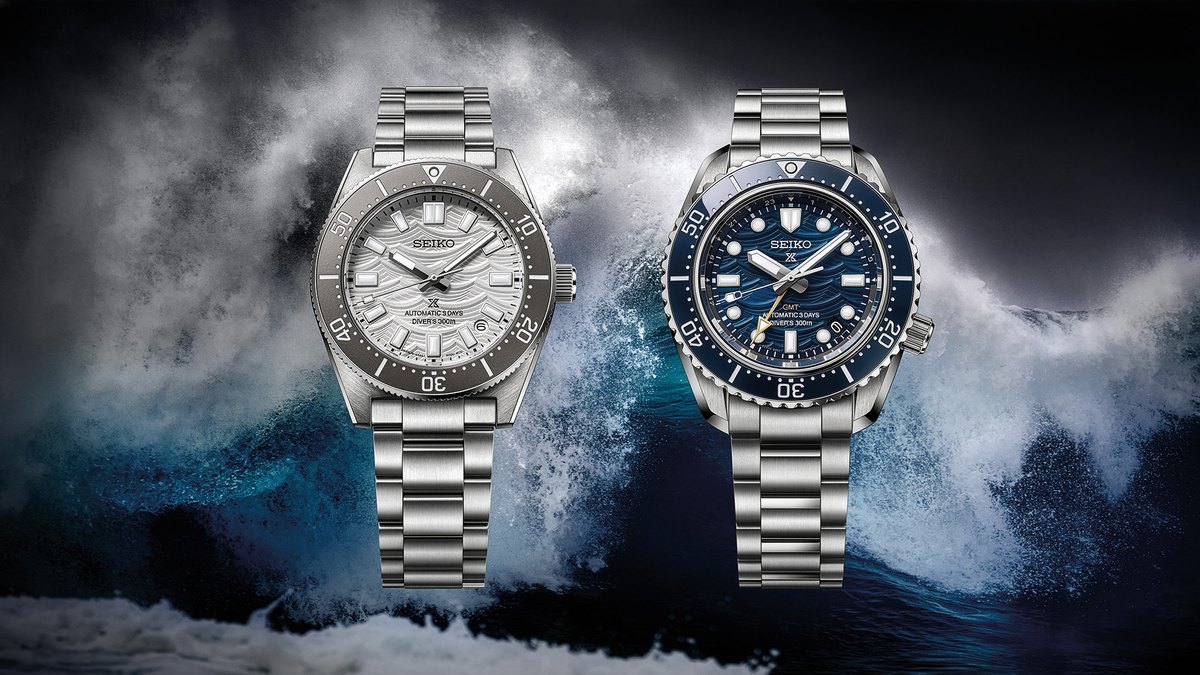
From left: 1965 Heritage Seiko Diver’s 60th Anniversary Limited Edition SPB511 40mm in stainless steel; 1968 Heritage Diver’s GMT Seiko Diver’s 60th Anniversary Limited Edition SPB509 42mm in stainless steel FORM FOLLOWS SURVIVAL At the helm of this contemporary direction is Masanori Kawamura, who took over as Design Leader for Prospex in 2024 after previously leading design for the tech-forward Astron line.