

What if electricity could be generated using something that is already surrounding us every day?
Researchers at the University of Massachusetts Amherst developed an experimental technology called Air-gen, a device that can generate electricity from moisture naturally present in the air.
The invention uses extremely thin protein nanowires originally obtained from a microorganism called Geobacter sulfurreducens. These microscopic wires are arranged into a thin film between two electrodes.
When water molecules from the surrounding air interact with the film, they create a moisture gradient across the material. This movement of moisture produces an electrical effect that allows the device to generate a continuous current.
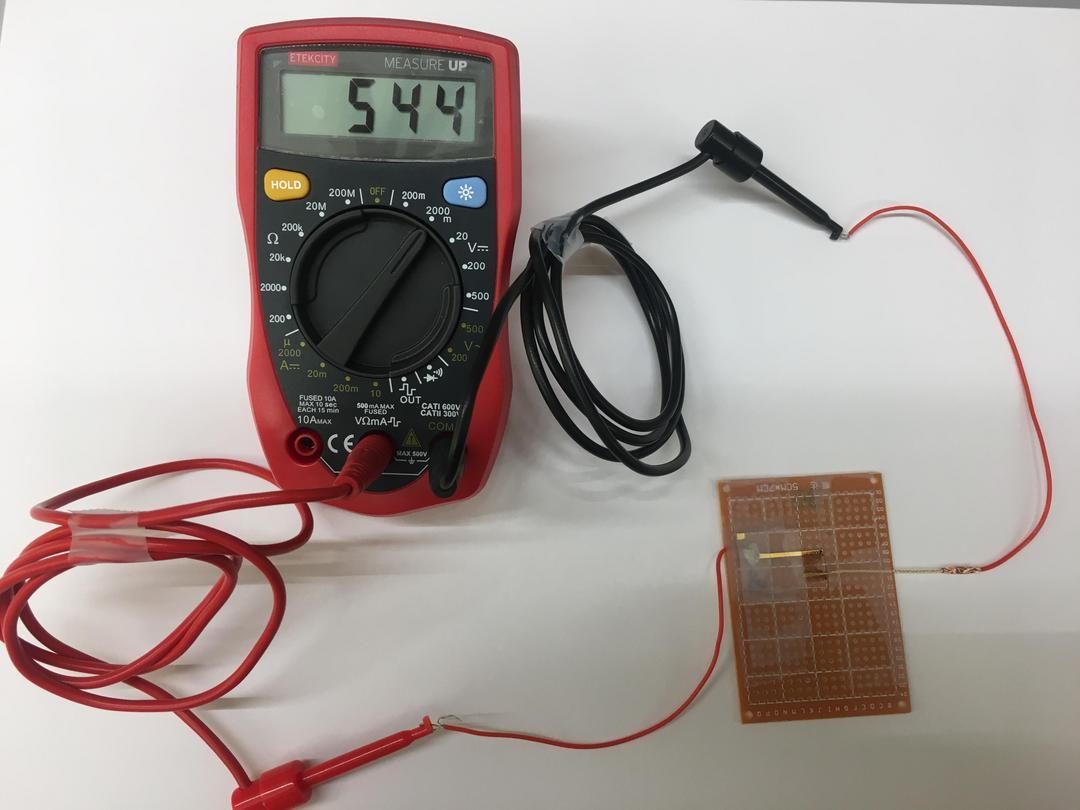
In their 2020 research published in the journal Nature, scientists demonstrated a device that produced approximately 0.5 volts across a film only seven micrometers thick. They also showed that connecting multiple devices could increase the available voltage and current.
One particularly interesting feature is that the technology does not depend on direct sunlight or moving mechanical parts. This creates the possibility of generating small amounts of electricity even indoors.
Researchers have explored potential applications such as small electronic devices, wearable sensors and future low-power systems. Imagine a wearable patch that could continuously generate a little electricity from the moisture in the surrounding air.
However, Air-gen is not yet a replacement for household electricity or conventional batteries. Its demonstrated output is relatively small, and researchers still need to improve its performance and develop practical ways to manufacture it at scale.
It is an exciting example of how even the moisture in ordinary air could become a source of usable energy.