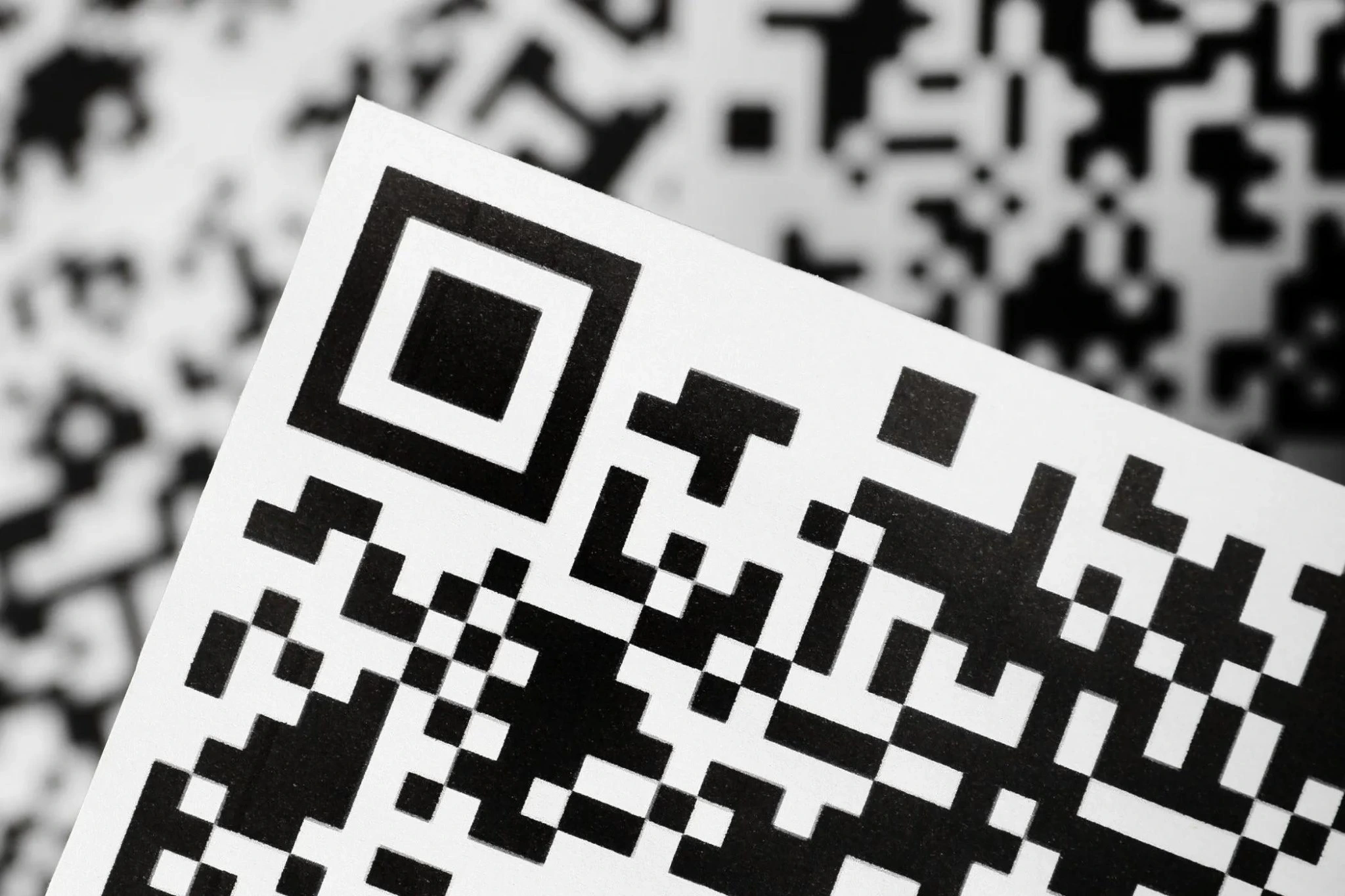



The little square you scan to pay for food, open restaurant menus or access websites was originally created to solve a problem in Japan’s automotive industry.
In 1994, engineers at DENSO WAVE developed the QR code because traditional barcodes could not store enough information for increasingly complex manufacturing operations.
The new code was designed to hold much more information and be read quickly from different angles. It could also remain readable even when part of the printed pattern was dirty or damaged. The name QR stands for “Quick Response,” reflecting its emphasis on fast scanning.
One reason QR codes spread so widely is that DENSO WAVE made the specifications publicly available and allowed the technology to be used without charging a licence fee. A tool developed to track automotive parts eventually became part of everyday life around the world.