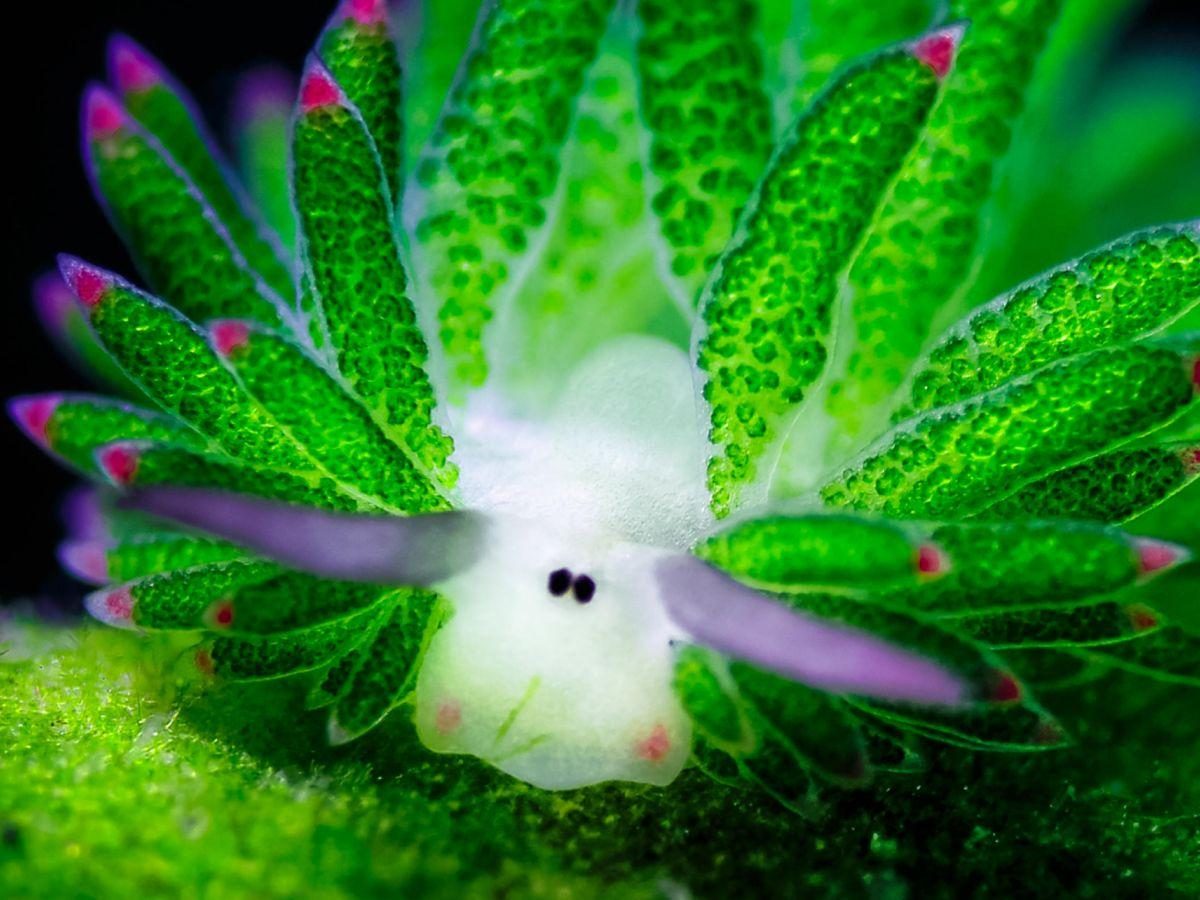

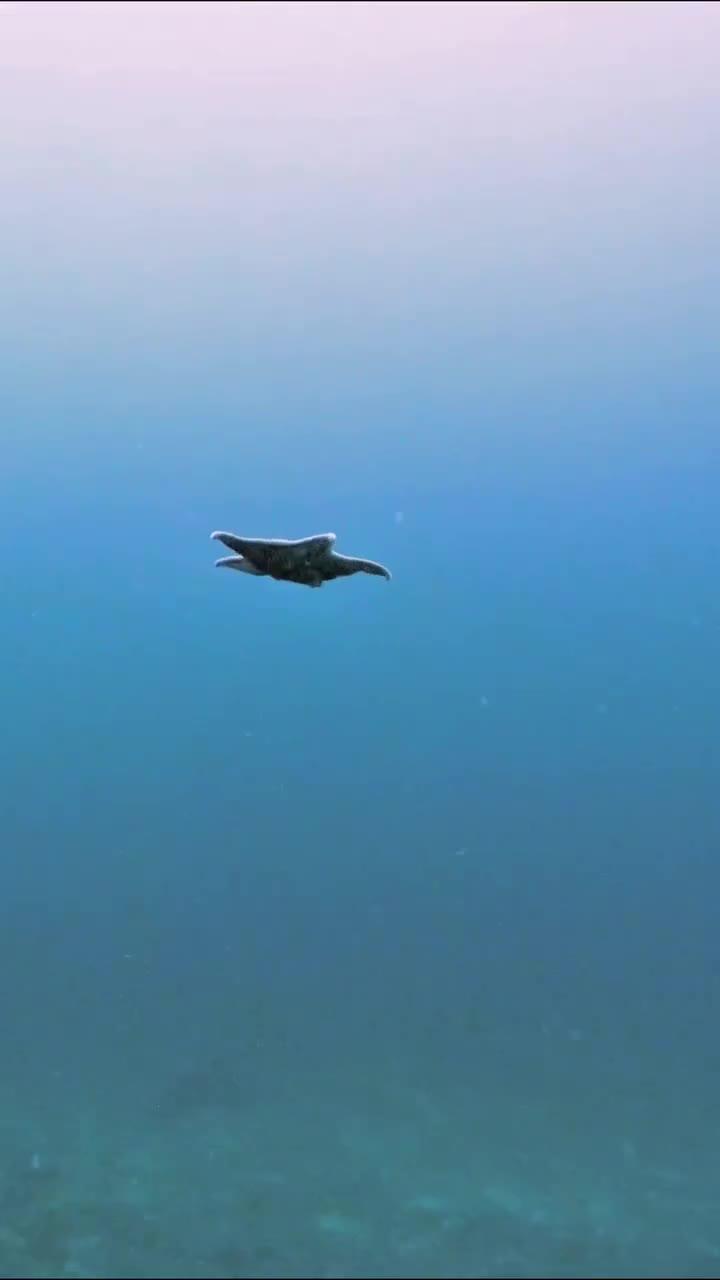



Meet the leaf sheep sea slug, scientifically known as Costasiella kuroshimae. This tiny marine animal is famous for its adorable appearance, with a pale face, two dark eyes, and bright green structures along its back that resemble miniature leaves.
But its appearance isn't even its most extraordinary feature.
When the leaf sheep feeds on certain algae, it can retain some of the algae's chloroplasts. These are the structures responsible for photosynthesis in plants. The sea slug stores them inside specialized branches on its back, allowing the captured chloroplasts to continue using sunlight to produce energy.
Scientists call this process kleptoplasty, which literally refers to stealing plastids.
This doesn't mean the sea slug has become a plant. It still needs to feed, and the amount of energy it obtains through this process is limited. But it is an extraordinary example of an animal taking advantage of a biological system normally associated with plants.
Leaf sheep are found in shallow tropical waters across parts of Asia, including Japan, the Philippines, and Indonesia.