








A lost tortoise lineage returns to Galápagos after 180 years.
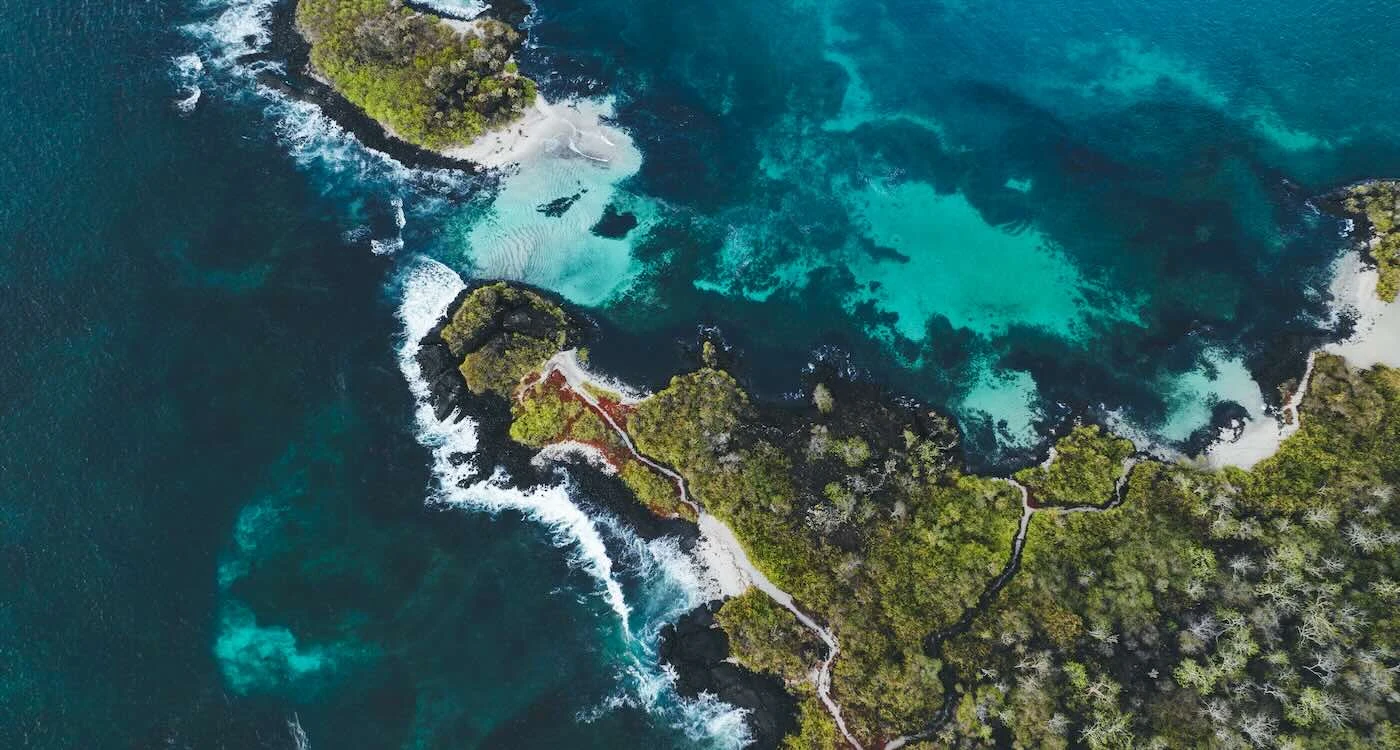
This week, 158 juvenile giant tortoises of Floreana lineage were released back to their ancestral home on Floreana Island. These tortoises are the result of decades of genetic research led by the Galápagos National Park Directorate.
Genetic studies from the early 2000s found that some tortoises on Wolf Volcano, near Isabela Island, carried Floreana ancestry, the last known descendants of a lineage long thought extinct.
The Floreana giant tortoise had been absent from the island since the mid-1800s, likely due to historical whaling practices. Through a managed breeding program, these tortoises were raised to form a genetically similar population to the original Floreana species.
Their return marks a key step in the Floreana Ecological Restoration Project, the largest of its kind in the Galápagos.
The local Floreana community has been actively involved in this effort, from planning to long-term monitoring. Their work has already helped rediscover the Galápagos Rail, a bird not seen on the island since Darwin’s time.
As keystone species, tortoises help shape the ecosystem, supporting plant and animal life. Their return is expected to help restore natural ecological processes on the island.
This project is a collaboration between the Galápagos National Park, the Charles Darwin Foundation, Island Conservation, and others. The tortoises will also help improve land-sea connections, benefiting birds and marine life. The restoration of Floreana shows how nature and local communities can thrive together.