


Some of the most important networks supporting life on Earth are almost completely invisible.
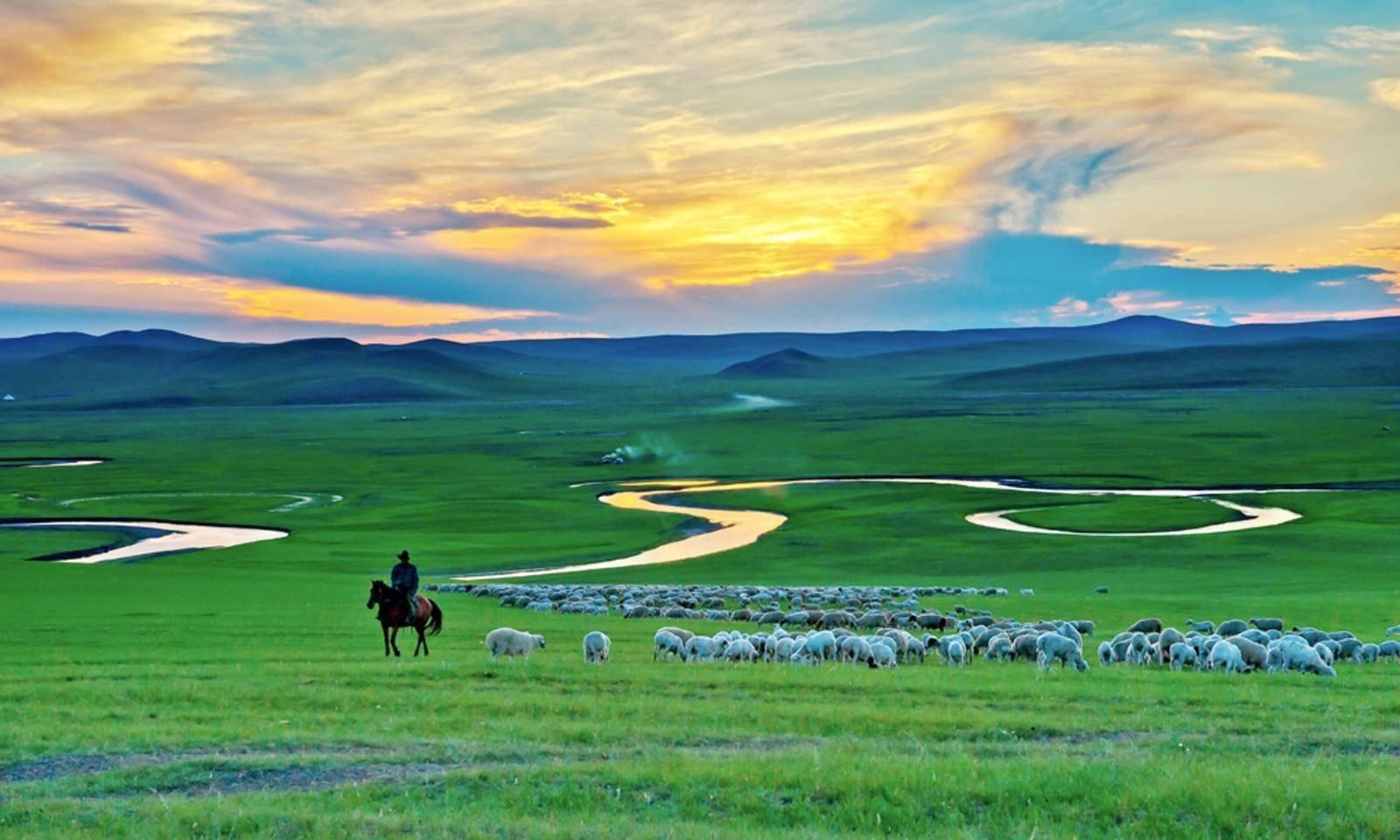
Scientists studying Mongolia’s grasslands are investigating how underground fungal networks could help protect ecosystems threatened by land degradation, rising temperatures and desertification.
These networks are formed by mycorrhizal fungi, which connect with plant roots and help plants obtain nutrients such as phosphorus and nitrogen. In return, plants supply the fungi with carbon produced through photosynthesis.
This relationship supports plant growth and plays an important role in the health of many ecosystems.
Researchers involved in the Society for the Protection of Underground Networks have been mapping fungal diversity in Mongolia. Their work identified more than 500 types of fungi in southwestern Mongolia, with around 90% previously unknown to the researchers.
The findings are particularly important because Mongolia’s grasslands are facing serious environmental pressure. Researchers found that degraded areas had at least 44% fewer species of mycorrhizal fungi and 60% less plant cover than healthier areas.
Protecting these underground communities could become part of wider efforts to restore damaged landscapes. It is a reminder that saving an ecosystem is not always just about protecting the trees, grasses and animals visible above the ground. Sometimes, the key to recovery lies beneath our feet.