WHY DO WE Have Nightmares?

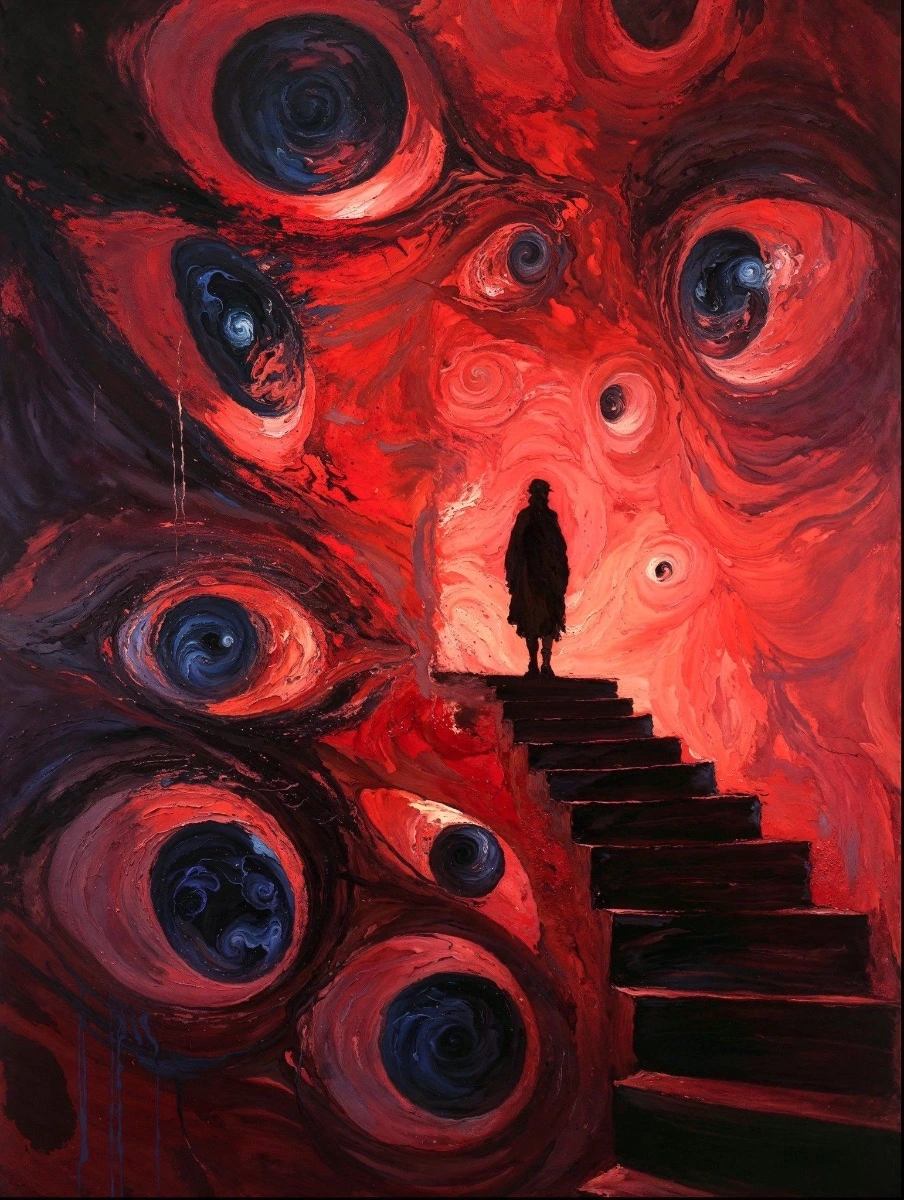
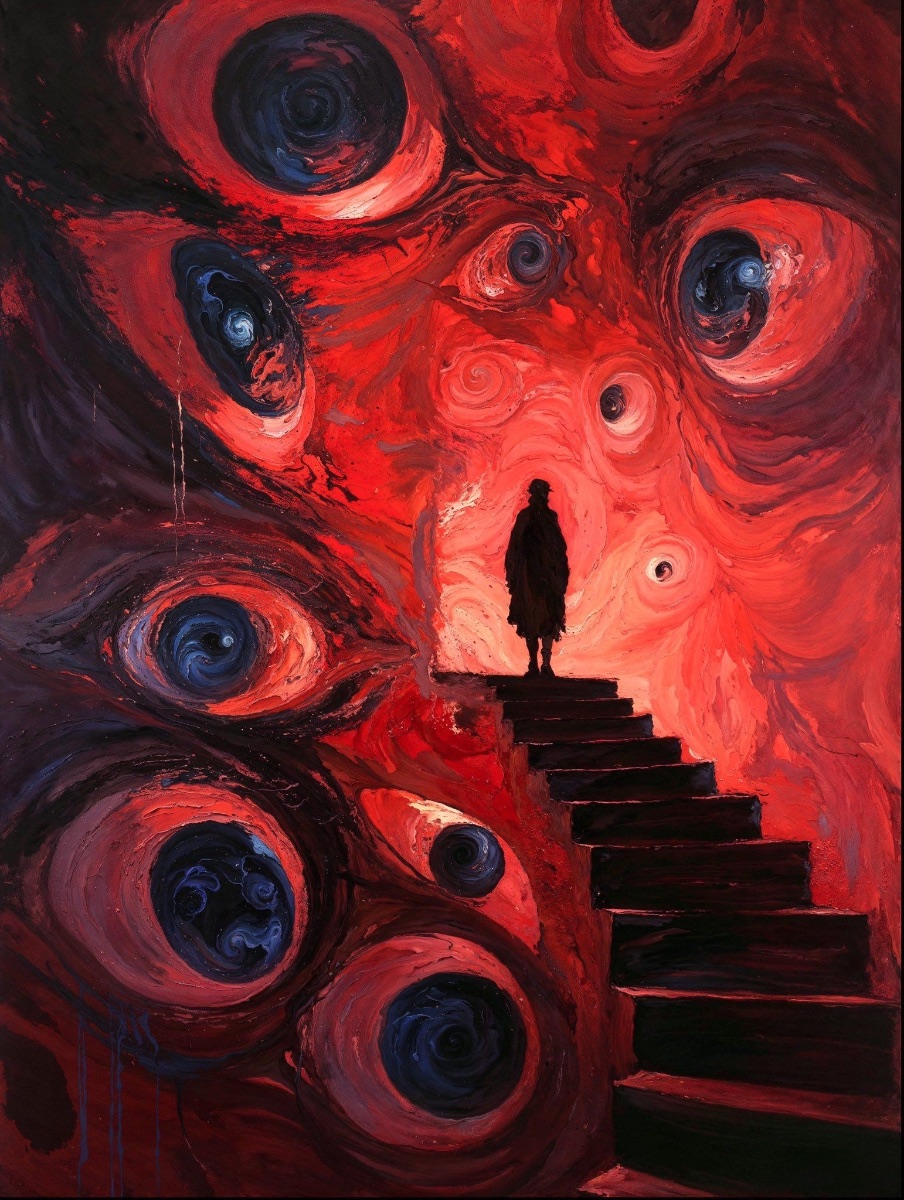
Nightmares are vivid, disturbing dreams that can leave you feeling scared even after you wake up. They most commonly occur during REM sleep, the stage when dreaming is especially active.
Stress and anxiety can increase the likelihood of nightmares. They can also be associated with trauma, sleep deprivation, irregular sleep schedules, certain medications, illness, and other emotional or physical factors.
Your brain remains highly active while you sleep, processing memories, emotions and experiences. Scientists believe dreaming may play a role in emotional processing, although the exact purpose of dreams is still not fully understood.
For some people, nightmares happen occasionally. But frequent nightmares can interfere with sleep and daytime wellbeing, especially when they cause fear of going to sleep or repeated nighttime awakenings.
So the next time you wake up from a terrifying dream, remember that your brain may simply be processing a complicated mix of emotions and experiences while you sleep. 🧠💭
Have you ever had a nightmare that felt so real you remembered it for years?
Source: Sleep Foundation
Sleep Foundation: Nightmares
Keywords: nightmares, dreams, REM sleep, sleep science, dream psychology
Send to a friend
Make someone's day with a card, a note or a quick message.
Send to a friend
Make someone's day with a card, a note or a quick message.
Send this to a friend
Make their day with a beautiful card and a note from you.