An Iron Age Ruler May Have Been a Woman

A historical figure connected to one of the most important turning points in British history may have been wrongly identified for centuries.
Archaeologist Miles Russell of Bournemouth University has argued that Verica, an Iron Age ruler of the Atrebates in southern Britain, may actually have been a woman.
Verica was traditionally described as a king, and his exile to Rome around AD 40 is thought to have helped create the political circumstances behind the Roman invasion of Britain in AD 43.
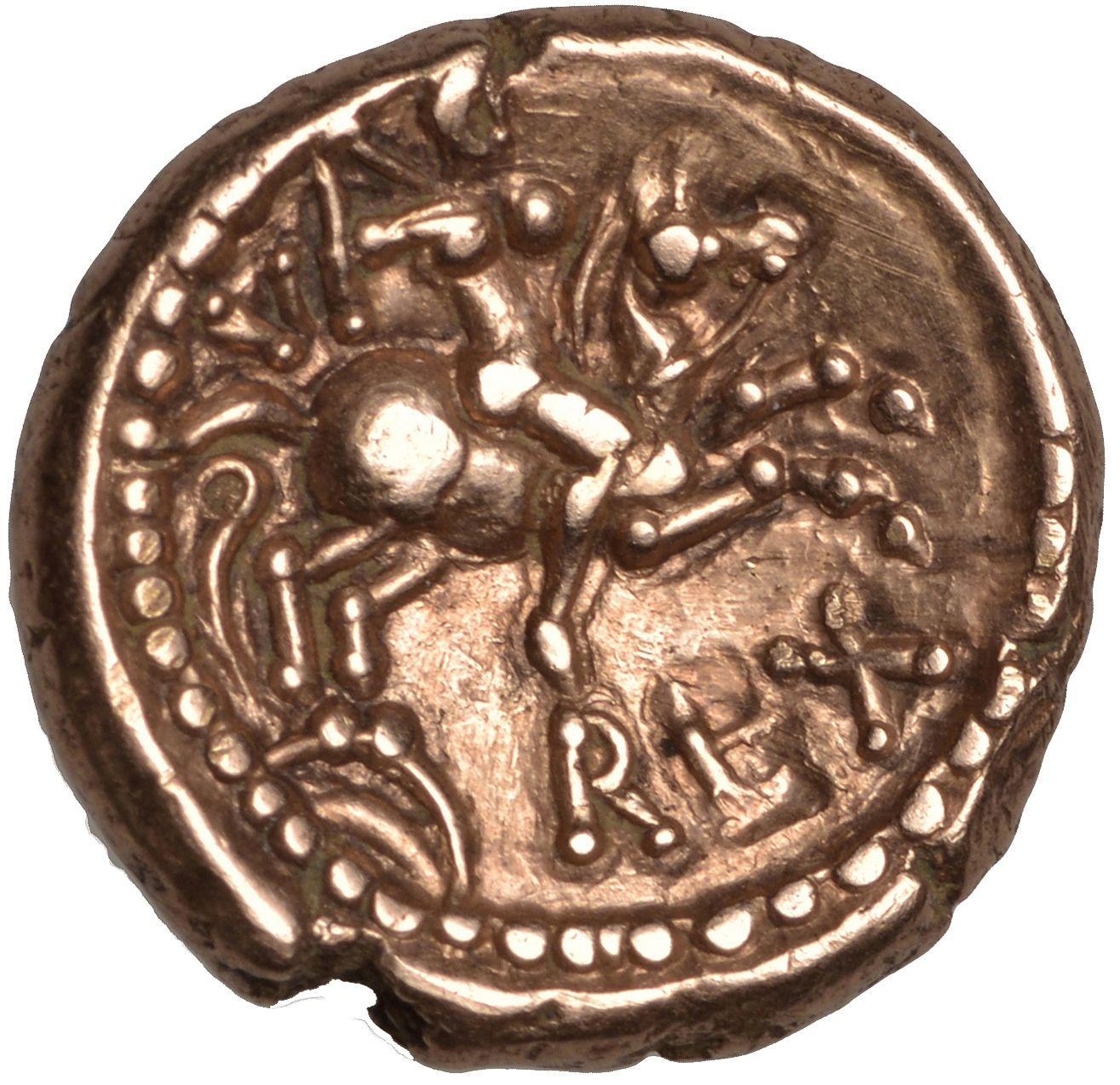
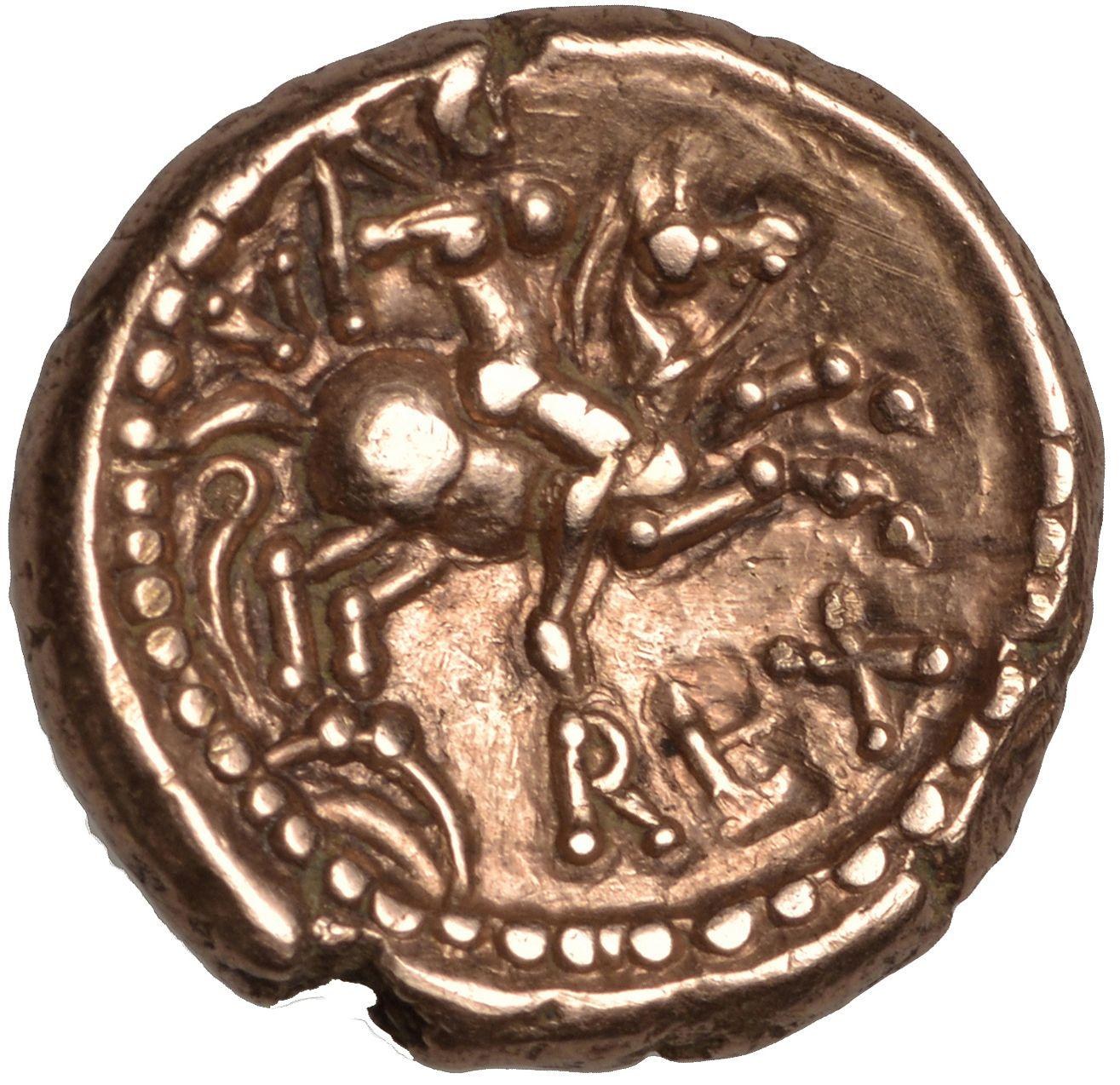
Russell points to several clues, including the name Verica, the imagery on coins issued during the ruler’s reign and the interpretation of inscriptions associated with the individual. He argues that the traditional male identification may partly reflect assumptions made by earlier historians.
If the interpretation is correct, Verica would join other known female leaders of Iron Age Britain, including Boudica and Cartimandua. It would also change how historians understand the political influence of women in the region before Roman rule.
However, the proposal is not universally accepted. Other specialists have questioned the interpretation of the name, ancient written accounts and coin imagery. The evidence remains open to debate, so it would be premature to present Verica’s identity as definitively established.
Regardless of the final conclusion, the discussion highlights how new interpretations of familiar historical evidence can challenge assumptions that have survived for generations.
Send to a friend
Make someone's day with a card made from this find.