

115-million-year-old dinosaur blood cells have been found preserved in a fossil.
The picture shows fossilized blood cells inside a dinosaur bone. These cells were discovered in a 115-million-year-old theropod leg bone from Brazil. The cells were found in vascular channels that once carried blood.
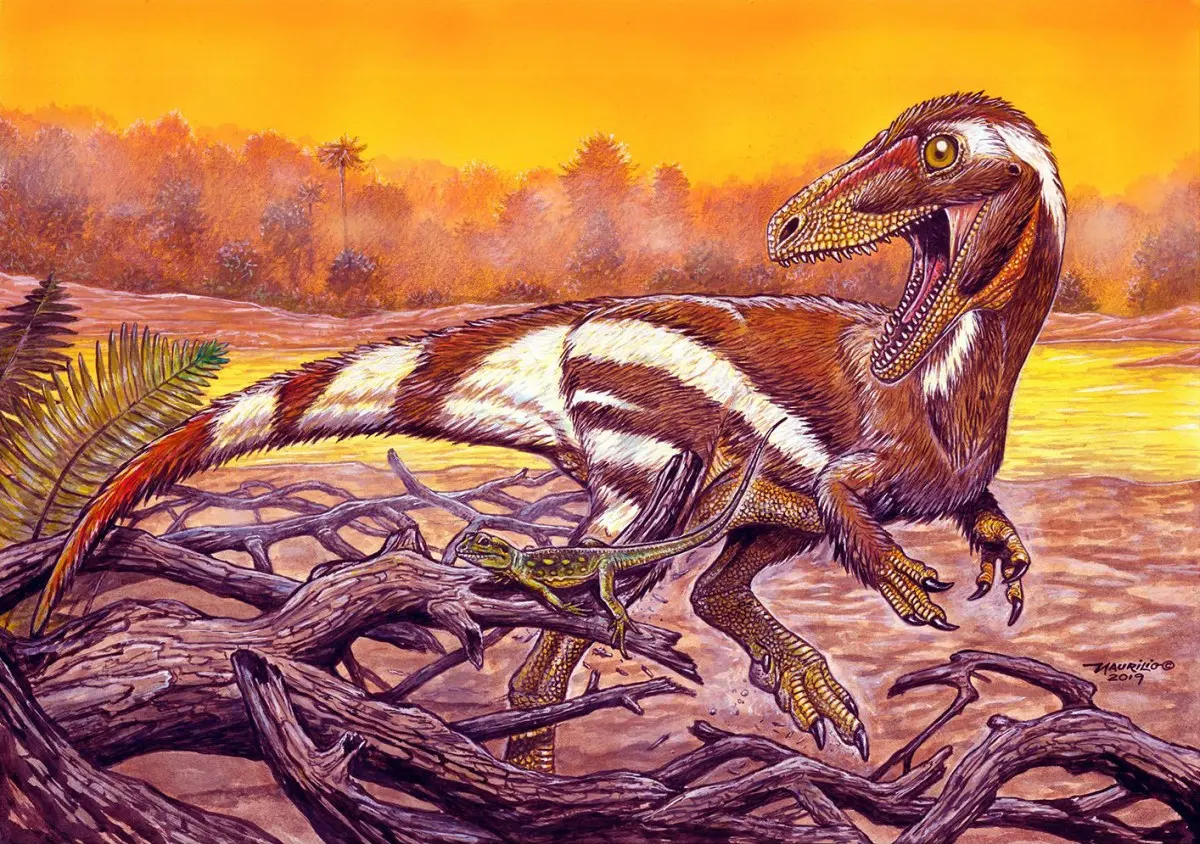
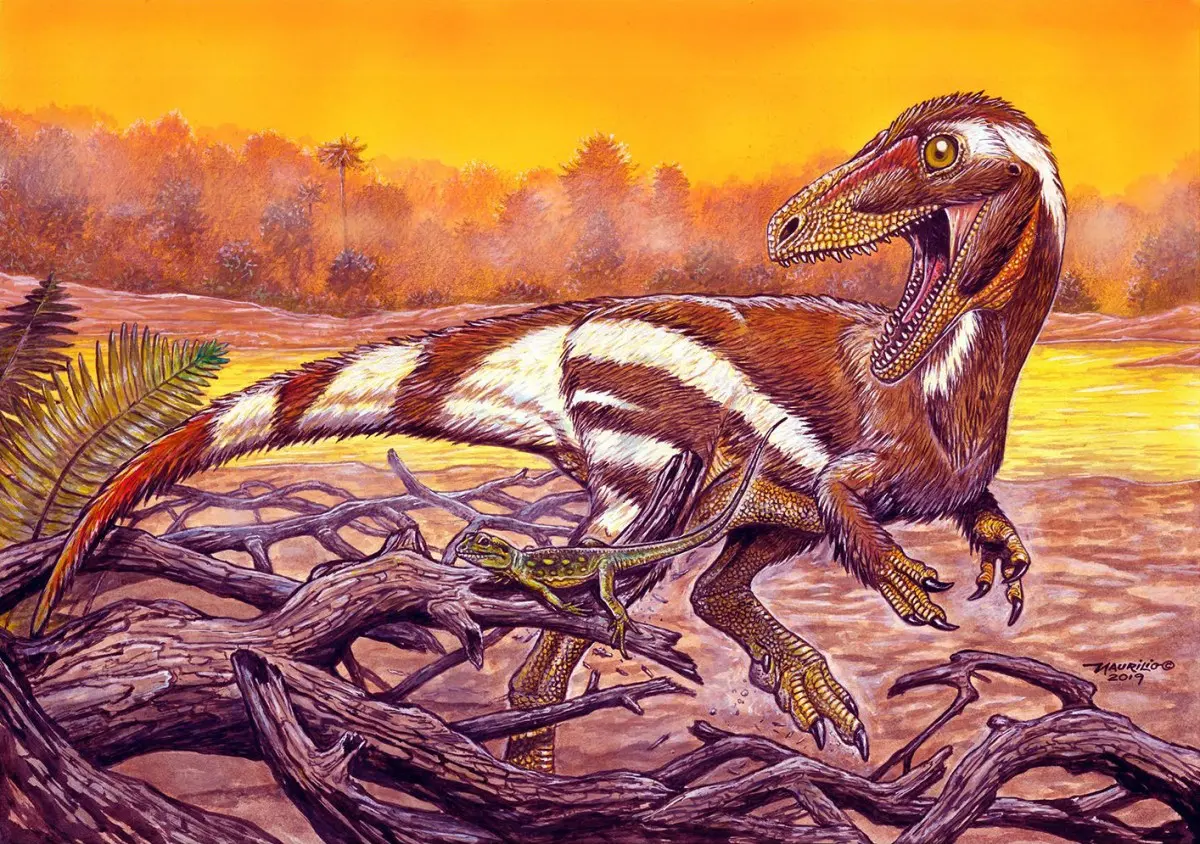
In 2008, scientists uncovered a juvenile Aratasaurus museunacionali in a Brazilian mine. Thin slices of the fossil were examined under an electron microscope. Round blobs matching the size of blood cells were identified. Chemical tests confirmed the presence of heme, a key component of blood.
This is the first time heme has been found in such an ancient specimen. The discovery challenges the belief that certain biomolecules cannot survive for millions of years. It also opens new ways to study dinosaur physiology and evolution.
The blood cells were more oblong than those of modern birds and crocodiles. This could be due to deformation during fossilization. The study suggests that blood cells can fossilize if the process is fast enough.
This find supports the idea that some traits, like flight, may have evolved multiple times in different dinosaur species. The discovery is a landmark for molecular paleontology.