

Human neurons guide a robot’s social instincts across continents.
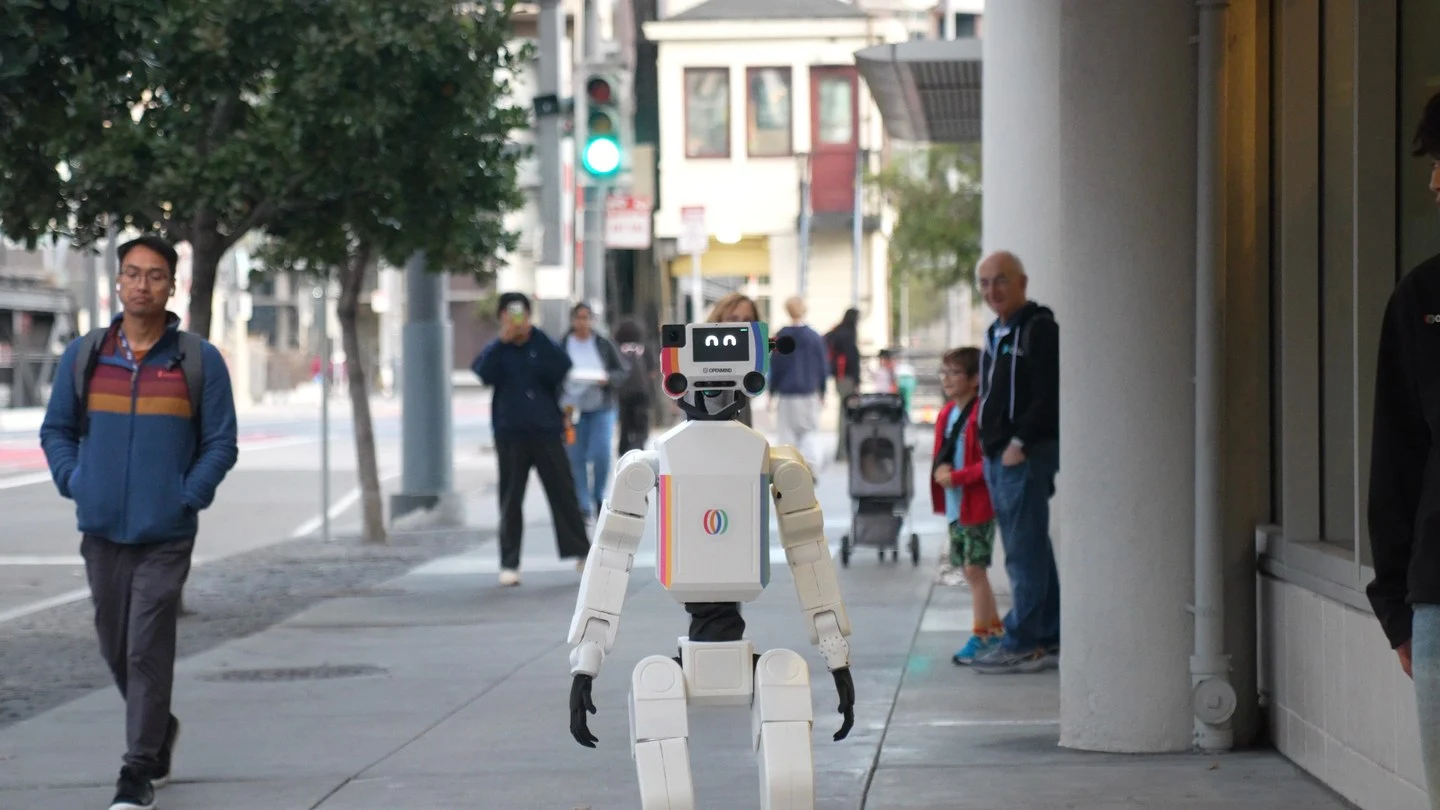
Iris, a humanoid robot, uses living human neurons grown in labs to process social cues. Stanford bioengineer Jan Liphardt and his team connected these neuron cultures to Iris remotely, allowing her to react to basic social signals.
The neurons, located in Australia and Switzerland, receive visual data from Iris’s cameras and send responses back to shape her behavior.
The setup works both ways: electrical impulses are sent to the neurons and their responses are read. This system lets Iris adjust her actions based on what she sees. However, the neurons stay in controlled lab environments and are not physically moved to the robot.
The cultures are made from human cerebral cortex neurons derived from induced pluripotent stem cells. The 2D cultures in Australia respond faster than the 3D spheroids in Switzerland, with the 2D cultures showing 94% decoding accuracy in under a quarter second.
This speed helps Iris react in real time to social interactions.
The 2D cultures lasted over 100 days, while the spheroids survived only a few days. As the cultures aged, Iris’s responses became slower and more inconsistent. Liphardt sees this variability as a feature, giving each robot a unique personality shaped by biological growth.
The system raises questions about privacy and ethics, but for now, the neuron cultures are simple and lack the complexity for experiences. Liphardt’s next goal is to extend the cultures’ lifespan, ensuring the robot maintains its initial personality for longer periods.