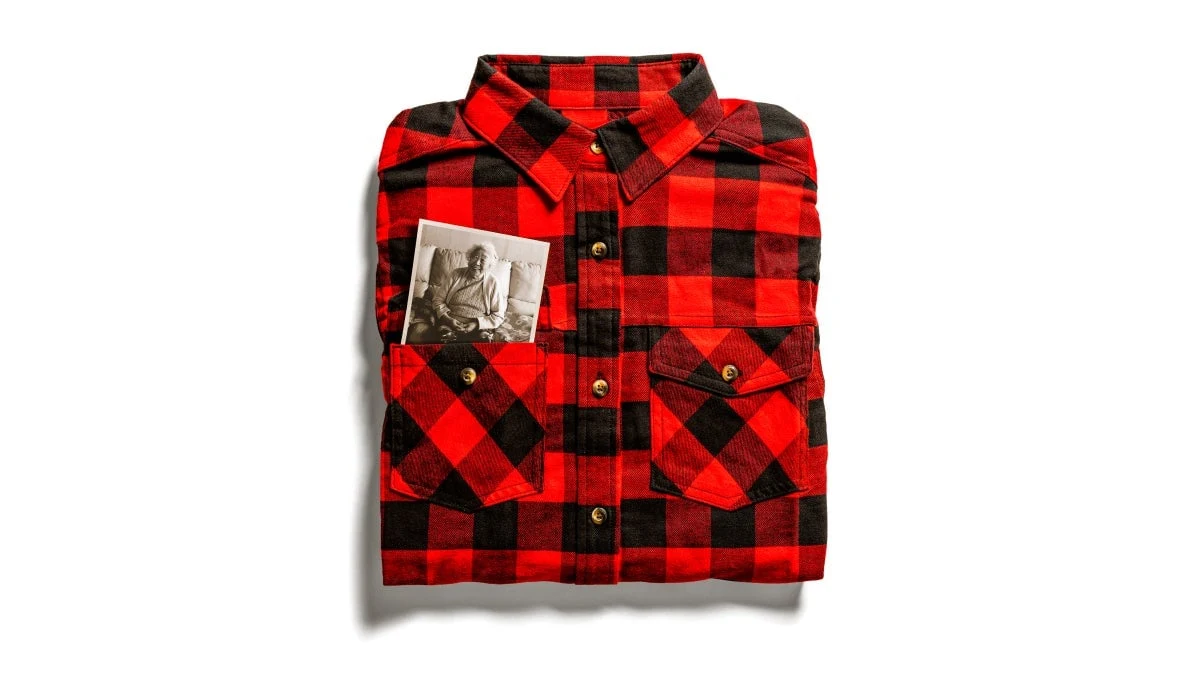
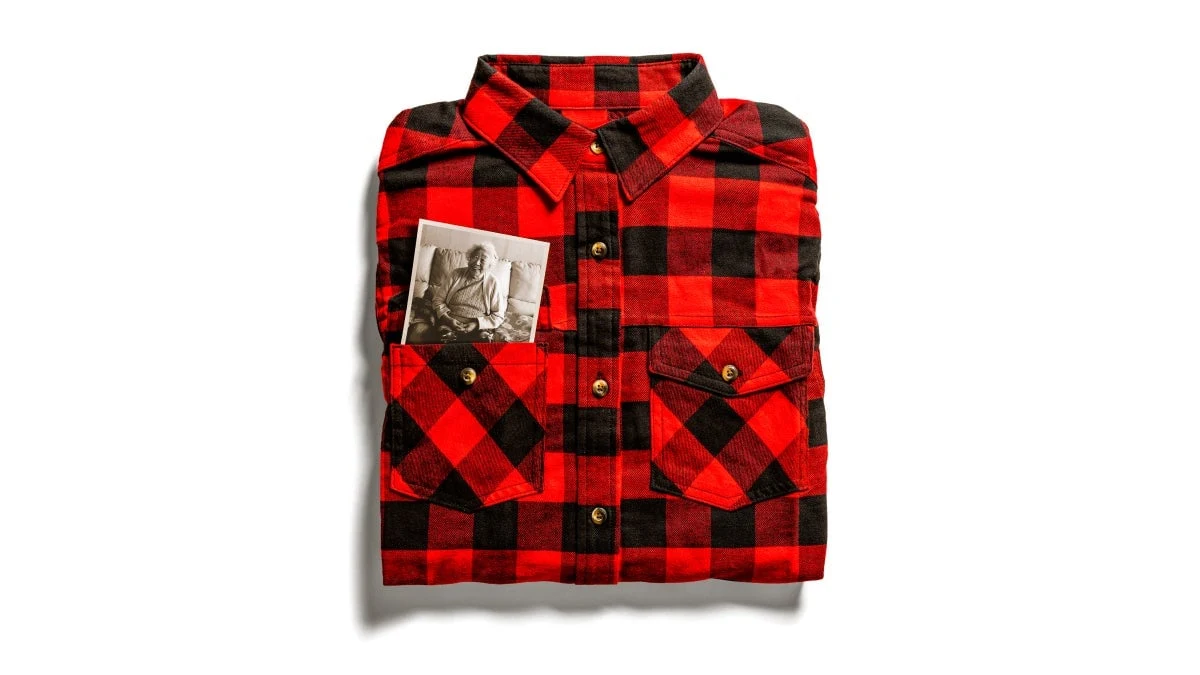


A flannel’s softness hides a wartime legacy.
My grandmother would study my palm and then my shirt, especially the fabric. In postwar South Korea, she and my grandfather owned a textile factory that helped pioneer cotton flannel. Their small business employed over 50 people and became part of a hidden empire built from fabric.
Flannel is now a staple in outdoor fashion and home wear. It’s known for its soft, fuzzy texture. The brushing process raises a “nap” on the fabric, making it warm and comfortable. Cotton flannel, once a working-class staple in Europe, became a global fabric after cheap cotton flooded markets in the 19th century.
The origin of flannel traces back to 17th-century Wales, where wool was brushed to make it warmer. The technique spread during the industrial revolution. In the U.S., Woolrich popularized flannel with the buffalo check shirt in 1850, linking it to the rugged outdoor lifestyle.
My grandmother’s connection to flannel reflects a broader story of industry and survival. Her factory, built in postwar Seoul, contributed to a fabric now worn by ranchers, musicians, and city dwellers. The flannel we know today carries the legacy of her hidden empire.