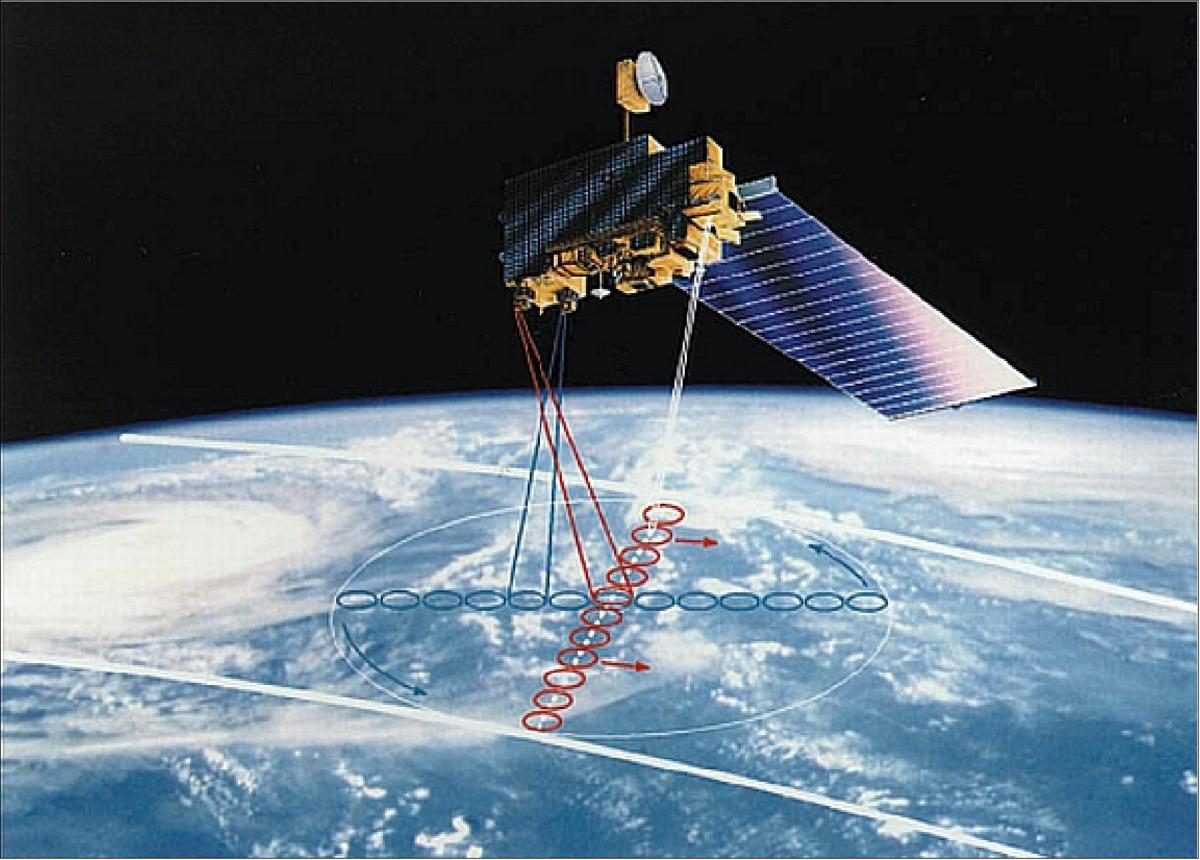

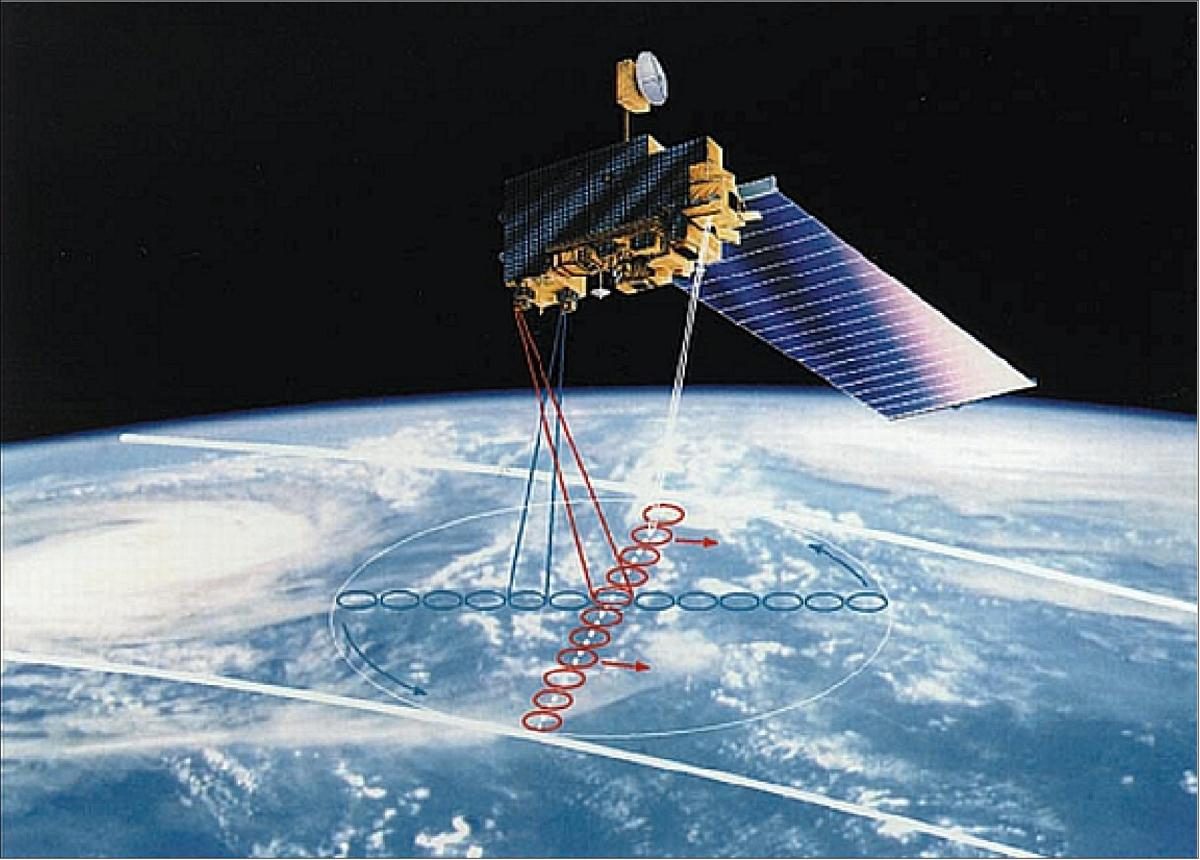







Launched in December 1999, Terra helped scientists study the relationship between Earth’s atmosphere, land, oceans and climate. Its instruments collected information about wildfires, air pollution, vegetation, ice cover, dust storms and changes in land use.
One of its best-known instruments, MODIS, provided global observations that helped scientists track environmental changes on a large scale. Its long-running data record has supported research into everything from agricultural conditions to natural disasters.
Terra’s contribution is particularly important because environmental research often depends on comparing observations collected over many years. A consistent satellite record allows scientists to identify changes that may be difficult to detect through isolated measurements.
NASA plans to lower the spacecraft’s orbit using its remaining fuel before switching off its systems in January 2027. Importantly, the scientific records already collected will remain publicly available.
Terra’s mission may be ending, but its decades of observations will continue helping researchers understand how our planet has changed.