Plastic to Medicine Breakthrough


Bacteria turn plastic into a Parkinson’s drug, redefining waste as medicine.
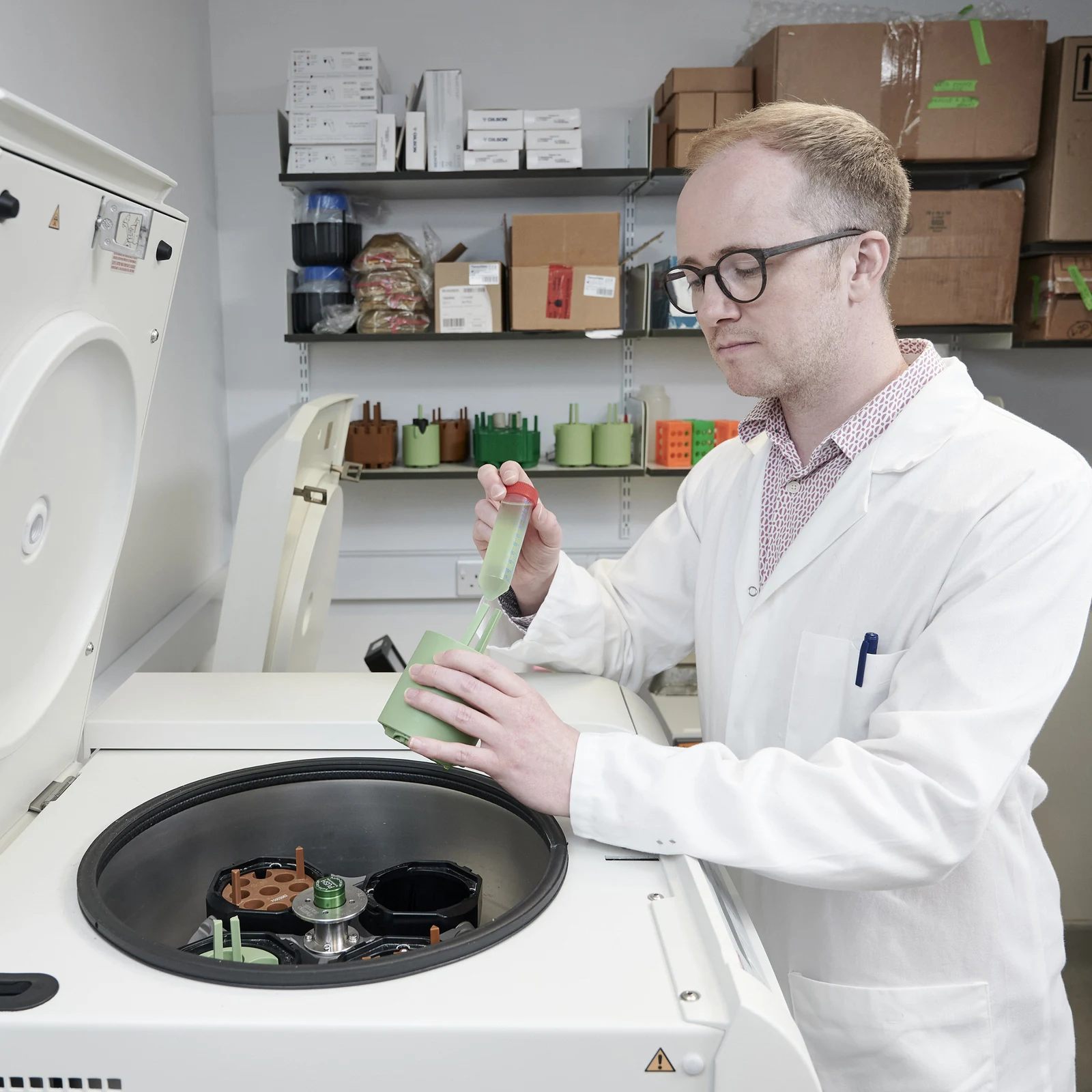
University of Edinburgh researchers have developed a process using bacteria to convert plastic waste into the Parkinson’s drug L-DOPA. The breakthrough involves genetically engineered E. coli that transform broken-down plastic into the medication through a series of enzymatic reactions.
The method relies on breaking down polyethylene terephthalate (PET) into terephthalic acid, which is then used by the bacteria to build L-DOPA. This is the first time a biological process has turned plastic into a treatment for a neurological disease.
The process is part of a growing field called bio-upcycling, which aims to use microorganisms to convert waste into higher-value products. This approach could eventually replace petrochemical-based production of medicines, fragrances, and even fuels.
The research was led by professor Stephen Wallace, who has previously worked on making vanillin from plastic. He sees this as the start of a new way to use waste materials to support human health and reduce reliance on fossil fuels.
Send to a friend
Make someone's day with a card made from this find.