Scientists Create a Rechargeable Battery Using Vitamin B12

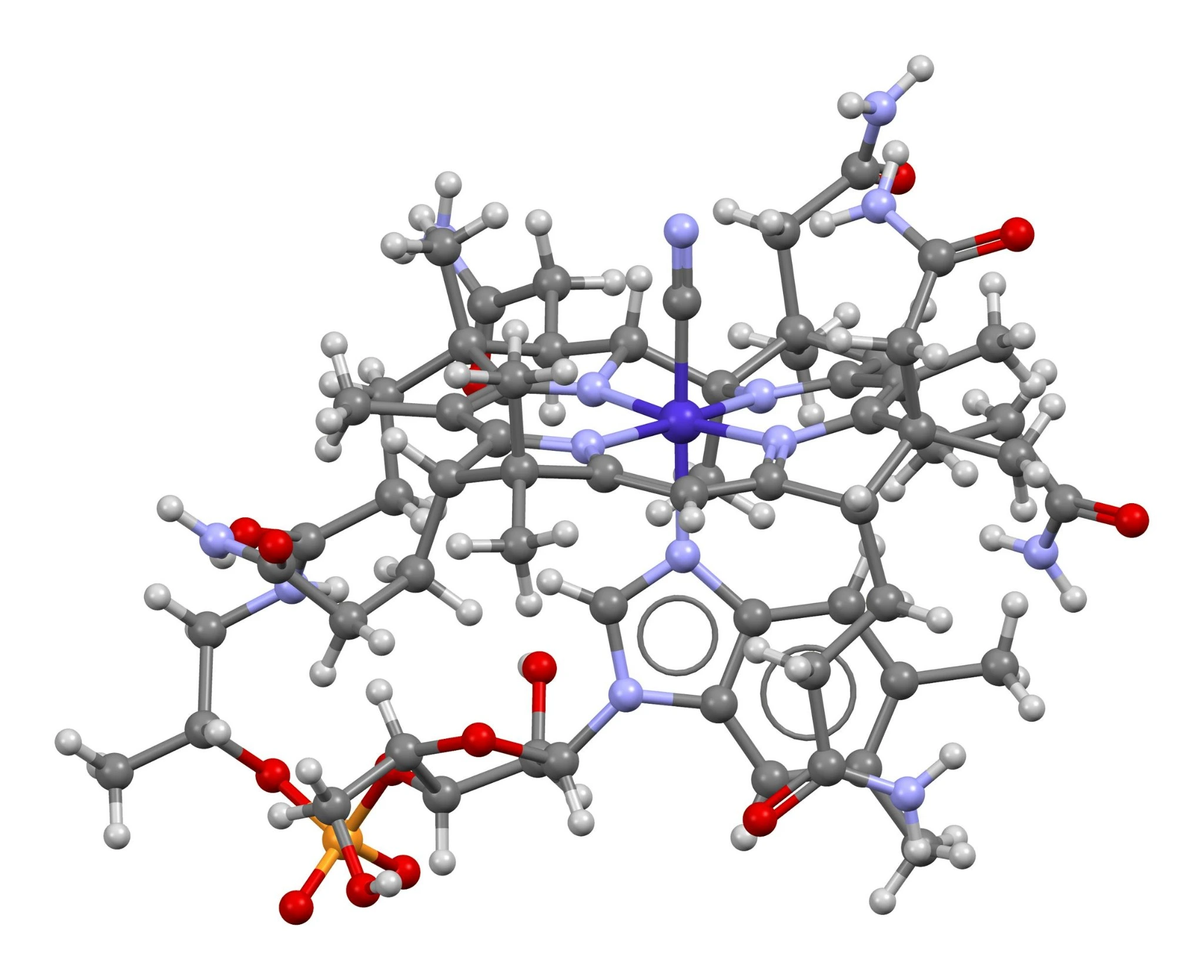
Vitamin B12 is best known for helping the human body maintain healthy blood and nerve cells. Scientists have now found a surprising potential use for the same nutrient: helping power a rechargeable battery.
In November 2026, researchers reported a prototype battery that uses vitamin B12 as part of its electrochemical system.
The design offers an interesting alternative to conventional battery materials, particularly as scientists search for ways to develop more sustainable energy storage technologies. The prototype reportedly survived up to 250 charging cycles.
The appeal of this research is the possibility of using more accessible organic compounds in future energy storage. Most modern rechargeable batteries rely on carefully engineered materials and supply chains involving metals and other resources.
Exploring alternatives could eventually help researchers develop batteries with different environmental and manufacturing advantages.
However, this is still an experimental prototype. It has not demonstrated that it can outperform the lithium-ion batteries used in smartphones, electric vehicles and other everyday electronics. More research is needed to improve its capacity, lifespan, efficiency and scalability.
Still, the idea is fascinating. A nutrient commonly associated with food and human health could also contribute to the development of future energy technology.
Send to a friend
Make someone's day with a card, a note or a quick message.
Send to a friend
Make someone's day with a card, a note or a quick message.
Send this to a friend
Make their day with a beautiful card and a note from you.