The secret Behind Venice’s No-car Streets

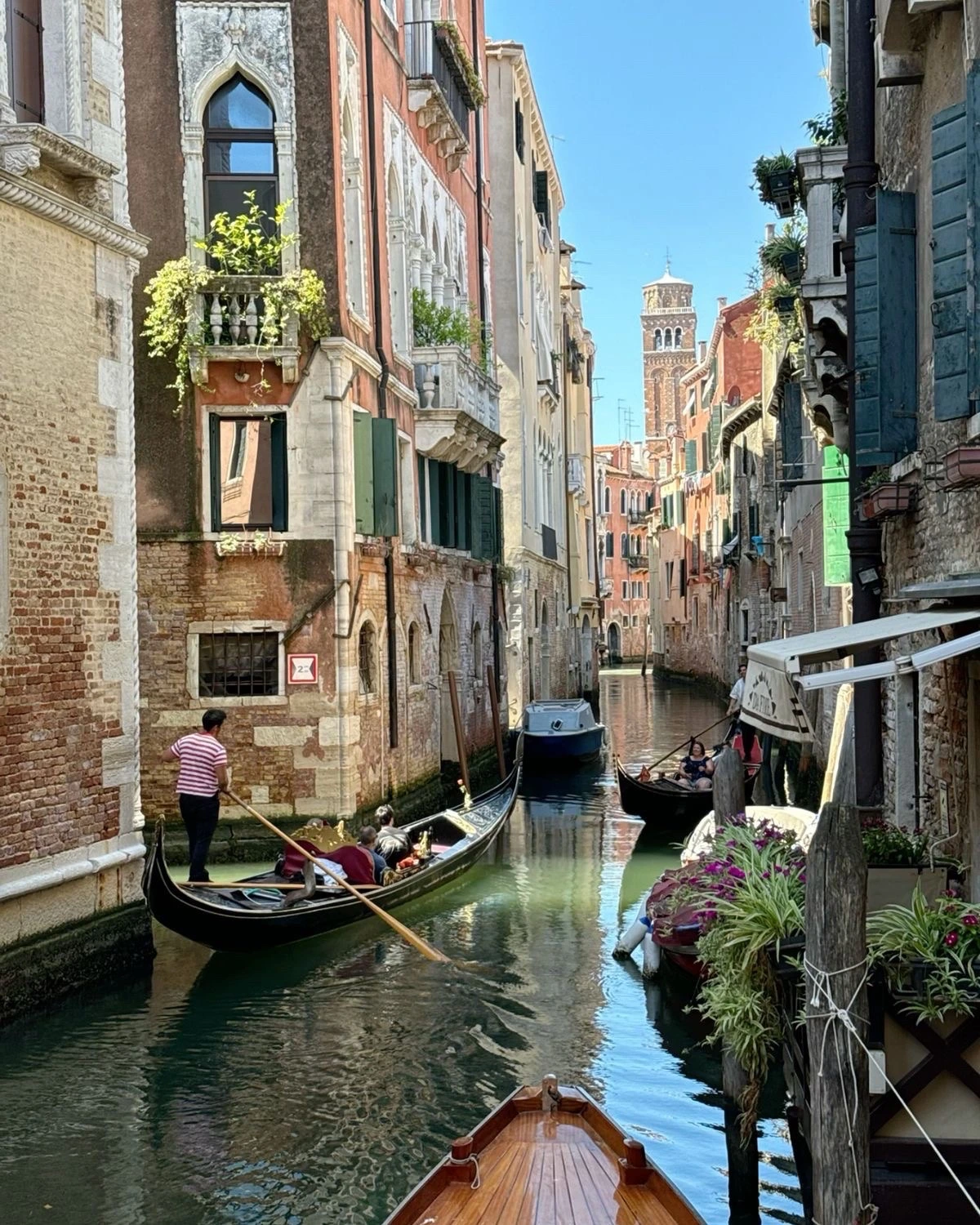
It’s not because the city simply decided to ban traffic. Venice was built for boats and pedestrians not cars.
The historic city sits across a group of islands in a lagoon, with canals separating neighborhoods and hundreds of bridges connecting them. Instead of conventional roads, Venice developed a network of narrow pedestrian streets called calli and waterways that function like its transportation system.
So where do the cars go?
Visitors arriving by car typically stop at the edge of the historic city, around Piazzale Roma or Tronchetto, before continuing by foot, water bus or water taxi. 🚤
And Venice isn’t completely car-free—the mainland and areas connected by the Ponte della Libertà still have roads and vehicles. It’s the historic lagoon city that has no conventional car network.
The result is one of the world’s most unusual urban experiences: a city where your commute can mean crossing a bridge or catching a boat instead of sitting in traffic. 🌊
Would you rather explore Venice by gondola or on foot?
Source: UNESCO World Heritage Centre; City of Venice
Send to a friend
Make someone's day with a card, a note or a quick message.
Send to a friend
Make someone's day with a card, a note or a quick message.
Send this to a friend
Make their day with a beautiful card and a note from you.