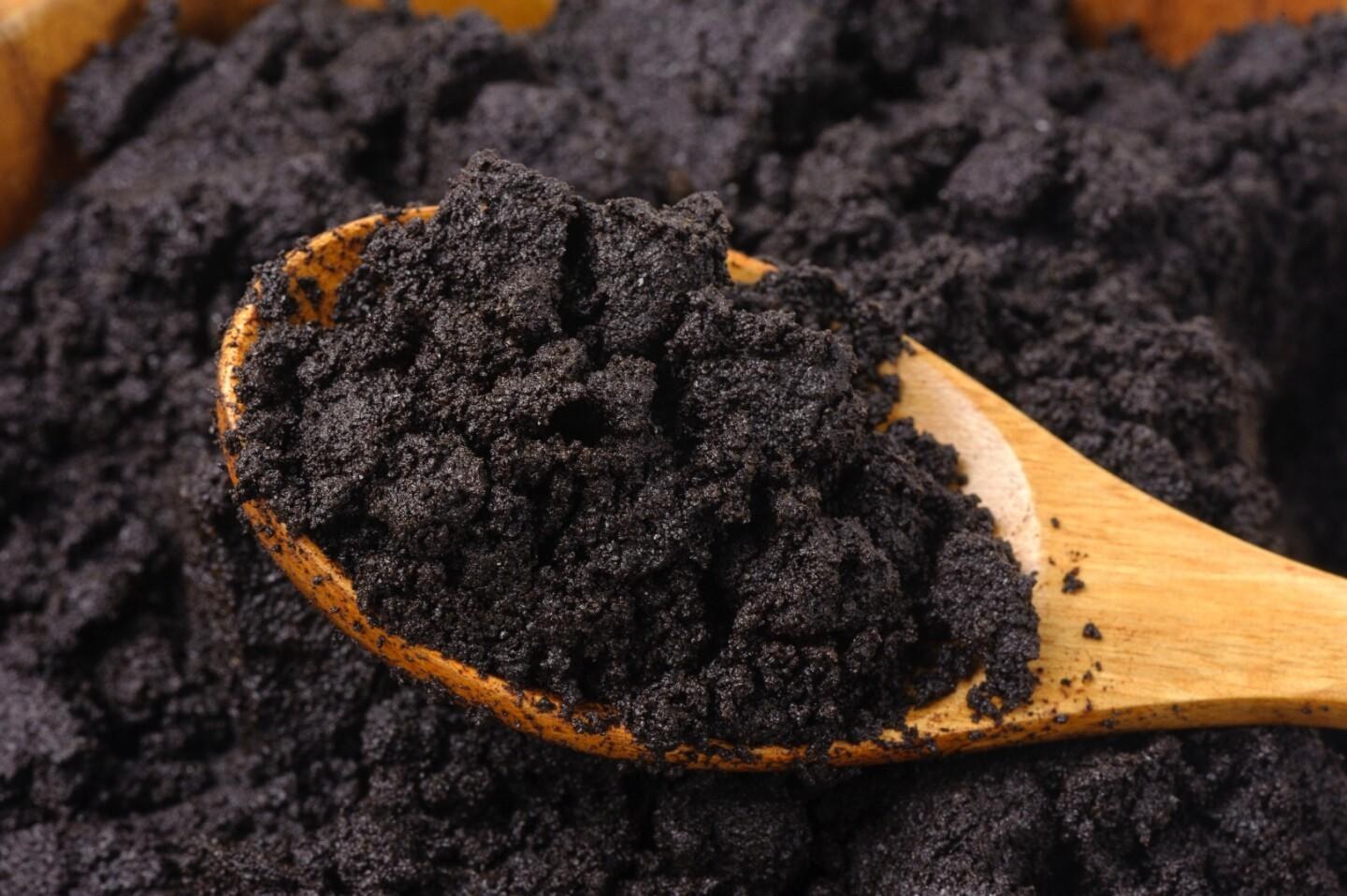

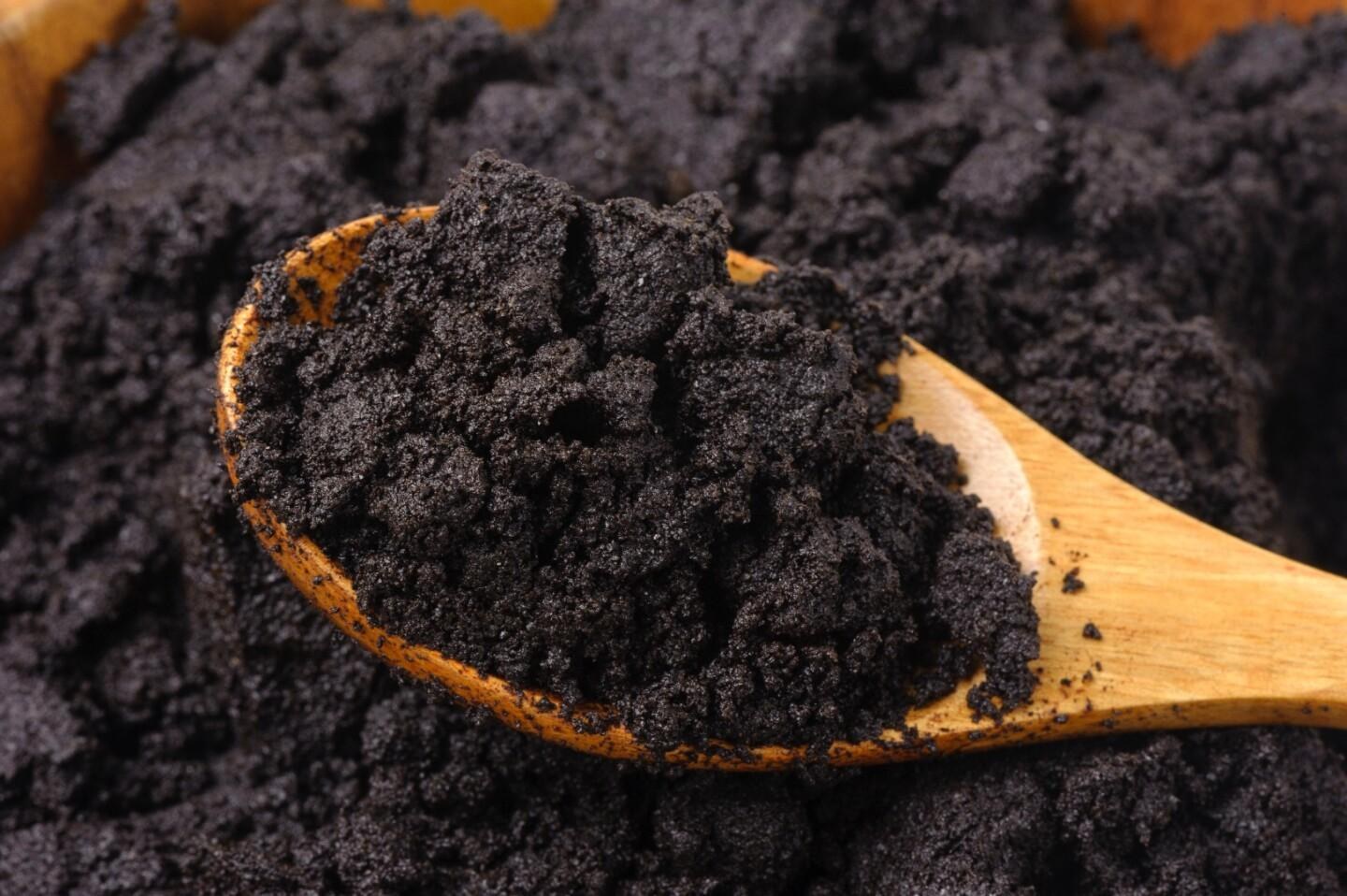




Your morning coffee could have a second life long after the last sip.
Researchers at Universitat Rovira I Virgili in Spain have developed a more efficient method of extracting oil from used coffee grounds.
Instead of treating the leftover material as ordinary waste, the team investigated how its natural fats could be recovered and used as ingredients for biodiesel production. Their study was published in Biomass and Bioenergy in November 2026.
The researchers found that their optimized extraction process recovered approximately 90% of the oil obtained through a conventional laboratory method, while producing oil with fewer impurities. Even more interestingly, the leftover coffee material could still be used for other industrial purposes.
After the oil is removed, the remaining material contains plant-based components that could be processed into products such as bioethanol, organic chemicals and other bio-based materials.
This approach is part of a broader idea called the circular economy, where waste from one process becomes a resource for another. Coffee grounds are produced in enormous quantities around the world, so finding additional uses for them could help reduce waste and create new sources of industrial materials.
It does not mean coffee shops will start powering entire cities tomorrow. The research still needs to be translated into practical industrial applications. But it shows how something millions of people throw away every day could become a surprisingly valuable resource.