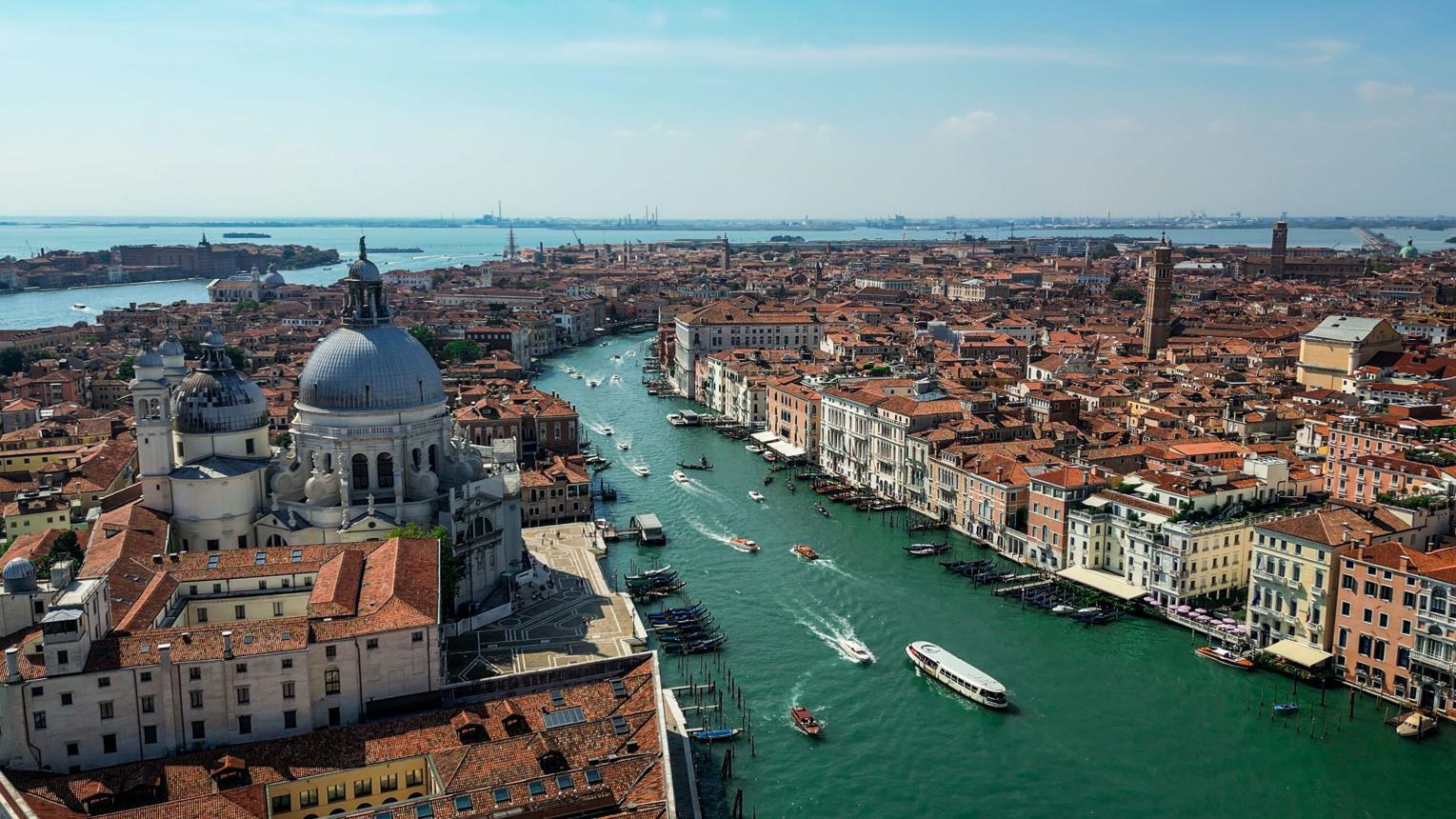


Venice is famous for its canals, gondolas and beautiful historic buildings. But one of the city’s greatest engineering secrets is hidden beneath the water.
Much of historic Venice was constructed on islands within a shallow lagoon. Because the ground was soft and unstable, builders developed a foundation system using thousands of wooden piles driven deep into the ground.
These piles were placed close together beneath building foundations. A timber platform and layers of stone or masonry were then used to support the structures above.
The surprising part is that many of these wooden foundations have survived for centuries.
Wood normally deteriorates when exposed to the conditions that allow fungi and other organisms to break it down. But when timber remains continuously submerged in oxygen-poor, waterlogged ground, the decay process can slow significantly.
This doesn’t mean the wood becomes indestructible. It means the conditions beneath Venice have helped preserve parts of its historic foundations for an extraordinary length of time.
The city itself is a remarkable example of engineering adapted to an unusual environment. Its buildings, bridges and canals were developed around the challenges of living in a lagoon.
And that’s what makes Venice so fascinating: some of its most important architectural features are hidden where visitors cannot normally see them.
Did you know that parts of this famous floating city stand on wooden foundations?