
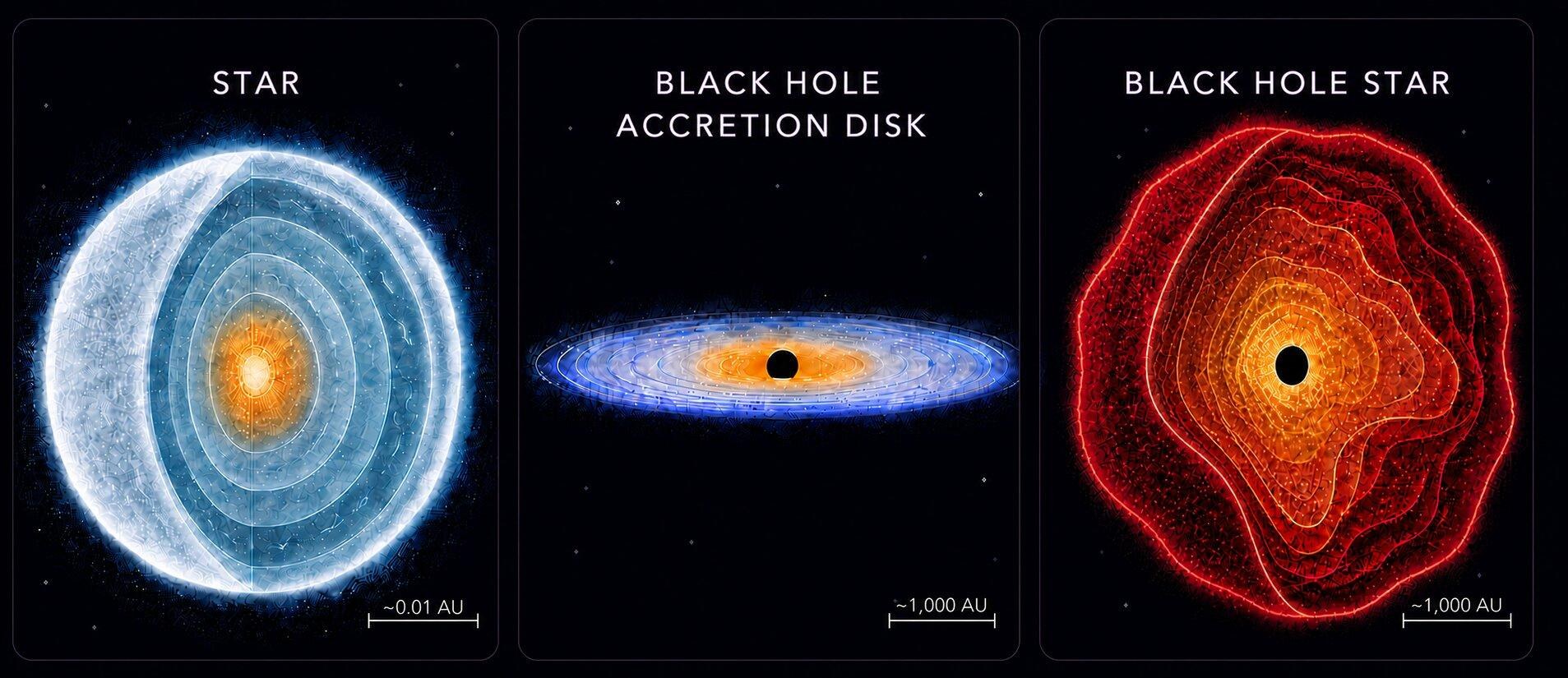
Astronomers studying observations from the James Webb Space Telescope have been investigating mysterious objects nicknamed little red dots.
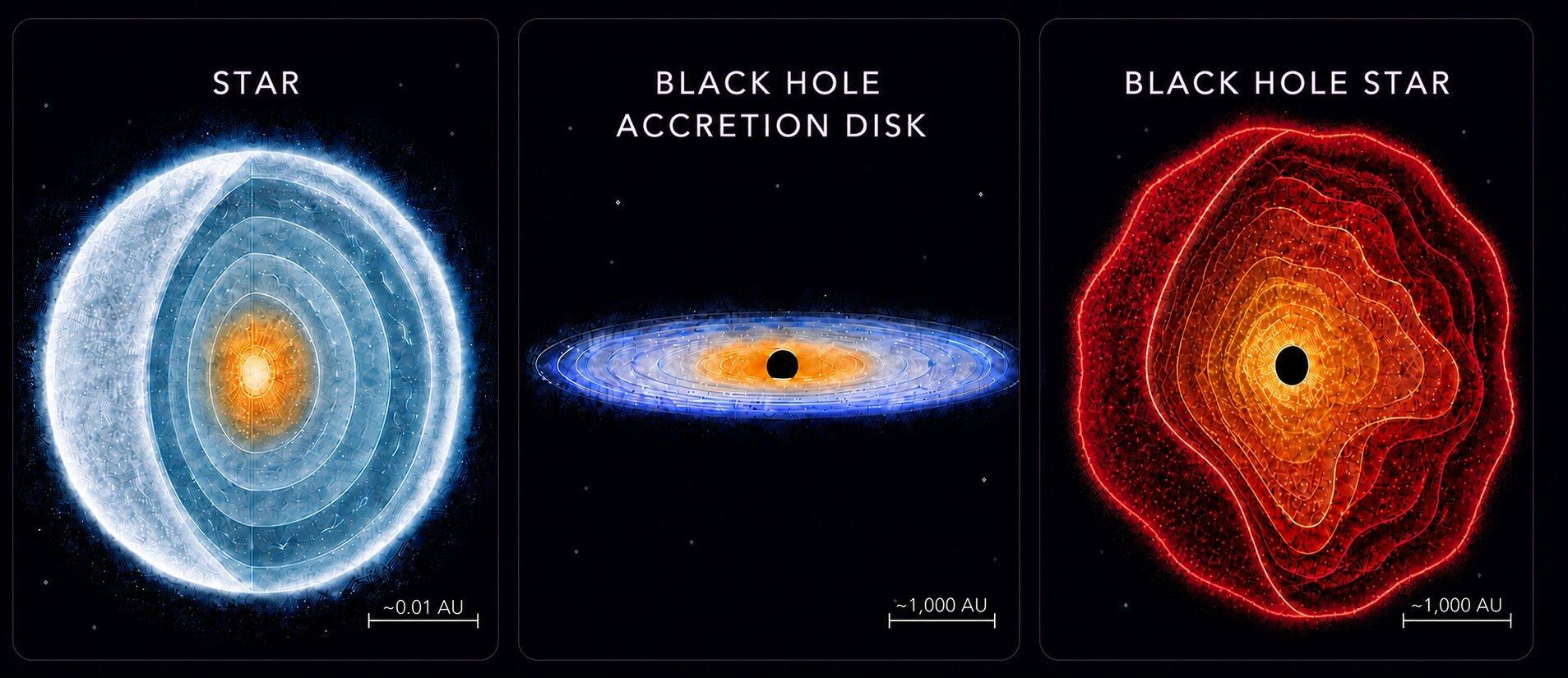
Among the proposed explanations is an extraordinary possibility: some of these objects may be associated with extremely dense, rapidly growing black holes surrounded by unusual gas structures.
One theoretical interpretation describes a possible black hole star, an object in which a central black hole interacts with a massive surrounding envelope of gas.
This is not an ordinary star, and scientists are still debating what these mysterious objects actually are.
The discovery matters because the little red dots appear in the early universe, potentially offering clues about how supermassive black holes formed so quickly after the Big Bang.
If the interpretation holds up, it could help explain one of astronomy's biggest questions: how did enormous black holes appear so early in cosmic history?
DID YOU KNOW? Some of the most mysterious objects captured by the James Webb Space Telescope are so distant that their light has traveled for billions of years before reaching us.