Scientists Finally Found The Orange Cat Gene

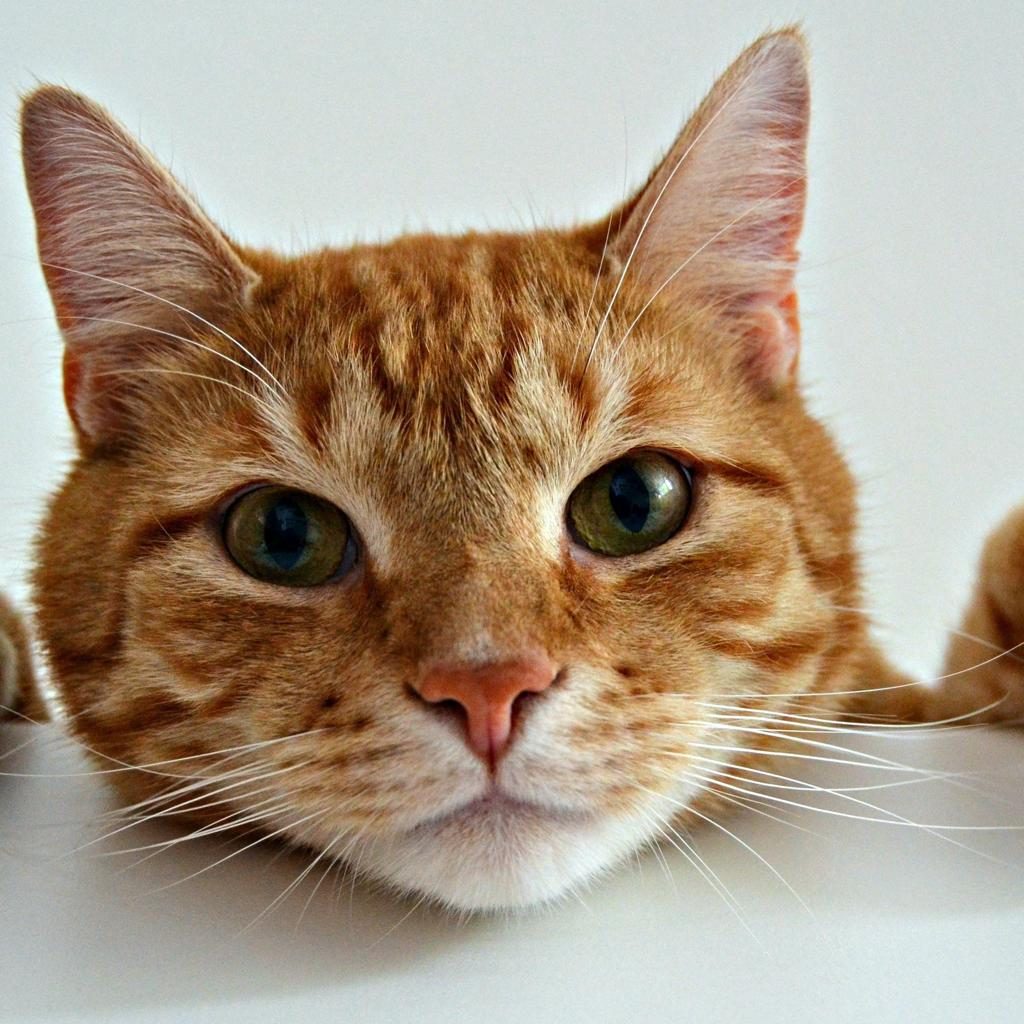
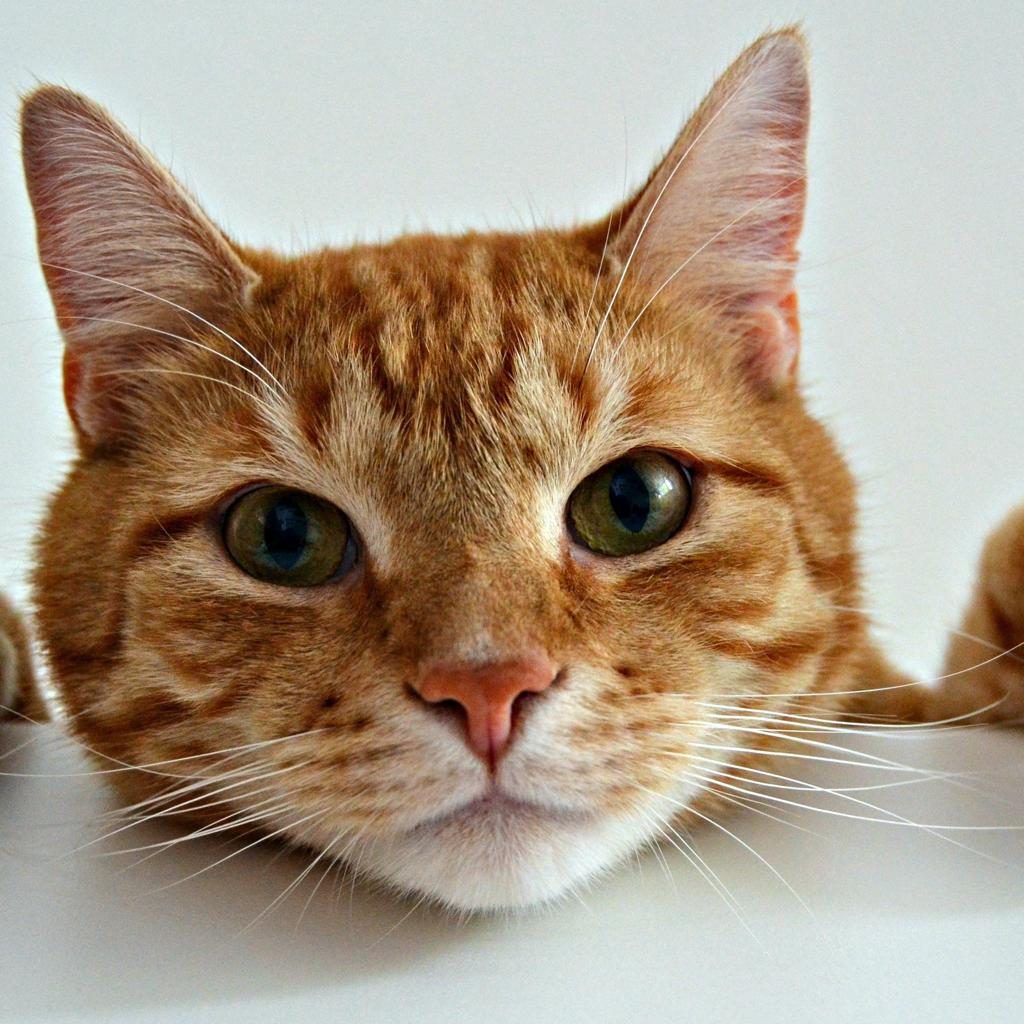
Why are most orange cats male, while calico and tortoiseshell cats are usually female?
Scientists have finally uncovered the genetic explanation behind this famous feline mystery.
In two independent studies published in 2025, researchers identified a small deletion in a gene called ARHGAP36, located on the X chromosome. This genetic change affects pigment production in cats, resulting in orange or reddish-yellow fur.
It also helps explain why female cats can have patches of orange and black fur. Female cats typically have two X chromosomes, and different cells can activate different X chromosomes, creating their distinctive patchwork coloring.
Why this is fascinating: A coat pattern that cat lovers have admired for generations has finally been explained at the molecular level.
Fun fact: Because male cats typically have only one X chromosome, orange coloring is more commonly seen in males, while calico and tortoiseshell patterns are overwhelmingly found in females.
Send to a friend
Make someone's day with a card made from this find.